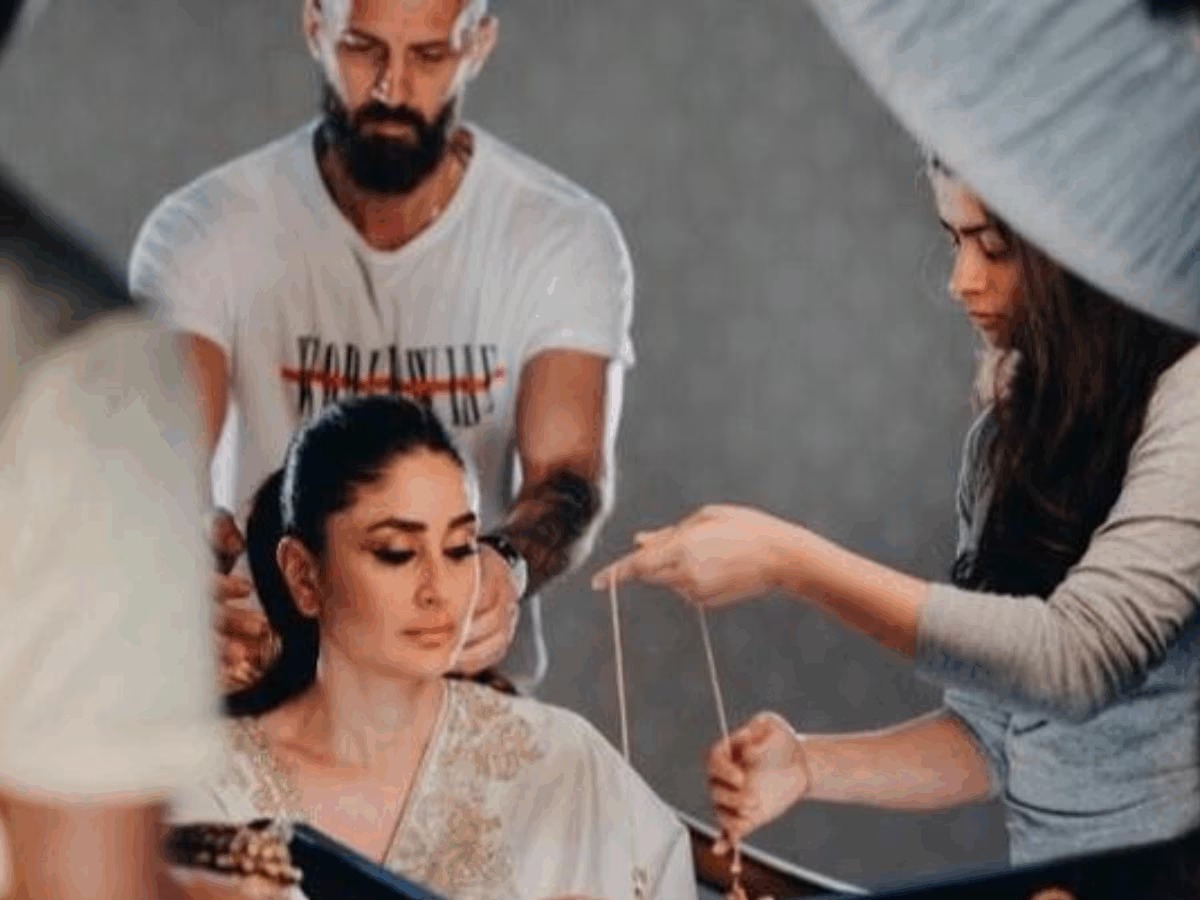
Celebrity hair expert Yianni Tsapatori has warned that washing hair with hot water causes severe dryness and frizz by forcing the cuticle layer to swell. To lock in moisture and achieve glossy, healthy locks, individuals should use lukewarm water for cleansing and conclude with a cold-water rinse to seal the hair shaft.
MUMBAI — High-profile celebrity hair expert Yianni Tsapatori has issued a nationwide advisory to beauty enthusiasts, identifying steaming hot showers as a primary, silent cause of severe hair degradation. Speaking during an interview on actor Soha Ali Khan's digital media channel, the creative professional behind the iconic styles of prominent figures—including Reliance Foundation Chairperson Nita Ambani, businesswoman Isha Ambani, and actor Deepika Padukone—stated that dropping water temperatures during hair cleansing routines is the single easiest way to immediately elevate hair health.
According to Tsapatori, while high-temperature showers offer physical relaxation, the intense thermal exposure actively strips away natural lipid barriers and disrupts the scalp's ecosystem. The expert urged individuals to adjust their behaviors by switching entirely to lukewarm temperatures for cleansing and concluding their routines with a cold-water rinse to protect their hair shaft.
The Trichological Science Behind Water-Induced Structural Damage
The warnings issued by elite stylists are deeply rooted in trichology, the scientific study of the human hair and scalp. Clinical evaluations highlight that hair strands are structurally vulnerable to rapid thermal shifts.
The outermost protective layer of the human hair shaft consists of overlapping, scale-like cells called cuticles. When exposed to hot water, these keratinized scales swell and lift away from the central cortex. This structural opening allows moisture to escape rapidly from within the fiber, rendering the hair highly porous, tangled, and rough.
Furthermore, hair is composed primarily of a resilient protein network known as keratin. Constant exposure to extreme water temperatures weakens the internal hydrogen bonds stabilizing this protein matrix. This thermal stress drastically decreases overall hair elasticity, leaving strands brittle and highly prone to snapping under standard mechanical forces like brushing and towel drying.
Shifting From Hot Showers to a High-Gloss Cleansing Methodology
To reverse cuticle damage and maintain long-term hair gloss, Tsapatori and leading dermatological clinics advocate for a structured, temperature-conscious cleaning sequence.
| Cleansing Phase | Target Water Temperature | Primary Structural Purpose | Expert Technique |
| Scalp Wash | Lukewarm | Emulsifies excess sebum and debris without stripping oils. | Massage gently with fingertips; do not rough-dry lengths. |
| Treatment / Mask | Warm-to-Lukewarm | Maximizes internal absorption of deep conditioning agents. | Apply precisely to mid-lengths and fragile ends. |
| Final Rinse | Cool-to-Cold | Contracts and flattens cuticle scales instantly. | Seals hydration inside the cortex; locks in high gloss. |
Export Practical Instructions
During the industry briefing, Tsapatori emphasized that the execution of the final rinse plays a decisive role in visual hair texture and light reflection.
"According to officials and styling experts, you are not supposed to use very hot water when you are washing your hair," Tsapatori stated during the media session. "Finish with a cold shower or rinse off your conditioner and hair masks with colder water to seal the hair properly."
The hair master added that aggressive friction after a wash severely compromises fragile strands. He warned individuals to completely halt the practice of 'rough drying' with coarse cotton towels, which disrupts the newly smoothed cuticle layer and causes extensive friction frizz.
Why It Matters: Real-World Visual and Structural Implications
For everyday consumers, understanding the direct connection between water temperature and hair health has immediate practical advantages. Individuals frequently spend thousands of rupees on premium glossing serums, specialty shampoos, and salon masks, only to unknowingly neutralize the benefits by rinsing them out with hot water.
Implementing a cold-rinse routine requires zero financial investment yet structurally forces the hair cuticles to lie completely flat. A flat, uniform surface reflects ambient light smoothly, producing a natural, healthy shine that cannot be replicated by synthetic styling oils. Moreover, keeping the cuticle sealed preserves color treatment longevity for individuals who dye their hair, saving consumers substantial upkeep costs over time.
Key Facts at a Glance
The Cuticle Defense Mechanism: Cold water serves as a natural closing agent for lifted hair scales, sealing moisture within the hair shaft and preventing environmental dehydration.
Keratin Bond Preservation: Reducing shower water temperatures prevents the thermal weakening of vital keratin proteins, lowering breakage rates by preserving natural strand elasticity.
Sebum Regulation: While hot water strips away necessary protective oils—triggering the scalp to overproduce grease in compensation—lukewarm water balances natural sebum levels.
Friction Minimization Mandate: Experts state that air drying or gently blotting excess moisture with a microfiber wrap is critical because wet hair is at its weakest structural point.
Frequently Asked Questions (FAQ)
Will using cold water to wash my hair remove oil and product buildup effectively?
No, cold water alone struggles to break down heavy oils and styling products. To achieve an effective cleanse, you should always start your routine with lukewarm water, which helps the shampoo emulsify sebum and rinse away impurities. You should only switch to cold water during the final step when rinsing out your conditioner or hair mask.
Is lukewarm water safe to use, or must the entire hair wash be completely cold?
Lukewarm water is perfectly safe and is highly recommended for the initial washing phases. It provides enough mild heat to open up the hair shaft slightly so that nourishing ingredients from your hair masks can penetrate effectively, without causing the severe moisture loss associated with steaming hot water.
What are the main signs that hot water is actively damaging my hair?
The most common indicators include chronic mid-shaft frizz that persists even after applying leave-in treatments, severe color fading within a short period after a dye session, constant tangling at the ends, and a noticeable lack of natural shine or light reflection when your hair is completely dry.
Sources: National Institutes of Health Central Archive, Aakash Healthcare Dermatology Division