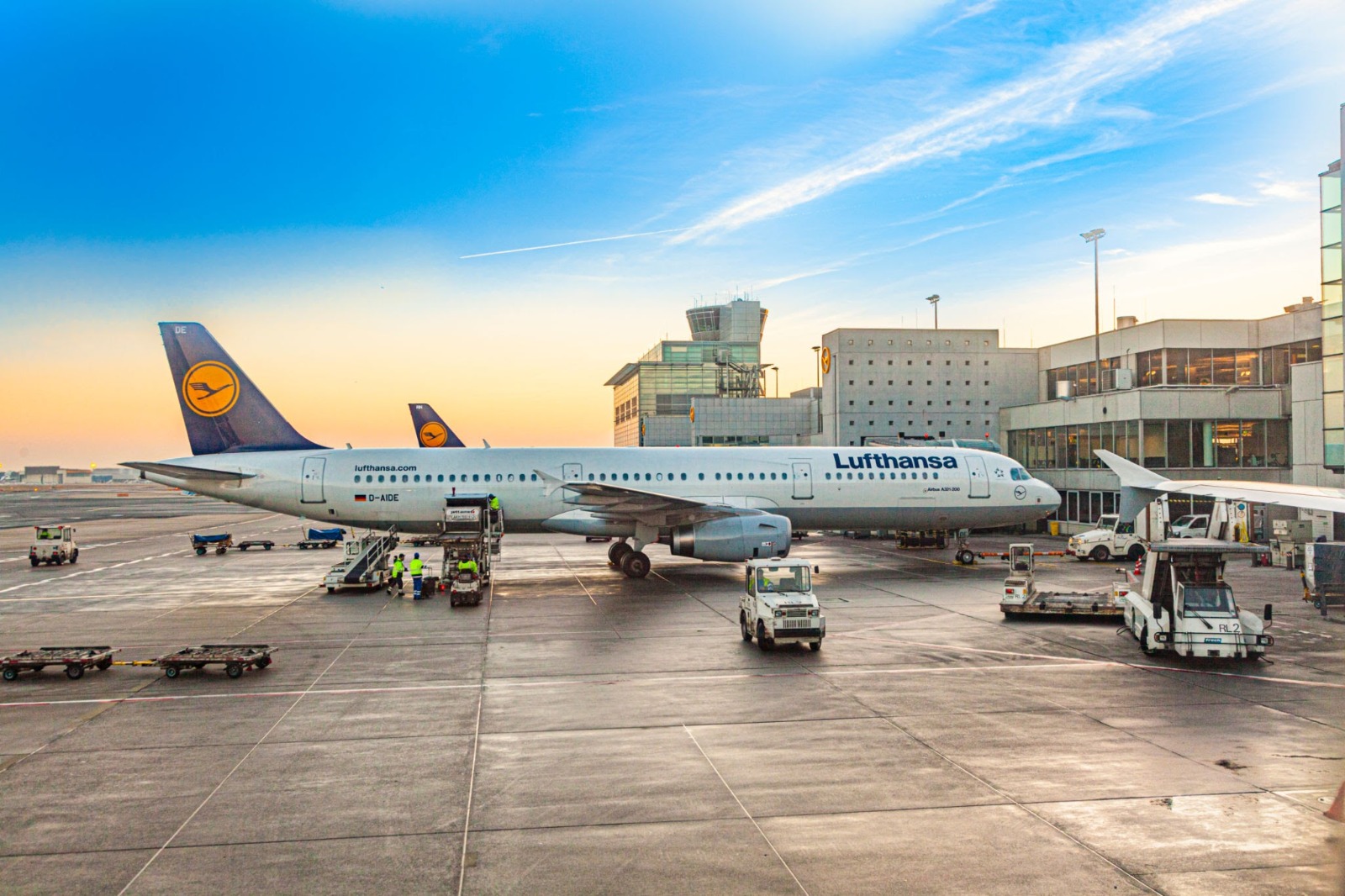
A Lufthansa flight traveling from Frankfurt to Hyderabad became the subject of an intense security sweep at Rajiv Gandhi International Airport following an anonymous bomb threat received via email. Specialized bomb squads isolated and cleared the plane, while cybercrime units launched an investigation to track the digital origin of the message.
A high-level security alert was triggered at Rajiv Gandhi International Airport (RGIA) in Shamshabad on June 13, 2026, after an anonymous email claimed a bomb was placed aboard an incoming Lufthansa passenger flight from Frankfurt, Germany. The electronic threat, sent to airport operators, alleged that an explosive device would detonate before or shortly after the long-haul aircraft touched down in the capital of Telangana.
Aviation security agencies, including the Central Industrial Security Force (CISF) and the Bomb Detection and Disposal Squad (BDDS), were instantly deployed to handle the emergency situation. Upon landing safely in Hyderabad, the aircraft was directed to an isolated parking bay, where specialized anti-terror teams commenced a thorough sweep of the passengers, baggage, and the entire fuselage structure in full compliance with international civil aviation protocols.
Anti-Terror Emergency Protocols Triggered at Shamshabad Airport
The high-priority alert began when airport administrative units received an unverified email asserting that an unattended bomb had been hidden within the cabin layout of the Lufthansa flight. Security protocols dictate that all anonymous communiqués containing specific threats to inbound aircraft are immediately escalated to the Bomb Threat Assessment Committee (BTAC) for risk profiling.
Following the committee's emergency evaluation, the flight was handled under a code red framework. Ground safety controllers, cyber intelligence units, and local airport police cordoned off the designated landing strip zone. Passengers were systemically deplaned and escorted directly to terminal isolation sectors, while sniffer dog units and technical sweeping crews initiated a physical examination of the container cargo holds and passenger seats.
Rise in Coordinated Aviation Hoaxes Disrupts Indian Air Corridors
The anonymous message targeting Lufthansa follows a challenging seasonal spike in malicious aviation hoaxes across Indian airspace. Just 24 hours earlier, on June 12, an domestic flight operated by IndiGo discovered a handwritten threat note in an aircraft lavatory prior to departing Lucknow, forcing an evacuation of the vehicle.
Local police bureaus have highlighted that while the overwhelming majority of these recent digital dispatches turn out to be deliberate hoaxes, security protocols demand exhaustive field assessments for every single event. According to investigators tracking the digital footprints of recent incidents, malicious actors are increasingly turning to virtual private networks (VPNs) and encrypted email relays to send false threats, causing significant scheduling delays and financial losses for major global carriers.
Immediate Action Launched to Trace Anonymous Digital Source
The Rajiv Gandhi International Airport police unit, alongside state cybercrime units, has registered a first information report (FIR) to formally open an investigation into the source of the communication. Engineers are analyzing the electronic mail headers and data routing paths to try to identify the originating network address.
Aviation legal experts point out that individuals found guilty of generating fake bomb threats face severe criminal charges under Indian penal codes and the Suppression of Unlawful Acts against Safety of Civil Aviation Act. Convicted perpetrators risk extensive prison sentences and are placed on dynamic internal airline "no-fly lists" to prevent them from booking future flights.
Official Sources Section
The information detailed in this report is compiled from official security announcements and statements from the following agencies:
Quote Section
"According to officials from the airport police team, emergency teams were immediately sent to secure the terminal perimeter and isolate the incoming aircraft the moment the email alert was verified by the control room."
"Organizers stated that a formal investigation is underway, with cyber forensics actively parsing the metadata of the electronic transmission to trace the identity of the person responsible for creating panic."
Why It Matters
Hoax bomb threats cause direct issues for thousands of passengers through missed connections and prolonged delays, while forcing airlines to absorb steep extra fuel and operational costs. For transit authorities and regional businesses, these disruptions highlight the ongoing need for robust cyber-intelligence systems to intercept digital hoaxes before they can interfere with critical transport links.
Key Facts at a Glance
The Incident: An incoming Lufthansa flight traveling from Frankfurt to Hyderabad became the target of an anonymous bomb threat sent via email.
The Location: Security forces handled the emergency response at Rajiv Gandhi International Airport in Shamshabad.
Response Protocol: The aircraft was sent to an isolated bay where the CISF and the bomb squad performed full electronic and physical sweeps.
Legal Action: Cybercrime teams are analyzing the email headers to pinpoint the digital trail of the sender.
Frequently Asked Questions
Did the Lufthansa flight land safely in Hyderabad?
Yes. The aircraft completed its planned trip from Germany and was safely taxied to a secure, isolated section of the airport tarmac away from the main passenger terminals for inspection.
What happens to passengers when a flight receives a bomb threat?
Under standard international safety guidelines, passengers are quickly deboarded into a secure zone while their hand luggage and checked bags undergo secondary X-ray screening and manual verification.
What are the consequences for sending a fake bomb threat?
Perpetrators face serious criminal prosecution under anti-terror and civil aviation safety laws, which carry lengthy prison sentences, heavy financial fines, and long-term travel bans.
Source: Cyberabad Metropolitan Police, Directorate General of Civil Aviation (DGCA) India, and regional aviation security logs compiled by ANI.