The Assam Cabinet has restricted standard first-time identity card issuance for individuals over 18 to curb illegal immigration. Adult applicants must now undergo strict background checks by District Commissioners, requiring state-level approval. Special exemptions for Scheduled Tribes, Scheduled Castes, and tea garden communities will remain active until March 2027.
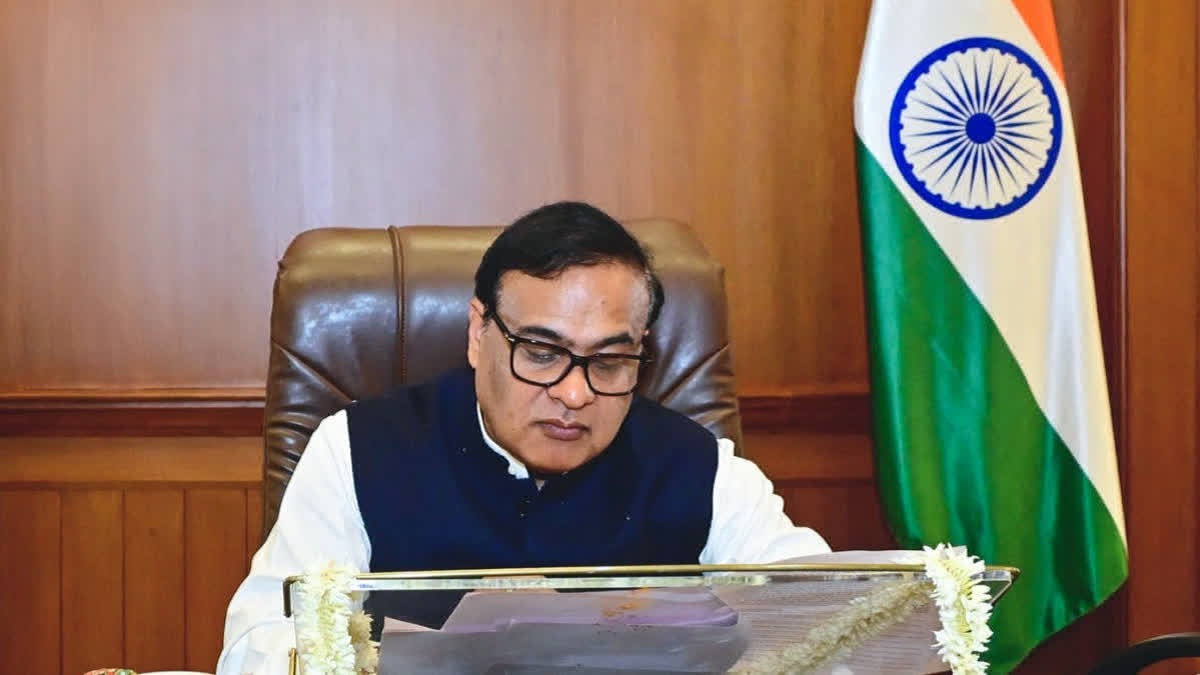
GUWAHATI, India — The Assam Cabinet has officially decided to restrict the first-time issuance of unique identity cards to individuals above the age of 18. Announcing the regulatory shift following a state cabinet meeting in the capital city on Saturday, June 13, 2026, Chief Minister Himanta Biswa Sarma declared that adult identity processing would move away from automatic generation. The policy directive aims to tighten security frameworks and prevent illegal immigrants from exploiting the administrative registration infrastructure to falsify residency inside the northeastern border state.
The administrative mandate marks an unprecedented shift in regional documentation management, directly affecting adult residents who have never previously registered under the central identity network. By eliminating routine adult enrolment centers, the state administration intends to implement a rigorous, decentralized verification filter that subjects any late-stage adult applicant to stringent executive scrutiny.
Enhanced Verification Measures Set to Replace Regular Enrolment
Under the newly approved policy framework, the state will permanently dissolve regular, over-the-counter adult identity registrations following a brief temporary window. While children and minors under 18 years of age will continue to receive their individual registrations seamlessly through existing institutional networks, any adult resident seeking an identity card for the first time will face an exhaustive background screening process.
According to state administrative briefs, first-time adult applicants will be legally required to submit a comprehensive dossier directly to their respective local administrative heads. The District Commissioners will act as the primary screening authority, conducting exhaustive field inquiries to establish lineage, local land tenancy, or long-term community presence.
Only after a District Commissioner formally registers a clear background verification will the application packet be forwarded up to the state executive branch. The final authorization to issue the identity documents will lie solely with the state government, limiting approvals to exceptional, fully verified instances.
The decision comes as state statistical registers indicate that identity card issuance across Assam has hit natural saturation thresholds. In several border districts, total registration numbers have mathematically crossed 100 percent of the projected census baseline, indicating a significant volume of dual or unverified registrations that the executive branch now intends to audit and freeze.
Phased Deadlines and Marginalized Community Exemptions
Recognizing that structural barriers may have delayed registrations among historically marginalized socio-economic groups, the Cabinet has built specific transitional provisions into the legal order. Members belonging to Scheduled Castes (SC), Scheduled Tribes (ST), and the local tea garden communities will remain exempt from the immediate adult freeze.
According to the state order, these specific demographics retain permission to use standard registration channels to secure their primary identification numbers. However, this administrative leniency operates on a fixed timeline. The specialized exemptions for the tea garden workforce and tribal populations are scheduled to terminate permanently on March 31, 2027. Following that date, the absolute restriction on adult identity registration will uniformly apply to every resident across the territory, regardless of community background.
For the general populace, the administration intends to provide a final, highly condensed one-month application window spanning from September 1 to September 30 to absorb any remaining genuine adult residents who have simply missed past registration drives before the zero-tolerance screening protocols take permanent effect.
Impact on Citizens, Trade, and Border Security
The administrative shift is projected to have significant ripple effects on local commerce, cross-border mobility, and daily banking. Because identity cards are functionally mandated across India to open personal savings accounts, secure mobile connectivity, and register for state agricultural subsidies, individuals without existing documentation will face prolonged timelines to access public infrastructure.
Legal experts note that while the central issuing authority—the Unique Identification Authority of India—technically permits universal, life-long identity enrolment under central statutory provisions, national security imperatives allow border states to exercise localized policing over state-level verification logs. For business owners and construction firms in Assam that frequently employ migratory seasonal workforces, the implementation of these stringent rules means that verification of labor identities will face stricter legal oversight.
The political opposition has raised measured concerns over potential bureaucratic delays creating systemic blockages for genuine, rural poor residents who lack extensive ancestral paper trails. Conversely, investor networks and regional analysts view the policy as a stabilizing step toward securing local digital demography, providing a structured approach to mapping legitimate financial consumers across the state's expanding market footprint.
Official Sources Section
The components, timelines, and policy scopes detailed within this report conform directly to official government announcements and data registries:
Quote Section
"The Assam cabinet has decided not to provide identity cards to any person above 18 years through standard channels... Scheduled Tribes, Scheduled Castes, and tea garden people will retain standard access until March 2027," stated Chief Minister Himanta Biswa Sarma during the media briefing in Guwahati.
"According to officials from the Chief Minister's office, the move is a vital operational safeguard to ensure the absolute integrity of local identification registries and to systematically eliminate loopholes previously manipulated by cross-border entities."
Why It Matters
The implementation of targeted identity freezes represents a major milestone in how state governments handle national security and regional demography. By moving from an open-enrollment philosophy to an authorization-only framework for adults, Assam is establishing a unique legal precedent. This decision balances public benefit programs against national security priorities, fundamentally altering how citizen documentation will be vetted in sensitive border zones moving forward.
Key Facts at a Glance
Adult Enrolment Restricted: First-time adult identity card issuance through standard channels is stopped for individuals over 18 years of age.
Dual-Tier Approval Process: New adult applications require a mandatory investigation by District Commissioners and final authorization from the state government.
Transitional Grace Period: A final one-month registration window will be provided for general adult applicants throughout September.
Socio-Economic Exemptions: Scheduled Tribes, Scheduled Castes, and tea garden communities are granted an extended registration window until March 31, 2027.
Primary Policy Goal: The strict measure is explicitly designed to prevent illegal immigrants from obtaining verified state identification documents.
Frequently Asked Questions
Does this new policy affect existing identity card holders in Assam?
No. The Cabinet decision applies strictly to individuals above 18 years of age who are trying to apply for an identity card for the very first time. Existing cards remain fully valid and unaffected.
Can an adult still get a new card if they have a genuine reason for delay?
Yes, but the process will no longer be automatic. Applicants must submit their case through the District Commissioner’s office, undergoing strict background verification before the state government reviews it for final approval.
Will children under the age of 18 face these strict verification rules?
No. The new restrictions target adult registrations exclusively. Minor compliance and child identity enrolments will continue to function normally through standard local centers.
When do the exemptions for the tribal and tea garden communities expire?
Members of Scheduled Castes, Scheduled Tribes, and the tea garden communities can apply via standard procedures until March 31, 2027, after which they will also be subject to the universal restriction.
Source: Government of Assam, Unique Identification Authority of India, State Cabinet Media Registry.