India’s largest airline, IndiGo, is making headlines with a dual-pronged strategy aimed at boosting operational efficiency and expanding international connectivity. The carrier has successfully negotiated with oil marketing firms to reduce fuel expenses and simultaneously announced the exte...
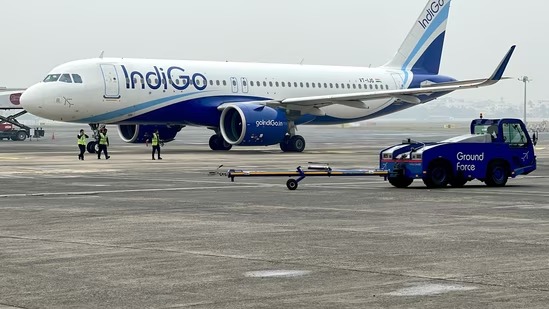
India’s largest airline, IndiGo, is making headlines with a dual-pronged strategy aimed at boosting operational efficiency and expanding international connectivity. The carrier has successfully negotiated with oil marketing firms to reduce fuel expenses and simultaneously announced the extension of its codeshare agreement with Dutch airline KLM. These developments come at a time when IndiGo is navigating a challenging cost environment and intensifying global competition.
Key Highlights from the Latest Developments:
- IndiGo’s fuel expenses dropped in part due to negotiations with oil marketing companies
- Codeshare agreement with KLM extended to include more European destinations
- Strategic moves aimed at offsetting rising operational costs and expanding global footprint
- IndiGo continues to recover from aircraft groundings and high maintenance costs
Fuel Cost Optimization and Operational Efficiency:
- IndiGo executives confirmed that recent negotiations with oil marketing firms have contributed to a reduction in fuel expenses, which had previously surged by 12.8 percent year-on-year to ₹6,605 crore.
- The airline faced mounting pressure from increased VAT on aviation turbine fuel in several states and congestion at major airports like Delhi and Mumbai.
- By leveraging its scale and long-term relationships, IndiGo secured more favorable fuel pricing, helping to partially offset the impact of grounded aircraft and lease-related costs.
- The airline’s CFO noted that while fuel costs remain elevated, the downward trend is expected to continue into the next quarter, improving overall margins.
Codeshare Expansion with KLM and Global Connectivity:
- IndiGo has extended its existing codeshare agreement with KLM Royal Dutch Airlines, allowing passengers to access more European destinations via Amsterdam.
- The expanded partnership will include cities such as Copenhagen, Oslo, and Stockholm, enhancing IndiGo’s reach into Northern Europe.
- This move aligns with IndiGo’s broader international strategy, which aims to increase its share of international capacity to 30 percent by the end of FY26.
- The airline currently operates flights to 37 international destinations and plans to add three more by year-end, including routes to Central Asia and Eastern Europe.
Market Position and Strategic Outlook:
- IndiGo remains India’s largest airline by market share, holding over 62 percent of the domestic passenger segment.
- Despite recent losses driven by fuel and maintenance costs, the airline’s topline grew 14.6 percent year-on-year, signaling resilience and recovery.
- The codeshare extension with KLM is expected to boost international passenger volumes and improve load factors on long-haul routes.
- IndiGo is also investing in premium offerings, including business class on select domestic routes, to diversify its revenue streams.
Leadership Commentary and Future Plans:
- CEO Pieter Elbers emphasized the importance of strategic partnerships and cost control in maintaining competitiveness.
- He acknowledged infrastructure challenges at key airports but expressed confidence in IndiGo’s ability to scale operations efficiently.
- The airline is working closely with engine manufacturers to resolve grounding issues and expects fleet availability to improve significantly by early next year.
- IndiGo’s long-term vision includes becoming a full-service carrier with a strong international presence, supported by digital innovation and customer-centric services.
Conclusion:
IndiGo’s latest moves—cutting fuel costs through strategic negotiations and expanding its global reach via KLM—underscore its commitment to operational excellence and international growth. As the airline navigates a complex cost environment and evolving market dynamics, these initiatives position it well for sustained recovery and expansion in FY26.
Sources: Business Standard, AirInsight, Gulf News, Financial Express, The Telegraph India