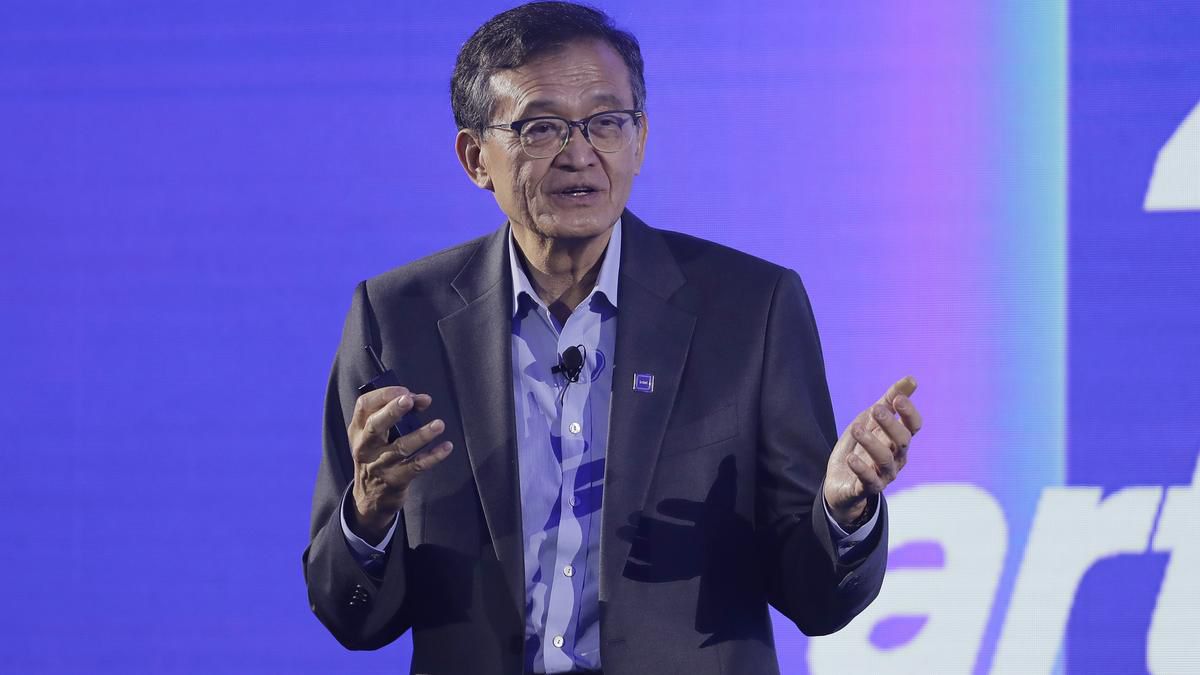
Intel Corporation’s Chief Executive Officer, Lip-Bu Tan, is scheduled to meet with former President Donald Trump at the White House on Monday, August 11, 2025, for a critical discussion that comes just days after Trump publicly called for Tan’s resignation. This high-stakes meeting hi...
Intel Corporation’s Chief Executive Officer, Lip-Bu Tan, is scheduled to meet with former President Donald Trump at the White House on Monday, August 11, 2025, for a critical discussion that comes just days after Trump publicly called for Tan’s resignation. This high-stakes meeting highlights Intel’s precarious position as it attempts a turnaround and faces political scrutiny over the CEO’s business ties to China.
Key Highlights: Context and Purpose of the Meeting
President Trump recently posted on Truth Social demanding the immediate resignation of Tan, citing conflicts of interest tied to Tan’s previous investments in Chinese companies via his venture capital firm Walden International. Trump stated the CEO was “highly conflicted” and urged a change in leadership to safeguard U.S. national security and economic interests.
Despite this public rebuke, Tan is set to use the White House meeting to present his personal and professional background directly to Trump, aiming to clarify misperceptions and affirm his alignment with U.S. national interests.
Tan intends to emphasize Intel’s strategic importance in domestic semiconductor manufacturing and national security, proposing ways Intel and the U.S. government could collaborate more closely to strengthen America’s chip-making capabilities.
Intel’s Corporate Challenges and Strategic Imperatives
Intel is currently under pressure as it lags behind competitors like TSMC and Samsung in the rapidly evolving semiconductor and AI chip market.
Tan, who took over as CEO earlier this year after the ouster of Patrick Gelsinger, has initiated workforce reductions of around 22% to cut costs and steer the company back to competitiveness.
Reports indicate Tan may consider halting the development of Intel's next-generation 14A process node unless a significant external customer is found soon, raising concerns about the company’s long-term technological leadership.
The White House meeting is crucial for Intel to secure political and regulatory support, including leveraging subsidies such as the $8 billion allocated for U.S. chip factory construction, and navigating tariffs like the 100% levy on imported chips announced by Trump.
Political Dynamics and Industry Implications
The unusual public demand for Tan’s resignation by Trump—an act sparking widespread debate—has led Intel’s board and CEO to respond with statements reaffirming their commitment to national security and the America First agenda.
This meeting also occurs amid heightened U.S.-China tensions and increased scrutiny of technology leaders’ foreign business involvements.
Tan’s ability to navigate this political landscape will impact Intel’s potential to regain technological leadership, maintain investor confidence, and contribute to U.S. economic and security priorities.
Outlook and Expectations
Intel’s CEO is expected to employ a three-pronged approach favored by Trump in the past: flattery, offering significant investment commitments, and possibly symbolic gestures to gain favor.
If successful, the meeting could pave the way for intensified cooperation between Intel and the U.S. government in semiconductor manufacturing, research, and export controls.
Failure to assuage political concerns might further jeopardize Tan’s tenure and Intel’s efforts to reclaim its position as a global chip manufacturing powerhouse.
In summary, the White House meeting between Intel CEO Lip-Bu Tan and former President Donald Trump signifies a pivotal moment for Intel as it grapples with internal challenges and external political scrutiny. The outcome may shape Intel’s strategic trajectory and the broader future of U.S. semiconductor leadership.
Sources: The Wall Street Journal, CBS4Local, PC Gamer