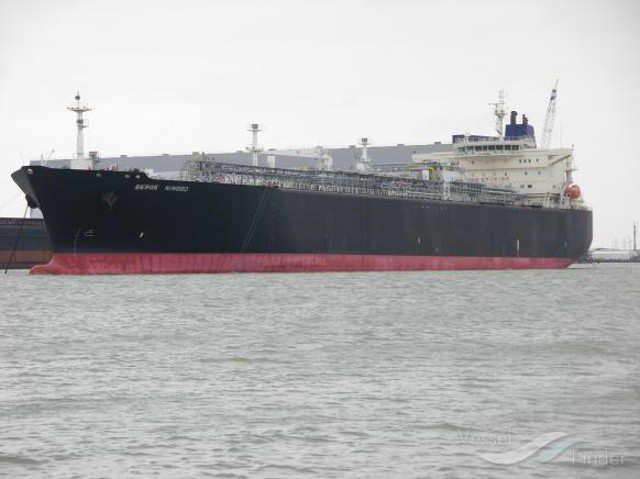
Indian Oil Corporation Limited (IOCL) has floated a global tender to charter a Very Large Gas Carrier (VLGC) to transport Liquefied Petroleum Gas (LPG) from Qatar, Kuwait, and the UAE. This strategic move aims to insulate India’s energy supply from shipping volatility and secure cost-effective cooking gas imports.
NEW DELHI — In a strategic move to fortify its domestic energy supply chain, India’s largest state-run oil refiner, Indian Oil Corporation Limited (IOCL), has officially issued a global tender to charter a Very Large Gas Carrier (VLGC). According to official tender documents released on June 18, 2026, the maritime contract focuses on securing a massive dedicated vessel to transport Liquefied Petroleum Gas (LPG) from critical supply hubs across the Middle East—specifically loading from major export ports in Qatar, Kuwait, and the United Arab Emirates (UAE).
The floating of this charter tender comes at a vital time as India continues to witness an unprecedented surge in domestic household LPG demand. By seeking a long-term or dedicated time-charter arrangement for a high-capacity gas carrier, Indian Oil aims to bypass volatile spot-market shipping rates and insulate consumers from supply-chain disruptions.
Strategic Shift Towards Freight Cost Optimization
Focus on Middle Eastern Energy Corridors
The official document indicates that the chartered VLGC will be deployed primarily within the Persian Gulf trade corridor. The vessel will interface directly with major regional state energy suppliers, handling massive bulk liftings from loading terminals controlled by QatarEnergy, Kuwait Petroleum Corporation (KPC), and the Abu Dhabi National Oil Company (ADNOC) in the UAE.
Historically, India relies on the Middle East for over 60% of its total LPG import requirements. By placing a specialized VLGC under dedicated charter, IOCL optimizes its turnaround times between the Western coast of India and Gulf loading terminals, ensuring a seamless flow of pressurized gas to its widespread network of bottling plants.
Impact on Domestic Markets and Investors
For Indian consumers and businesses, this infrastructure play signals a push for stable retail pricing. LPG is heavily subsidized and monitored by the government under social welfare initiatives like the Pradhan Mantri Ujjwala Yojana. Volatile shipping costs frequently impact the fiscal burden on the state and the operational margins of oil marketing companies.
From an investor's perspective, this tender minimizes risk. Energy analysts note that securing fixed-rate long-term freight options allows Indian Oil to report more predictable operational expenditures within its marketing segment. Furthermore, the tender provides a lucrative, high-stakes opportunity for Indian and international shipping lines, including major players like the Shipping Corporation of India or global gas fleet operators, to secure a multi-month or multi-year guaranteed revenue stream.
Official Sources Section
Operational guidelines and procurement criteria for this vessel acquisition have been formally mapped through the Indian Oil Corporation eProcurement portal. The bidding process is structured transparently under two-bid commercial systems, complying with standard international maritime safety and security protocols.
Quote Section
"According to officials familiar with the development, securing massive freight capacity ahead of peak seasonal demand changes helps stabilize landing costs. Dedicated vessel chartering provides the company with significant logistical flexibility, ensuring that our domestic supply obligations remain insulated from snap disruptions in global commercial shipping channels."
Why It Matters
The implementation of this tender has direct real-world implications for macro-economics and energy security:
Price Insulation: Safeguards domestic LPG retail prices from spikes driven by spot-market tanker shortages.
Supply Security: Provides a guaranteed transport pipeline for a fuel critical to hundreds of millions of Indian kitchens.
Sovereign Advantage: Exercises the statutory 'Right of First Refusal' for domestic ship owners, stimulating the local maritime sector under federal mandates overseen by the Ministry of Petroleum and Natural Gas.
Key Facts at a Glance
Issuer: Indian Oil Corporation Limited (IOCL), India's premier state-owned oil marketing enterprise.
Vessel Class Required: Very Large Gas Carrier (VLGC), typical capacity ranging between 75,000 to 85,000 cubic meters.
Geographic Scope: Loading terminals across Qatar, Kuwait, and the United Arab Emirates (UAE); discharging at major Indian ports.
Regulatory Alignment: Structured under guidelines approved by the Directorate General of Shipping (DG Shipping), India.
FAQ Section
What is a VLGC and why is it used for LPG?
A Very Large Gas Carrier (VLGC) is a specialized maritime vessel designed to transport fully refrigerated liquefied gases at scale. They are chosen because they offer the maximum economy of scale for long-distance transport, drastically reducing the per-ton freight cost of LPG.
How does this tender affect everyday retail gas consumers?
By fixing freight costs via a dedicated charter, Indian Oil reduces its exposure to volatile daily shipping rates. This optimization directly supports price stabilization for household and commercial cooking gas cylinders across the country.
Can foreign shipping lines participate in this Indian Oil tender?
Yes, the tender is open to international vessel owners and global brokers. However, under Indian maritime law, qualified domestic shipowners retain the 'Right of First Refusal' if they can match the lowest technically acceptable foreign bid (L1).
Source: Indian Oil Corporation eProcurement Tender Archives, Ministry of Petroleum & Natural Gas Regulatory Frameworks.