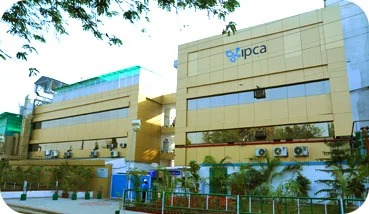
Ipca Laboratories has finalized the merger of Krebs Biochemicals & Industries Limited, effective April 1, 2026. The deal, involving a share swap ratio of 7:200, integrates Krebs' fermentation-based API manufacturing into Ipca’s operations. This strategic consolidation aims to secure supply chains, boost R&D, and achieve long-term operational synergies for the company.
MUMBAI — Ipca Laboratories Limited has officially approved a scheme of amalgamation to merge Krebs Biochemicals & Industries Limited into its operations. The consolidation, aimed at securing a stable supply of fermentation-based Active Pharmaceutical Ingredients (APIs) and achieving significant operational synergies, marks a pivotal shift in Ipca’s strategic manufacturing roadmap.
According to regulatory disclosures, the merger scheme became effective on April 1, 2026. The deal is structured as a share exchange, with Ipca Laboratories offering 7 equity shares for every 200 shares held by Krebs Biochemicals shareholders, with no cash consideration involved in the transaction.
Strengthening the API Value Chain
The integration is designed to bolster Ipca Laboratories’ R&D and manufacturing pipeline by absorbing Krebs Biochemicals’ specialized expertise in bio-fermentation and chemical synthesis. Krebs, which operates two key manufacturing facilities in the Visakhapatnam and Nellore districts of Andhra Pradesh, has long served as a strategic subsidiary for Ipca.
By bringing Krebs’ infrastructure in-house, Ipca expects to accelerate its time-to-market for complex generic APIs. The move is particularly significant as Ipca continues to expand its presence in worldwide markets, reducing dependency on third-party suppliers for critical intermediates and leveraging Krebs’ fermentation platform to drive long-term margin improvements.
Impact on Shareholding Structure
The amalgamation will result in a realignment of Ipca Laboratories’ equity base. Post-merger, the total number of outstanding shares for Ipca is set to increase from 253,704,218 to 254,084,157. While the promoter group holding will shift slightly to 44.66%, the public shareholding is expected to rise to 55.34%, reflecting the issuance of new shares to the former public shareholders of Krebs Biochemicals.
Official Sources
Ipca Laboratories formally notified the stock exchanges of the board's approval and the subsequent scheme of amalgamation. The company has adhered to all regulatory requirements under the Companies Act and SEBI guidelines, ensuring that the integration process is transparent for both sets of investors.
"According to officials, the merger is a strategic move to secure internal supply chains for high-value intermediates, allowing Ipca Laboratories to optimize its R&D and manufacturing capabilities through the assimilation of Krebs Biochemicals’ fermentation-based infrastructure."
Why It Matters
For Ipca Laboratories, the merger serves as a hedge against global supply chain volatility, particularly in the sourcing of fermentation-based APIs. By consolidating Krebs' operations, Ipca gains direct control over a manufacturing footprint previously plagued by operational and environmental hurdles, aiming to revitalize these assets through its established technical and financial oversight.
Key Facts at a Glance
Merger Effective Date: April 1, 2026.
Swap Ratio: 7 Ipca Laboratories shares for every 200 Krebs Biochemicals shares.
Strategic Rationale: Securing fermentation-based API supply and achieving cost synergies.
Financial Impact: Ipca’s total share count increases to 254,084,157.
Facility Integration: Absorbs two US FDA-compliant manufacturing units from Krebs.
Frequently Asked Questions (FAQ)
1. Why is Ipca Laboratories merging with Krebs Biochemicals?
The merger is intended to integrate Krebs' fermentation-based API manufacturing capabilities directly into Ipca’s supply chain, reducing reliance on third-party suppliers and enhancing operational efficiency.
2. What is the share swap ratio for the merger?
Shareholders of Krebs Biochemicals & Industries Limited will receive 7 equity shares of Ipca Laboratories for every 200 shares they hold in Krebs.
3. Does the merger involve any cash payment?
No, the amalgamation is a non-cash transaction structured entirely through a share exchange ratio.
4. How will this affect current shareholders?
Existing shareholders of Ipca Laboratories will see a marginal dilution in their shareholding as the total number of outstanding shares increases due to the issuance of new shares to Krebs' shareholders.
Source: Ipca Laboratories Regulatory Filings (NSE), ScanX Financial News, Krebs Biochemicals Corporate Disclosures