Iranian Oil Minister Mohsen Paknejad met Indian counterpart Hardeep Singh Puri at the BRICS Energy Meeting in Gurugram to discuss reviving bilateral crude trade and upgrading Chabahar Port infrastructure. Supported by a 60-day sanctions exemption, Tehran aims to tap into Indian refining networks using its 68-million-barrel reserve stockpile.
Oil Minister Mohsen Paknejad meets Indian counterpart Hardeep Singh Puri to explore crude trade resumption and maritime logistics corridor expansions.
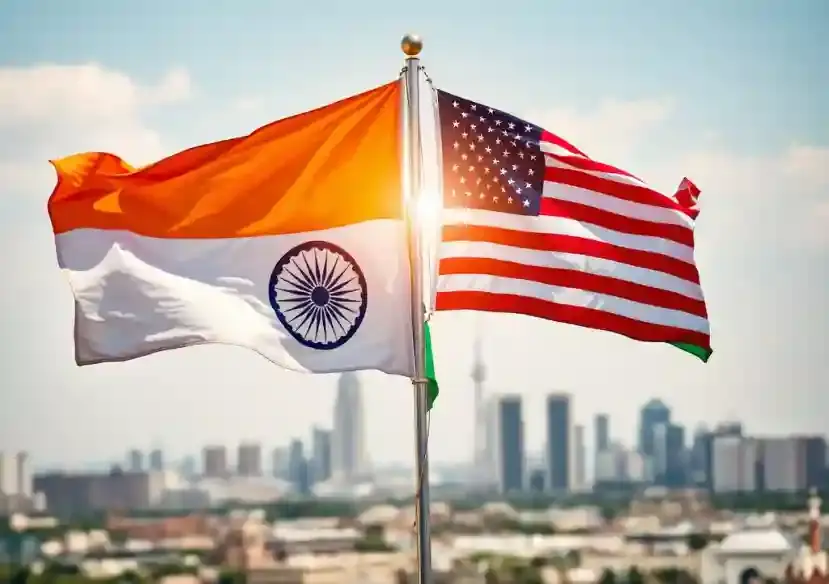
GURUGRAM — Iranian Oil Minister Mohsen Paknejad met with India's Minister of Petroleum and Natural Gas, Hardeep Singh Puri, on June 25, 2026, to discuss the normalization of bilateral energy cooperation and strategic trade corridors. The high-level bilateral talks took place on the sidelines of the 11th BRICS Energy Ministers' Meeting in Gurugram, India.
The strategic session is highly critical for global commodity markets today, as Tehran seeks to restore its historical crude oil export volumes to South Asian refiners following a temporary 60-day Office of Foreign Assets Control (OFAC) general license issued under the recent Bürgenstock agreements.
Exploring Crude Oil Trade Resumption and Refining Synergy
According to official updates published by the Iranian oil ministry's news service, SHANA, the ministerial interaction focused primarily on reviving direct hydrocarbon procurement frameworks between the two emerging economies. Before the tightening of international banking restrictions in 2019, India operated as Iran’s second-largest crude customer globally, importing a baseline volume of approximately 620,000 barrels per day (bpd), which accounted for roughly 11.5% of New Delhi's total crude oil imports.
During the meeting, Minister Paknejad highlighted that the National Iranian Oil Company (NIOC) has initiated preliminary outreach cycles with major public and private Indian refiners. Industry tracking logs reveal that Iran currently maintains a floating and onshore inventory of roughly 68 million barrels of crude and condensate available for immediate delivery.
Indian refining representatives expressed structural interest in resuming these trade connections due to the favorable freight economics associated with short Persian Gulf shipping routes and the compatibility of domestic processing complexes with heavy Iranian crude grades.
Chabahar Port Modernization and Transit Connectivity
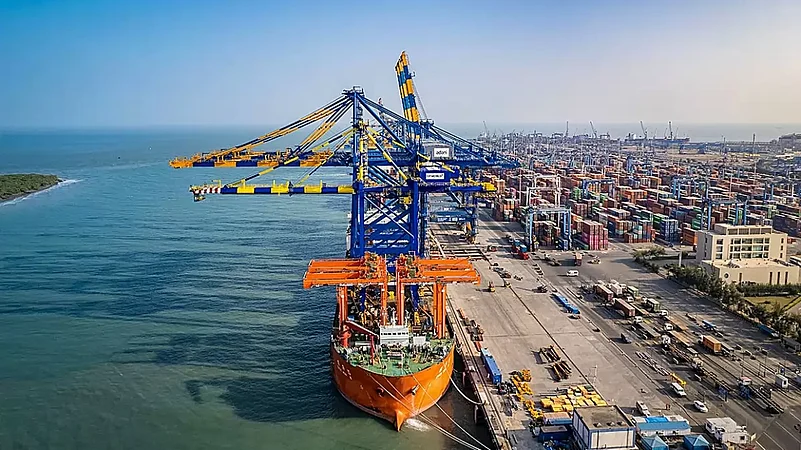
Beyond direct crude oil allocations, the two energy ministers assessed the construction status and multimodal connectivity pipelines linking back to the Chabahar Port complex located on Iran's southern coast. The maritime facility is central to India's regional trade security framework, functioning as a transit node that completely bypasses land routes through Pakistan to link Indian manufacturers to Central Asian and European markets.
The technical discussions reviewed the integration of regional fuel terminals, bunkering complexes, and petrochemical storage points surrounding the specialized free trade zone. By expanding energy infrastructure inside Chabahar, India aims to strengthen the operational capacity of the International North-South Transport Corridor (INSTC), providing a secure logistical hedge against naval shipping bottlenecks within traditional maritime transit lanes.
Geopolitical Alignment Within the Expanded BRICS Framework
The bilateral meeting aligns directly with broader economic shifts occurring across the newly expanded 11-nation BRICS alliance. Operating under the 2026 organizational theme "Building for Resilience, Innovation, Cooperation, and Sustainability," the bloc is actively promoting regional currency payment clearings and sovereign supply chain networks to reduce reliance on G7 financial infrastructure.
Minister Paknejad confirmed that Iran's current macroeconomic strategy prioritizes maximizing economic ties with New Delhi. This policy shift follows the recent resolution of regional maritime blockades, giving Tehran a vital window to lock in multi-year industrial agreements before current temporary sanctions exemptions expire.
Official Sources Section
The diplomatic agendas, transaction frameworks, and historical crude volume metrics detailed in this report are verified by statutory data publications compiled by the Shana News Agency on behalf of the Iranian Ministry of Petroleum. Additional tracking parameters and multilateral priorities align with official ministerial statements distributed via the Ministry of Petroleum and Natural Gas of the Government of India and the central BRICS 2026 Summit Coordination Secretariat.
Quote Section
"According to officials and diplomatic statements released by the Iranian delegation in Gurugram, Tehran is fully prepared to expand all aspects of its economic and energy relations with India, utilizing current diplomatic openings to reinforce historic bilateral ties."
Why It Matters
The potential return of Iranian oil barrels introduces significant supply flexibility to the global energy market. For Indian consumers and businesses, access to competitive Iranian crude grades helps lower domestic fuel inflation and reduces overall import costs. Concurrently, the synchronized development of energy assets at Chabahar Port secures a highly reliable, non-congested trade corridor, lowering transport timelines and boosting shipping margins for international logistics firms across South and Central Asia.
Key Facts at a Glance
Summit Venue: The 11th BRICS Energy Ministers' Meeting is being held on June 25–26, 2026, in Gurugram, India.
Core Agenda: Discussions cover the resumption of bilateral crude trade, refining cooperation, and Chabahar Port logistics.
Trade Context: India previously imported 620,000 bpd of Iranian crude, representing 11.5% of its total energy requirements.
Supply Availability: The National Iranian Oil Company has roughly 68 million barrels of crude ready for rapid export.
Sanctions Window: Discussions follow a 60-day OFAC general license issued under the Bürgenstock agreements.
FAQ Section
Q1: What was the primary focus of the meeting between the Iranian and Indian energy ministers? A1: The ministers focused on exploring the resumption of crude oil exports from Iran to India and reviewing infrastructure developments at the strategic Chabahar Port on the margins of the BRICS energy summit.
Q2: How much oil did India historically purchase from Iran before sanctions? A2: Prior to 2019, India was Iran's second-largest oil buyer, importing approximately 620,000 barrels per day, which fulfilled over 11% of India’s domestic crude requirements.
Q3: Why are Indian refiners interested in resuming imports of Iranian crude? A3: Indian refiners benefit from highly favorable freight economics due to geographic proximity, extended credit terms previously offered by Tehran, and processing units specifically optimized for Iranian oil grades.
Source: Shana News Agency (Iran Ministry of Petroleum), Ministry of Petroleum and Natural Gas, Government of India, BRICS 2026 Secretariat