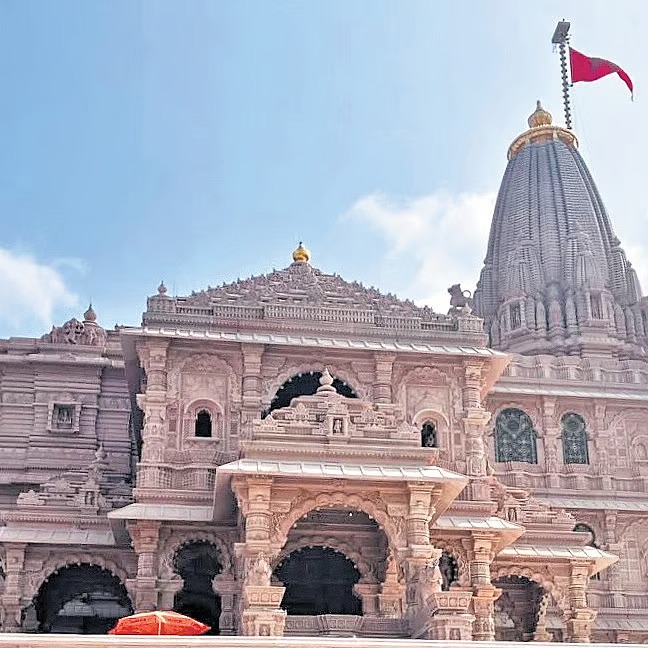
Ayodhya authorities are exploring a Sabarimala-inspired virtual queue system to manage surging pilgrim crowds at the Ram Janmabhoomi temple. By utilizing timed entry slots and digital verification, the proposed framework aims to enhance safety, reduce congestion, and streamline the overall visitor experience.
Temple authorities in Ayodhya explore the implementation of a Sabarimala-style virtual queue system to streamline massive pilgrim influxes.
In response to unprecedented visitor numbers at the Ram Janmabhoomi temple, administrative and temple authorities in Ayodhya are evaluating a proven crowd-regulation framework modeled after Kerala’s Sabarimala pilgrimage. Announced in September 2026, the proposed digital queue mechanism aims to replace chaotic physical lines with timed, slot-based entries, ensuring safety, reducing wait times, and improving overall crowd management for millions of devotees traveling to Uttar Pradesh.
Implementing Digital Slot Management and Security
The prospective system draws heavily from the Travancore Devaswom Board’s digital architecture, which successfully regulates millions of annual visitors through pre-registered virtual tokens, time-stamped QR codes, and mandatory photo identification. By distributing arrivals across structured hourly slots, municipal planners seek to eliminate severe bottlenecks around temple approaches and ensure orderly movement through high-density security checkpoints.
According to municipal announcements and administrative updates reviewed by the Government of Uttar Pradesh and district planning cells, technical teams are currently consulting crowd-management experts who managed large-scale religious gatherings. Officials note that integrating digital ticketing with biometric verification will help authorities monitor real-time visitor density and adjust entry rates dynamically based on ground conditions.
Impact on Devotees, Local Commerce, and Tourism Infrastructure
For pilgrims, tourists, and elderly visitors, transitioning to a scheduled virtual queue model promises a more predictable, dignified darshan experience without the physical strain of prolonged queuing. Travel operators and hospitality businesses in Ayodhya also anticipate that streamlined crowd flows will improve local transit efficiency and reduce traffic congestion across the city's expanding infrastructure networks.
Furthermore, civic authorities emphasize that advanced registration protocols will assist local law enforcement in deploying security personnel effectively during peak festival periods. According to official municipal releases and regional tourism board reports, modernized crowd-control measures are essential for balancing spiritual accessibility with public safety standards.
"According to officials, adopting structured, slot-based access protocols is vital for managing high-frequency pilgrim traffic and ensuring a safe, organized experience for all visitors."
Key Facts at a Glance
Proposed Framework: Ayodhya authorities are reviewing the Sabarimala virtual queue model to manage heavy pilgrim footfall.
Core Mechanism: The digital system utilizes timed-slot booking, QR codes, and government-issued ID verification to regulate entry.
Primary Objective: To eliminate overcrowding, reduce physical waiting times, and enhance crowd safety around temple zones.
Supervising Bodies: Evaluations are supported by administrative insights from state planning and municipal security committees.
Frequently Asked Questions
Why is Ayodhya considering the Sabarimala queue model? The system is renowned for efficiently handling massive religious crowds through pre-booked, slot-based entry mechanisms.
How does a virtual queue system work for pilgrims? Devotees secure an entry time slot online using identification details, receiving a pass or QR code that grants access during their specific window.
Will spot bookings still be available under the proposed plan? Administrative frameworks typically balance digital quotas with limited physical allocations to accommodate diverse traveler needs.
Where can official updates on Ayodhya's temple administration be reviewed? Announcements and civic advisories are hosted on the official Government of Uttar Pradesh portal.
Source: Government of Uttar Pradesh, Ministry of Culture, Government of India