West Bengal's political landscape has intensified following references to jailed Bangladeshi monk Chinmoy Krishna Das and Bengali Hindu identity. While the administration emphasized historical protection and cultural restoration, the CPI(M) hit back by accusing the ruling party of domestic double standards.
West Bengal political circles erupt as the leadership highlights Bengali Hindu identity and references jailed monk Chinmoy Krishna Das, drawing sharp counter-criticism from the Left.
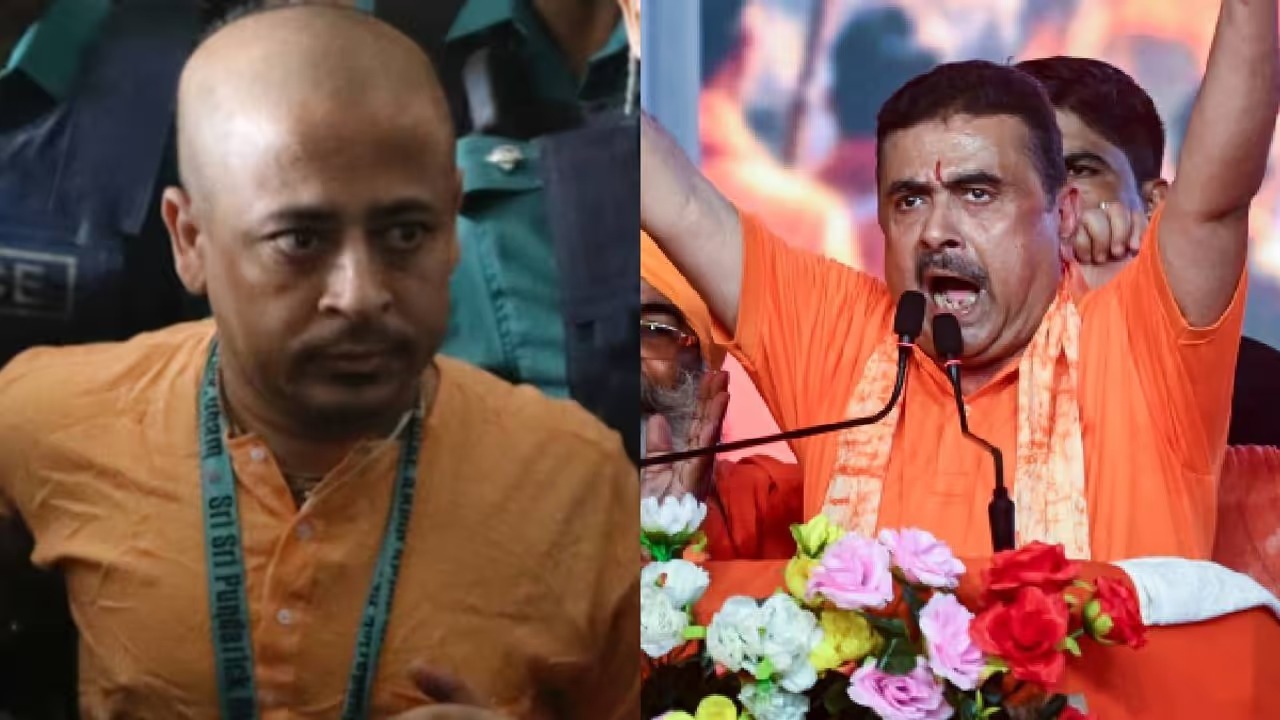
West Bengal political discourse intensified on September 12, 2026, as senior leadership invoked the plight of jailed Bangladeshi Hindu monk Chinmoy Krishna Das during a public event in Kolkata. Speaking at a Ganesh Puja inauguration in Rajarhat-Kestopur, authorities linked regional history, Partition trauma, and the protection of Hindu traditions, warning that a separate homeland was vital for safeguarding local identity. The remarks prompted an immediate and severe political backlash from the Communist Party of India (Marxist), which accused the ruling dispensation of double standards regarding civil liberties and minority rights.
Identity, Partition Memory, and Historical Context
The debate centers on the historical significance of West Bengal's creation as a safe haven for minority populations escaping displacement during the 1947 Partition. Referencing the recent widely circulated visuals of ISKCON leader Chinmoy Krishna Das attending his mother's funeral on a restricted five-hour parole, officials argued that the historical struggles led by figures like Dr. Shyama Prasad Mookerjee and Swami Pranavananda prevented a similar fate for Bengali Hindus in India.
According to public statements and regional policy addresses reviewed by the Press Trust of India (PTI) and reported via The Hindu, successive past governments spanning the 34-year Left Front tenure and subsequent administrations deliberately suppressed traditional almanacs, scriptural studies, and cultural rituals. The ongoing ideological confrontation highlights a broader effort by the current state administration to recast public narratives around cultural heritage, religious festivals, and regional autonomy.
CPM Retaliation and Broader Political Fallout
The Marxist camp swiftly dismantled the ruling party's narrative, accusing them of selective outrage and hypocrisy. CPM leaders pointed out that while the administration champions the cause of persecuted minorities across national borders, domestic critics and student activists such as Umar Khalid face prolonged incarceration within India without trial.
According to official organizational statements released by CPI(M) Bengal fractions and political analyses published by ETV Bharat, the Left maintains a consistent stance against majoritarian supremacy and state-backed persecution globally and domestically. This escalating war of words has effectively transformed cultural celebrations and festival platforms into high-stakes arenas for competing ideologies ahead of upcoming regional political milestones.
"According to officials, safeguarding the cultural heritage and traditional practices of Bengali Hindus remains an essential pillar for maintaining regional social harmony and historical awareness."
Key Facts at a Glance
Monk's Plight: References were made to jailed Bangladeshi monk Chinmoy Krishna Das grieving his mother's passing during a brief parole.
Historical Argument: Leadership credited figures like Shyama Prasad Mookerjee with creating a secure sanctuary for Bengali Hindus during Partition.
Left Opposition: The CPI(M) condemned the remarks as majoritarian rhetoric, highlighting domestic political detentions like Umar Khalid.
Cultural Focus: The exchange underscores ongoing friction over the administration of religious festivals, almanacs, and local traditions in West Bengal.
Frequently Asked Questions
Why was Chinmoy Krishna Das referenced in the recent political speeches? His recent restricted parole to attend his mother's funeral was cited to emphasize historical vulnerabilities faced by minorities.
What was the core argument presented regarding Bengali Hindu identity? Speakers asserted that the state's historical inclusion in India prevented systemic displacement similar to that witnessed in erstwhile East Pakistan.
How did the CPI(M) respond to these statements? Left leaders accused the ruling party of double standards, contrasting their stance on cross-border issues with domestic civil liberties cases.
Where can official press statements regarding these political exchanges be reviewed? Complete coverage and institutional reports are available via The Hindu and the Press Trust of India (PTI).
Source: The Hindu, Press Trust of India (PTI), CPI(M) West Bengal Desk