Veteran performer Jaaved Jaaferi has urged modern actors to embrace versatility to stay relevant in a rapidly evolving entertainment industry. He argues that the rise of digital platforms and global storytelling standards requires performers to master diverse skills, moving beyond traditional typecasting to ensure professional longevity and artistic growth.
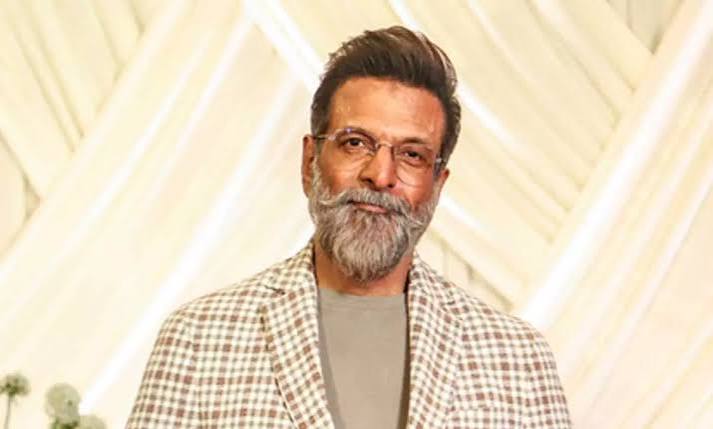
MUMBAI — Veteran actor and performer Jaaved Jaaferi has called on the modern generation of talent to prioritize versatility over fixed archetypes. Speaking at a media interaction in Mumbai on Sunday, July 5, 2026, Jaaferi addressed the changing landscape of the entertainment industry, arguing that actors no longer have the luxury to limit themselves to specific genres or character types if they wish to remain relevant in a competitive global market.
Jaaferi, whose career spans over four decades across dance, comedy, voice acting, and serious drama, highlighted that the rise of digital streaming platforms has democratized content, allowing performers to traverse multiple mediums. His comments come as the Indian film industry experiences a significant shift in production models, favoring content-driven narratives that often demand a broader range of skill sets from lead actors.
The Necessity of Artistic Versatility
Reflecting on his own career trajectory—which saw him transition from iconic dance performances and choreography to high-stakes comedy and, more recently, complex dramatic roles—Jaaferi stressed that the "era of typecasting" is rapidly fading. He noted that contemporary audiences, exposed to global cinema via international streaming services, now demand greater authenticity and adaptability from performers.
"Actors don't have the luxury to limit themselves to one style or category," Jaaferi stated during the event. "The industry has become far more porous. A performer who can handle physical comedy, voice modulation, and dramatic nuance is much more capable of navigating the requirements of today's multi-platform storytelling."
Adapting to Changing Media Landscapes
The shift Jaaferi describes is underpinned by the massive influx of capital into regional and independent cinematic projects. According to reports from the Federation of Indian Chambers of Commerce and Industry (FICCI), the Indian media and entertainment sector has seen a marked increase in demand for "hybrid talent"—actors who are as comfortable in front of a camera for a feature film as they are recording voice-overs for animated features or performing in live theatrical productions.
Industry analysts suggest that this trend is forcing talent agencies to rethink how they manage careers. Instead of pigeonholing actors into specific "star" categories, agencies are increasingly focusing on building portfolios that showcase diverse capabilities, ensuring that talent remains resilient against the unpredictable nature of film industry trends.
Impact on the Future of Performance
For aspiring actors, Jaaferi’s perspective suggests a shift in training priorities. Technical skills such as dialect coaching, physical theater, and digital fluency are becoming just as important as traditional acting methods. This evolution is expected to bridge the gap between "mainstream" and "arthouse" performances, as high-budget productions increasingly seek out actors capable of delivering nuanced, multi-dimensional portrayals.
Business stakeholders in the industry are also responding to this shift. Production houses are increasingly investing in workshops and long-term development contracts that emphasize versatility, aiming to cultivate stars who can sustain interest across various project formats.
Official Sources
Quote Section
Organizers stated that Jaaferi’s participation was aimed at providing professional guidance to emerging artists navigating the high-pressure environment of contemporary Mumbai cinema. According to officials familiar with the discussions, the event focused on balancing artistic integrity with the practical needs of the current digital-first industry.
Why It Matters
Jaaved Jaaferi’s call for adaptability serves as a pragmatic guide for performers in a rapidly changing industry. For consumers, this implies a higher quality of storytelling where actors are no longer static caricatures but dynamic figures. For the broader industry, it reinforces the necessity of innovation in talent development, ensuring that the Indian film ecosystem can compete effectively on a global level.
Key Facts at a Glance
Industry Shift: The move toward multi-platform storytelling demands greater versatility from performers.
Performance Evolution: Actors are increasingly required to master diverse skills, including voice acting, comedy, and drama.
Economic Driver: The growth of streaming services has expanded the demand for actors capable of working across varied project formats.
Career Resilience: Diversifying one's performance portfolio is identified as a key strategy for long-term career longevity.
FAQ
Why does Jaaved Jaaferi believe actors cannot limit themselves?
Jaaferi suggests that the modern industry is too competitive and multi-faceted for actors to stick to one genre, requiring them to be agile and multi-skilled to secure consistent work.
What does this mean for traditional film roles?
It indicates a move away from traditional "typecasting," where actors were often restricted to playing the same character archetypes throughout their careers.
How are industry stakeholders responding to this trend?
Production houses are increasingly investing in talent development programs that focus on versatility rather than just standard "star power" marketing.
Source: FICCI, FTII