Sanjeev Sanyal, advisor to the PM, suggests India’s youth shift from a "degree-first" mindset to prioritizing early employment at 18. He advocates for pursuing academic credentials alongside professional apprenticeships, arguing that AI and rapid technological change make traditional, exam-focused degree paths increasingly inefficient for long-term career success and workforce productivity.
PM’s Economic Advisor Sanjeev Sanyal argues that the era of rigid, degree-first education is fading, urging youth to prioritize skill-based apprenticeships and early employment.
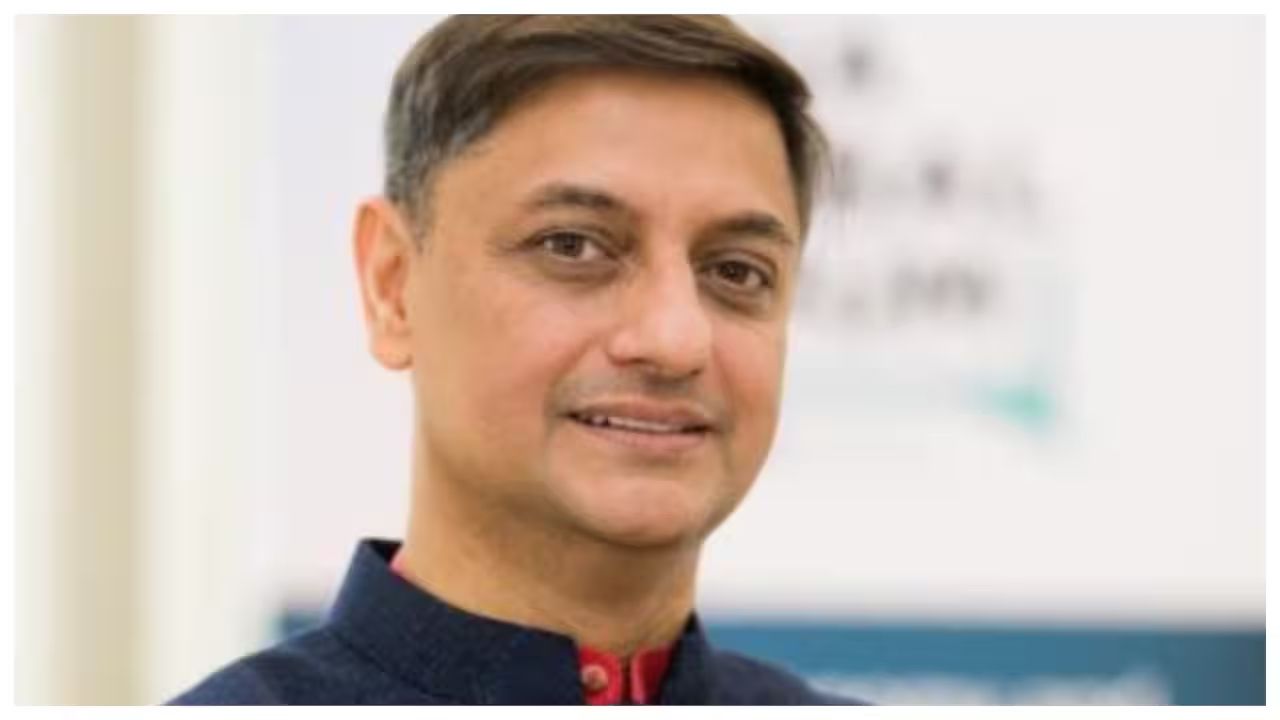
NEW DELHI — In a provocative critique of India’s traditional education system, Sanjeev Sanyal, member of the Economic Advisory Council to the Prime Minister, has called for a fundamental shift in how the nation’s youth approach career development. Sanyal argues that young Indians should pivot away from "degree-first" mentalities—and the years spent preparing for competitive exams—in favor of starting professional work at age 18 while pursuing academic credentials alongside.
Sanyal’s comments, made during a recent podcast interview, highlight a growing belief among policymakers that the rapid pace of technological change, particularly in artificial intelligence, is rendering legacy curricula and long-duration exam preparations increasingly obsolete.
The Case for Early Professional Exposure
Sanyal contends that spending formative years in the "rat race" of highly competitive examinations, such as the Union Public Service Commission (UPSC) Civil Services, often yields poor returns on investment for the vast majority of aspirants. He characterizes these pursuits as a "waste of time" when measured against the rapidly evolving demands of the global job market.
"People should find jobs at 18 and do degrees on the side," Sanyal stated, advocating for an education model that integrates practical experience with academic learning. By entering the workforce early, he argues, students gain relevant industry skills, adapt to professional environments, and develop a more realistic understanding of economic value—advantages that static classroom settings cannot replicate.
Modernizing the Educational Framework
While Sanyal clarified that he does not advocate for the abolition of universities, he stressed that the current model must undergo a drastic modernization. He points to AI as a disruptor capable of delivering cutting-edge knowledge more efficiently than traditional professors or outdated textbooks.
The proposal centers on several key pillars for educational reform:
Apprenticeships Over Rote Learning: Shifting the focus from exam-based degrees to hands-on, skill-based vocational training.
Work-Study Integration: Encouraging students to pursue tertiary education as a secondary, flexible pursuit while maintaining full-time employment.
Technological Adaptability: Recognizing that AI-driven tools will soon outpace standard degree curricula in relevance and delivery speed.
Impact on Students and the Economy
The remarks have ignited a fierce debate across India, dividing opinions between those who view the traditional prestige of civil service and academic degrees as essential, and those who argue that India’s demographic dividend must be harnessed through modern employability skills.
For businesses, Sanyal’s vision implies a shift toward hiring based on proven capabilities and apprenticeship milestones rather than academic pedigree. For students, it suggests a more flexible, albeit challenging, path where professional success is decoupled from the completion of traditional, multi-year university degrees.
Why It Matters
For India’s youth, Sanyal’s proposal signals a potential shift in societal expectations and hiring practices. As AI continues to automate routine tasks, the premium on "bookish knowledge" is expected to decline, while the value of adaptable, work-hardened skills is projected to rise. Successfully implementing this model could lead to higher labor force participation among young Indians, but it would require a massive overhaul of existing corporate hiring policies and educational standards.
Key Facts at a Glance
Work Early: Proposes beginning professional careers at age 18.
Degree Integration: Suggests earning academic qualifications in parallel to working, rather than as a prerequisite.
Critical of Traditional Exams: Views long-duration preparation for exams like the UPSC as economically inefficient for the majority.
Technology-First: Emphasizes that AI-driven learning is faster and more relevant than traditional university curricula.
FAQ
Is Sanjeev Sanyal suggesting that university degrees are unnecessary?
No, he argues that the traditional degree-first approach is becoming outdated and that universities must modernize their methods to keep pace with AI and industry needs.
What alternative does Sanyal propose?
He advocates for a model focused on early apprenticeships, vocational skills, and work-study integration that allows individuals to earn income and gain experience while pursuing education.
Why does he call UPSC preparation a "waste of time"?
He argues that the years of preparation often do not translate into real-world skills or proportional economic outcomes for the vast majority of aspirants.
Official Sources