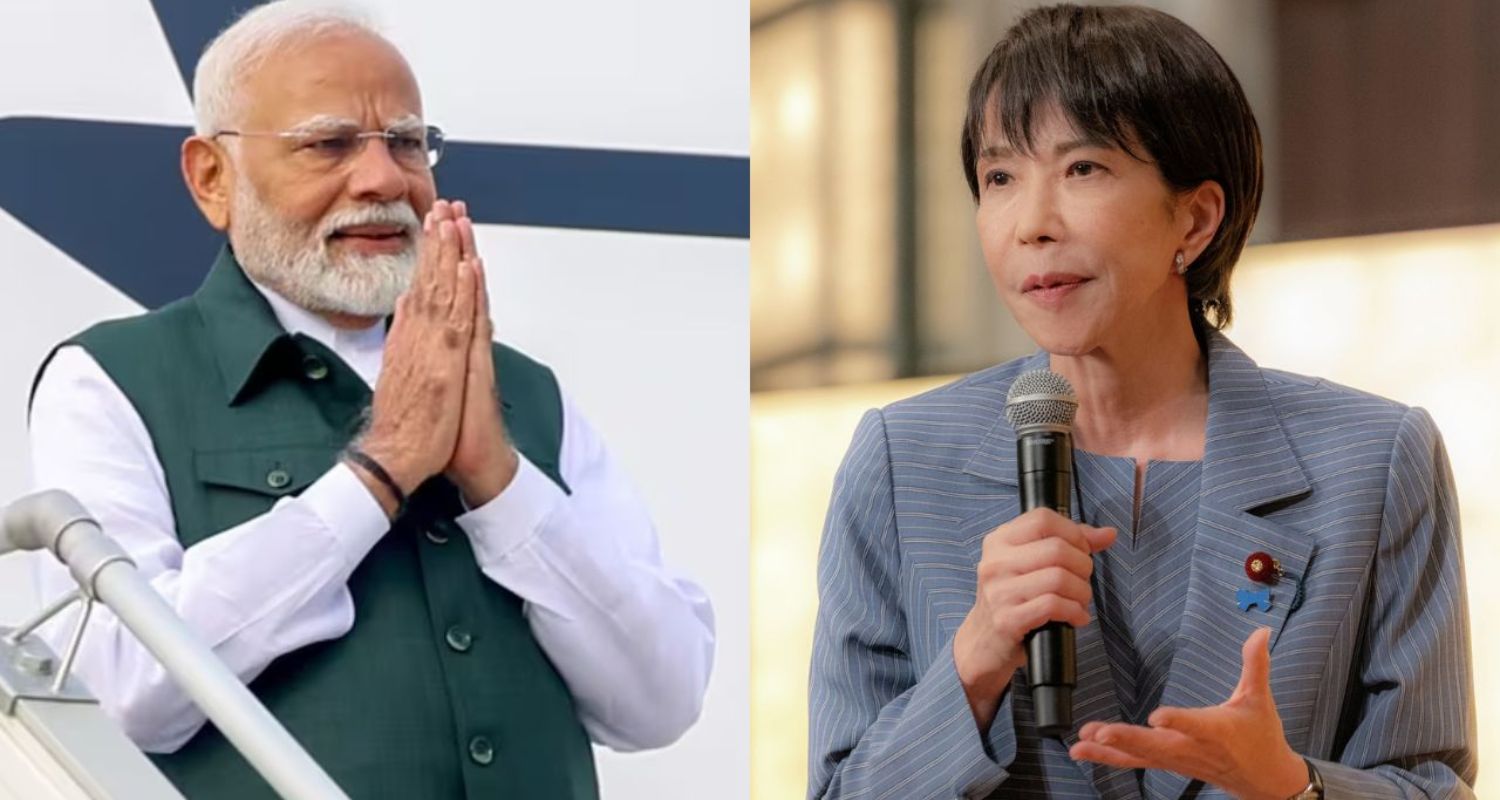
Japanese Prime Minister Sanae Takaichi is planning a state visit to India in early July to hold a bilateral summit with Prime Minister Narendra Modi, according to TV Asahi. The high-level talks will focus on deepening Indo-Pacific defense ties, infrastructure projects, and stabilizing semiconductor and clean energy supply chains.
TOKYO — Japanese Prime Minister Sanae Takaichi is planning an official diplomatic visit to India in early July to hold a high-level bilateral summit with Indian Prime Minister Narendra Modi. According to a report by Japanese broadcaster TV Asahi, the diplomatic mission is designed to deepen strategic, economic, and defense ties between the two democratic anchors of the Indo-Pacific region.
The planned state visit comes at a critical geopolitical juncture, as both New Delhi and Tokyo seek to build more resilient regional supply chains, expand maritime defense cooperation, and counter shifting security dynamics across Asia.
Expanding the India-Japan Strategic Partnership
The scheduled face-to-face meeting between Prime Minister Takaichi and Prime Minister Modi will underscore the continuity of the India-Japan Special Strategic and Global Partnership. Security analysts indicate that the agenda will focus heavily on accelerating joint defense production, broadening the scope of bilateral military exercises, and harmonizing regional infrastructure funding under the legal frameworks of the Quadrilateral Security Dialogue (Quad).
According to diplomatic sources familiar with preliminary event agendas, the leaders are also expected to review the progress of major Japanese-funded infrastructure projects inside India. Key among these is the ongoing Mumbai-Ahmedabad High-Speed Rail corridor, a flagship project backed by Japanese technology and official development assistance (ODA) loans.
Supply Chain Resilience and High-Tech Collaboration
Beyond defense arrangements, the summit will heavily feature corporate and industrial policy alignment. Japan and India have actively spearheaded the Supply Chain Resilience Initiative (SCRI) alongside Australia, a project that has taken on greater economic urgency.
The discussions are slated to facilitate deeper technology transfers and investment pipelines in critical sectors:
Semiconductor Manufacturing: Aligning Japan's advanced semiconductor equipment manufacturing sector with India's expanding production-linked incentive (PLI) chip ecosystems.
Clean Energy Initiatives: Accelerating the India-Japan Clean Energy Partnership, with a focus on green hydrogen production, electric vehicle supply networks, and grid modernization.
Digital Public Infrastructure: Exploring ways to integrate localized digital financial frameworks to facilitate smoother cross-border business operations.
Economic Impact on Businesses and Investors
The planned early July summit is expected to yield multiple commercial pacts that directly impact international businesses, institutional investors, and global supply chain managers. Japanese corporations, including prominent automotive and electronics giants, have increasingly viewed India as a crucial "plus-one" manufacturing base to shield their operations from East Asian geopolitical points of friction.
A successful summit could trigger fresh capital outlays from the Japan External Trade Organization (JETRO) and private Japanese conglomerates into India's industrial townships, particularly across the western and southern manufacturing corridors. For everyday citizens, increased bilateral alignment is anticipated to expand high-tech employment opportunities and streamline professional visa processing pathways between Tokyo and New Delhi.
Official Diplomatic and Media Positions
While the official itinerary is being finalized by the respective ministries of foreign affairs, initial broadcasts from Tokyo have established the timeline for the diplomatic engagement.
"According to officials familiar with the broadcast details, Prime Minister Takaichi's team is structuring the visit to ensure comprehensive coverage of both defense and commercial milestones," TV Asahi reported. "The high-level talks will solidify administrative alignment on critical maritime shipping lanes and deep-tech security protocols."
Why It Matters
The summit represents a critical step in operationalizing the economic defense networks of the Indo-Pacific. As multinational companies seek stability, the structural alignment between Japan's technological capital and India's vast industrial scale provides an alternative supply chain architecture, ensuring that trade corridors remain open and resilient against geopolitical disruptions.
Key Facts at a Glance
Dignitaries Involved: Japanese Prime Minister Sanae Takaichi and Indian Prime Minister Narendra Modi.
Expected Timeline: Early July 2026.
Primary Source: TV Asahi broadcast report.
Core Agenda Items: Quad defense alignment, SCRI supply chain frameworks, and semiconductor infrastructure funding.
Key Industrial Focus: Acceleration of the Mumbai-Ahmedabad High-Speed Rail project.
Frequently Asked Questions
What is the primary purpose of Prime Minister Takaichi’s visit to India?
The visit is intended to strengthen bilateral defense cooperation, align economic strategies under the Supply Chain Resilience Initiative, and coordinate geopolitical policies regarding Indo-Pacific security.
How does Japan support India's infrastructure development?
Japan is a primary provider of Official Development Assistance (ODA) loans to India, funding massive transport and urban modernization projects, most notably the Mumbai-Ahmedabad High-Speed Rail corridor.
What is the Supply Chain Resilience Initiative (SCRI)?
The SCRI is a trilateral framework launched by India, Japan, and Australia aimed at reducing dependency on single-source manufacturing hubs by diversifying industrial assembly and component pipelines across partner nations.
Source: TV Asahi Corporate News Desk, Ministry of Foreign Affairs of Japan, Ministry of External Affairs of India