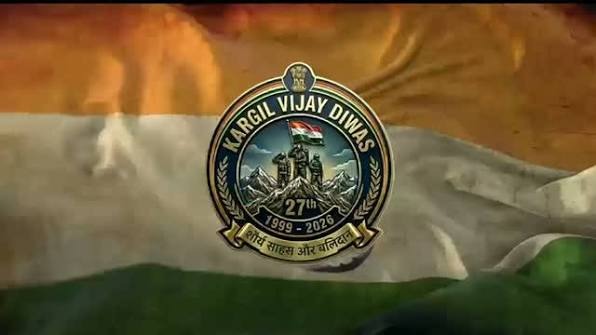
As India marks Kargil Vijay Diwas, the historic assault on Zulu Top in the Mushkoh Valley highlights the final chapter of Operation Vijay. Executed between July 22 and July 25, 1999, the high-altitude operation eliminated enemy holdouts at 5,200 meters, securing critical mountain passes before the war’s end.
DRAS, LADAKH — As the nation observes Kargil Vijay Diwas on July 26, the military victory at Zulu Top in the Mushkoh Valley stands out as one of the final and most complex high-altitude engagements of the 1999 conflict. Fought at an elevation of 5,200 meters (17,000 feet) under extreme sub-zero weather conditions, the assault on Zulu Ridge cleared the remaining enemy positions along the Line of Control (LoC). Executed by infantry troops and specialized assault units under the Indian Army, the success at Zulu Top brought an official end to Operation Vijay.
Tactical Context and the Battle for Zulu Ridge
While key strategic peaks in the Dras sector—including Tiger Hill and Tololing—were secured earlier in July 1999, hostile forces continued to hold fortified positions on the ridgelines overlooking the Mushkoh Valley. Operating from prepared bunkers along the Zulu Spur, enemy artillery observers monitored movement along the vital Srinagar-Leh highway (NH-1A).
To complete the physical reoccupation of Indian territory, military commanders ordered a multi-pronged assault on Zulu Top.
| Operation Parameter | Detail | Operational Impact |
| Location / Sector | Zulu Top, Mushkoh Valley, Ladakh | Secured southwestern flanks overlooking the LoC |
| Altitude | ~5,200 meters (17,000 feet) | Extremely rarefied air, vertical cliffs, sub-zero winds |
| Participating Units | 9 Para Special Forces, Infantry Battalions | Stealth night assault, bunker clearing, hand-to-hand combat |
| Timeline | July 22 – July 25, 1999 | Final tactical objective before the formal end of hostilities on July 26 |
Execution of the Assault at 17,000 Feet
The operation commenced on July 22 with preliminary moves to isolate the feature. Indian troops secured Tri-Junction and neighboring ridgelines to cut off supply lines to the hostile positions on Zulu Top.
On the night of July 24, assault detachments, including teams from the 9 Para Special Forces under Major Sudhir Kumar Walia, began an unroped, vertical ascent up the cliff faces. Moving through heavy mortar and machine-gun fire, Indian forces reached the crest in the early hours of July 25. Close-quarters combat ensued, resulting in the neutralization of the fortified bunkers and the complete recovery of Zulu Ridge by July 25.
Five Indian soldiers made the supreme sacrifice during the final assault on Zulu Ridge, while thirteen enemy soldiers were killed in the engagement. By the morning of July 26, the tricolor was raised over the ridge, signaling the final military victory of Operation Vijay.
Official Sources Section
Military details, casualty figures, and operational timelines featured in this report are sourced from historical releases by the Ministry of Defence, archived battle reports from the Indian Army, official commemoration press briefings issued via the Press Information Bureau (PIB), and official citations archived by the Gallantry Awards Portal.
Quote Section
"According to officials and military records, the recapture of Zulu Top on July 25, 1999, represented the final tactical assault of the Kargil War, successfully clearing the remaining positions overlooking the Mushkoh Valley before the official declaration of victory on July 26."
Why It Matters
The victory at Zulu Top carries lasting strategic and historical significance:
Sovereignty Restored: Fully reclaimed the Line of Control in the Mushkoh Valley sector, ensuring no hostile footholds remained on Indian territory.
Highway Protection: Denied enemy artillery observers direct line of sight over the strategic Srinagar-Leh highway (NH-1A).
High-Altitude Doctrine: Provided crucial operational insights into night assaults, vertical cliff climbing, and logistics support at extreme altitudes.
National Remembrance: Serves as an enduring symbol of courage and sacrifice celebrated every year on Kargil Vijay Diwas.
Key Facts at a Glance
Final Assault: Captured on July 25, 1999, just hours before the formal end of the war on July 26.
Extreme Altitude: Fought at 5,200 meters (17,000 feet) in the Mushkoh Valley.
Key Goal: Eliminated artillery observation posts threatening vital road supply lines.
Historical Legacy: A defining high-altitude battle of Operation Vijay.
Frequently Asked Questions (FAQ)
What was the significance of Zulu Top during the Kargil War?
Zulu Top was a strategic high-altitude ridge (5,200 meters) in the Mushkoh Valley. Controlling this feature denied hostile forces a vantage point to observe and bombard Indian troop movements along NH-1A.
When was Zulu Top recaptured by the Indian Army?
The Indian Army successfully recaptured Zulu Top on July 25, 1999, marking the final major tactical engagement of Operation Vijay.
Which units participated in the battle for Zulu Ridge?
The assault involved infantry battalions working alongside specialized units, including detachments from the 9 Para Special Forces.
Why is Kargil Vijay Diwas celebrated on July 26?
Kargil Vijay Diwas is celebrated on July 26 because on this day in 1999, the Indian Army officially declared the complete eviction of all infiltrators and the successful completion of Operation Vijay.
Source: Official historical operational summaries and battle citations published by the Ministry of Defence, the Press Information Bureau, the Indian Army Portal, and the Gallantry Awards Portal.