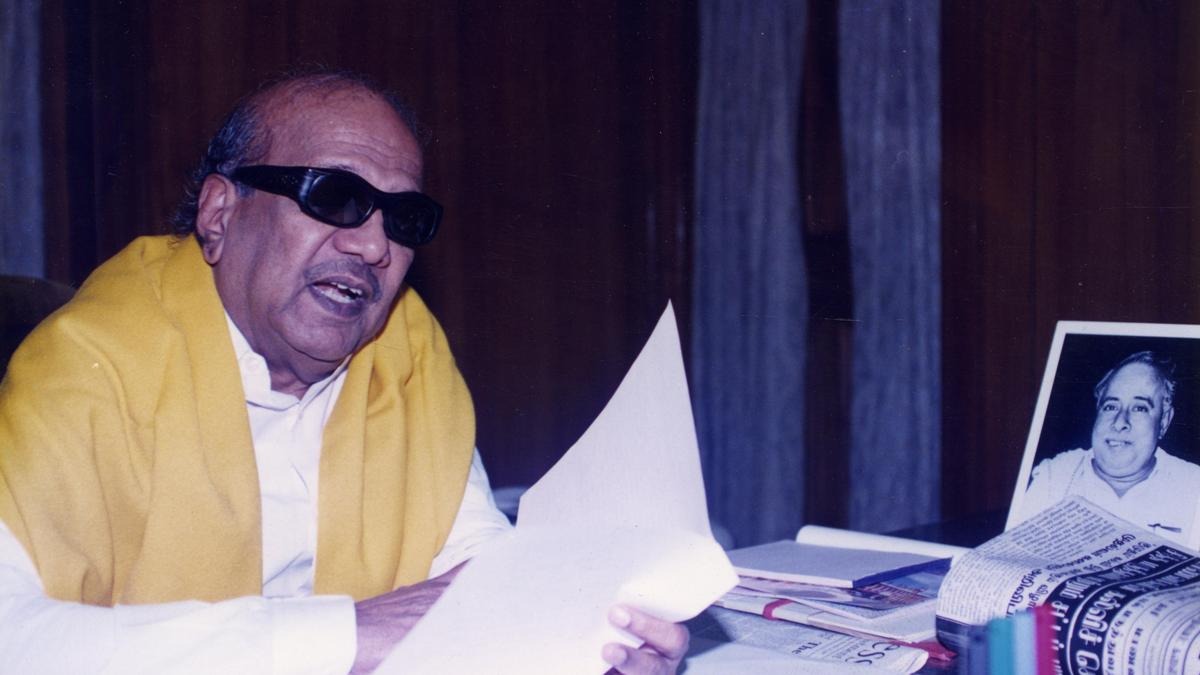
When M Karunanidhi took oath as Tamil Nadu chief minister in 2006, the DMK held barely 96 of 234 assembly seats, making it the state’s first real minority government since Independence. Yet he not only survived five years but delivered a politically stable, welfare heavy term that reshaped coalition politics in the state.
Instead of treating the numbers as a handicap, Karunanidhi turned his minority status into a coalition strength play. With Congress and smaller allies offering outside support, he crafted an arrangement based on constant consultation, power sharing at the Centre and steady delivery of popular schemes that no ally wanted to be seen pulling down.
Building Stability With Allies
Karunanidhi’s DMK did not insist on a formal coalition cabinet in Chennai, but ensured Congress and others had space and stakes through coordination committees and partnership in Delhi. His leverage in national politics, including influence over coalition configurations at the Centre, further discouraged local allies from rocking the boat in Tamil Nadu.
Welfare Politics As Glue
The 2006–2011 government rolled out headline schemes such as free colour televisions, one rupee rice and extensive housing and social welfare programmes. These initiatives cemented the DMK’s image as a pro poor, pro minority administration and made it politically risky for supporting parties to withdraw backing and then face voters accused of blocking popular benefits.
Managing The Assembly And Opposition
On the floor of the House, Karunanidhi relied on meticulous legislative management, attendance discipline and issue based support from allies to pass budgets and key Bills. He publicly embraced the “minority government” tag, framing it as a government for minorities and the marginalised, which helped shift the narrative from numerical fragility to moral authority.
Legacy For Today’s Hung Houses
Karunanidhi’s fifth term is now a reference point whenever Tamil Nadu or other states throw up hung verdicts. His success is widely seen as resting on three pillars: a clear welfare mandate, durable alliances anchored in national politics, and a pragmatic, non confrontational style that kept doors open to both allies and adversaries.
Minority Governance Takeaways
- 2006 DMK government had only 96 seats yet ran a full five year term
- Stable alliances with Congress and regional parties underpinned survival
- Free TV, cheap rice and housing schemes created strong pro welfare momentum
- Central level leverage helped deter allies from withdrawing support
- His tenure is now cited as a playbook for managing hung assemblies in India
Sources: Biographical and historical accounts of M Karunanidhi’s 2006–2011 term, timelines on Tamil Nadu politics, and analyses of minority governments in India