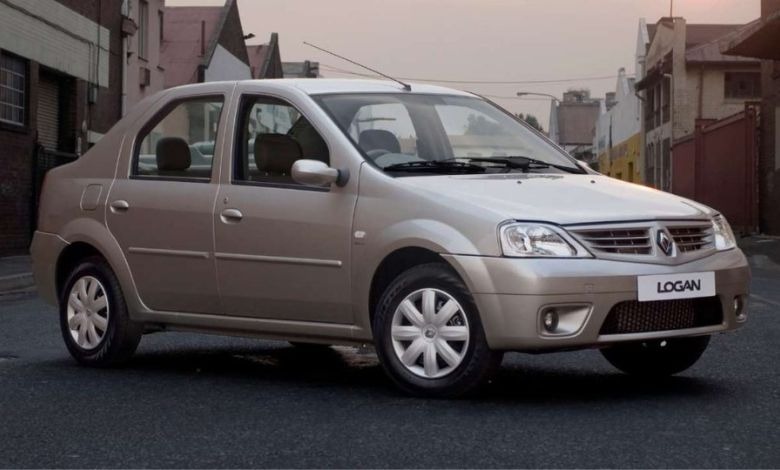
Purchasing a used Renault Logan requires a thorough inspection of the engine's timing belt, suspension health, and electrical systems. Potential buyers should prioritize verified service history and perform a comprehensive test drive to ensure the vehicle’s long-term reliability and safety, avoiding common issues associated with aging automotive components.
Buyers looking to acquire a pre-owned Renault Logan should prioritize specific mechanical and structural inspections to ensure long-term vehicle reliability.
KOLKATA — For budget-conscious buyers, the Renault Logan remains a popular choice in the secondary vehicle market due to its robust suspension and spacious cabin. However, as these models age, prospective owners must conduct thorough due diligence. Experts advise that a systematic approach to evaluating the vehicle’s condition is essential to avoid unforeseen repair costs and ensure road safety.
Engine and Drivetrain Inspection
The Renault Logan is well-regarded for its durable engine architecture, but it is not immune to wear. During a pre-purchase inspection, buyers should check for signs of oil leaks around the cylinder head gasket and the oil pan. A cold-start test is critical; the engine should idle smoothly without excessive vibration or rattling noises.
Additionally, potential owners should inspect the timing belt service history. If the vehicle has surpassed the manufacturer’s recommended interval for belt replacement, this should be factored into the purchase price, as a failure can cause extensive internal engine damage. Transmission fluid levels and quality should also be verified, as neglected maintenance can lead to shifting delays or mechanical failure in automatic variants.
Evaluating Suspension and Chassis
A hallmark of the Renault Logan is its ability to handle varied road conditions, which often results in significant wear on the suspension system. A professional test drive should focus on identifying clunking noises over uneven surfaces, which often indicate worn bushings, ball joints, or shock absorbers.
Potential buyers should also perform a visual check for chassis integrity. Inspecting the underside for structural corrosion is vital, particularly for vehicles that have been operated in coastal or high-humidity regions. Uneven tire wear can be a tell-tale sign of past misalignment or underlying chassis damage, suggesting a history of improper maintenance or accident-related issues.
Electrical Systems and Interior Condition
The electrical architecture of older Renault Logan units requires attention. Buyers should operate every switch and control, including the air conditioning, power windows, and central locking system. Intermittent failure of these components is often linked to aging wiring harnesses or failing ground connections.
Inside the cabin, wear on seat upholstery and dashboard materials is normal for the vehicle's age, but signs of water ingress—such as a musty odor or damp carpets—should be treated as red flags. These issues may indicate faulty door seals or a compromised drainage system, which can lead to interior degradation and electrical short circuits if left unaddressed.
Official Sources and Documentation
According to official service guidelines from Renault, maintaining a comprehensive record of fluid changes, filter replacements, and brake system servicing is critical to the vehicle's longevity. Potential buyers are encouraged to request the vehicle’s service book or maintenance records from the seller. Verification through the regional transport office (RTO) or a certified third-party inspection service can also confirm that the vehicle has a clear title and no outstanding legal encumbrances.
Why It Matters
For the secondary market buyer, the Renault Logan represents a balance between utility and affordability. However, the cost of ownership is heavily dependent on the condition of the vehicle at the point of sale. Proactive inspection prevents the acquisition of a vehicle with "hidden" mechanical issues, protecting the owner’s investment and ensuring that the vehicle meets local safety and emission standards.
Key Facts at a Glance
Mechanical Priority: Check timing belt service intervals and engine gasket integrity.
Suspension Health: Listen for clunking noises, which suggest worn bushings or shocks.
Electrical Verification: Test all cabin electronics, including AC and power windows.
Documentation: Always verify the service history and request a clean title certificate.
FAQ Section
Is the Renault Logan expensive to maintain? Generally, parts are widely available, but the cost depends on the vehicle's age and its maintenance history.
What is the most common issue with the Logan? Suspension bushings and wear on electrical components are the most frequently reported issues as the model ages.
Should I get a professional inspection? Yes, a pre-purchase inspection by a certified mechanic is recommended to identify issues that may not be apparent during a standard test drive.
What should I check before finalizing the deal? Ensure all documents—including the registration certificate (RC), insurance, and PUC—are valid and matched to the vehicle’s VIN.
Source: Renault India Official Portal, Society of Indian Automobile Manufacturers (SIAM), Ministry of Road Transport and Highways