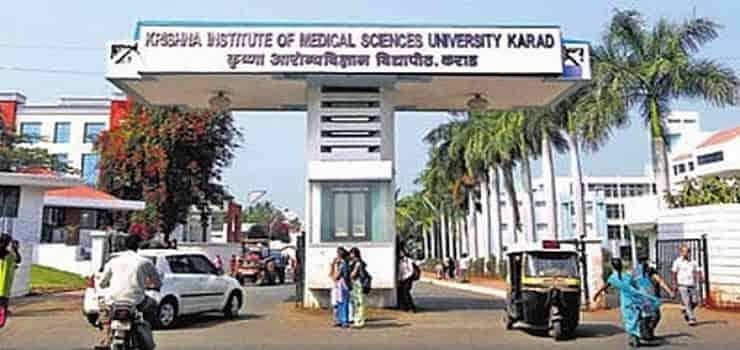
Krishna Institute of Medical Sciences Ltd (KIMS), one of South India’s leading healthcare providers, has reported strong financial results for the quarter ended June 30, 2025. The company posted a consolidated net profit of Rs 786 million and revenue from operations of Rs 8.72 billion, reflecting sustained growth in patient volumes, service diversification, and operational efficiency across its network of hospitals.
This performance reinforces KIMS’s position as a high-margin, scalable healthcare enterprise with a growing footprint in Tier 1 and Tier 2 cities.
Financial Performance Snapshot
KIMS’s Q1 FY26 results showcase a healthy year-on-year growth trajectory:
- Consolidated revenue from operations reached Rs 8.72 billion, driven by increased occupancy rates and higher average revenue per occupied bed
- Net profit stood at Rs 786 million, reflecting a strong margin profile and disciplined cost management
- EBITDA margins remained stable, supported by optimized resource utilization and digital integration across clinical workflows
Key Highlights from the Quarter
- Expansion of clinical services in oncology, cardiology, and organ transplantation contributed to revenue growth
- Continued investment in robotic surgery and minimally invasive procedures enhanced patient outcomes and operational throughput
- Strategic focus on insurance and cashless services improved patient access and reduced receivable cycles
Operational Developments and Strategic Focus
KIMS has been actively pursuing strategic initiatives to strengthen its market leadership and operational resilience:
1. Network Expansion
- New centers in Andhra Pradesh and Telangana are under development, with commissioning expected in FY26
- The company is evaluating acquisition opportunities in underserved geographies to expand its tertiary care offerings
2. Technology Integration
- Implementation of AI-driven diagnostic tools and electronic health records across all units
- Enhanced telemedicine and remote consultation platforms to serve rural and semi-urban populations
3. Talent and Training
- Continued investment in clinical talent through fellowship programs and academic partnerships
- Focus on nursing excellence and paramedical training to support high-quality care delivery
Industry Context and Competitive Landscape
India’s hospital sector has seen a resurgence in demand post-pandemic, with elective procedures and chronic care services rebounding strongly. KIMS has capitalized on this trend through:
- High-end tertiary care offerings that command premium pricing and attract referrals
- Strong brand equity in South India, particularly in Hyderabad, Vizag, and Nellore
- Efficient cost structures that enable competitive pricing without compromising quality
Investor Sentiment and Market Position
KIMS’s stock has shown resilience amid broader market volatility, supported by consistent earnings and expansion visibility:
- Analysts view the Q1 results as a reaffirmation of the company’s scalable model and strong cash flow generation
- The company’s low debt levels and high return on capital employed (ROCE) enhance its attractiveness to institutional investors
- Shareholder focus remains on network growth, margin sustainability, and regulatory compliance
Outlook for FY26
Looking ahead, Krishna Institute of Medical Sciences is expected to prioritize:
1. Accelerated commissioning of new hospitals and specialty centers
2. Continued margin optimization through digital transformation and supply chain efficiencies
3. Strengthening its clinical portfolio in high-growth areas such as oncology, nephrology, and critical care
4. Enhancing patient experience through infrastructure upgrades and service personalization
Conclusion
Krishna Institute of Medical Sciences Ltd has delivered a robust Q1 FY26 performance, with Rs 8.72 billion in revenue and Rs 786 million in net profit. The company’s strategic focus on clinical excellence, operational efficiency, and network expansion positions it well for sustained growth in India’s evolving healthcare landscape. As KIMS continues to scale its presence and deepen its service offerings, it remains a key player in the region’s healthcare transformation.
Sources: Moneycontrol, Business Standard, Trendlyne