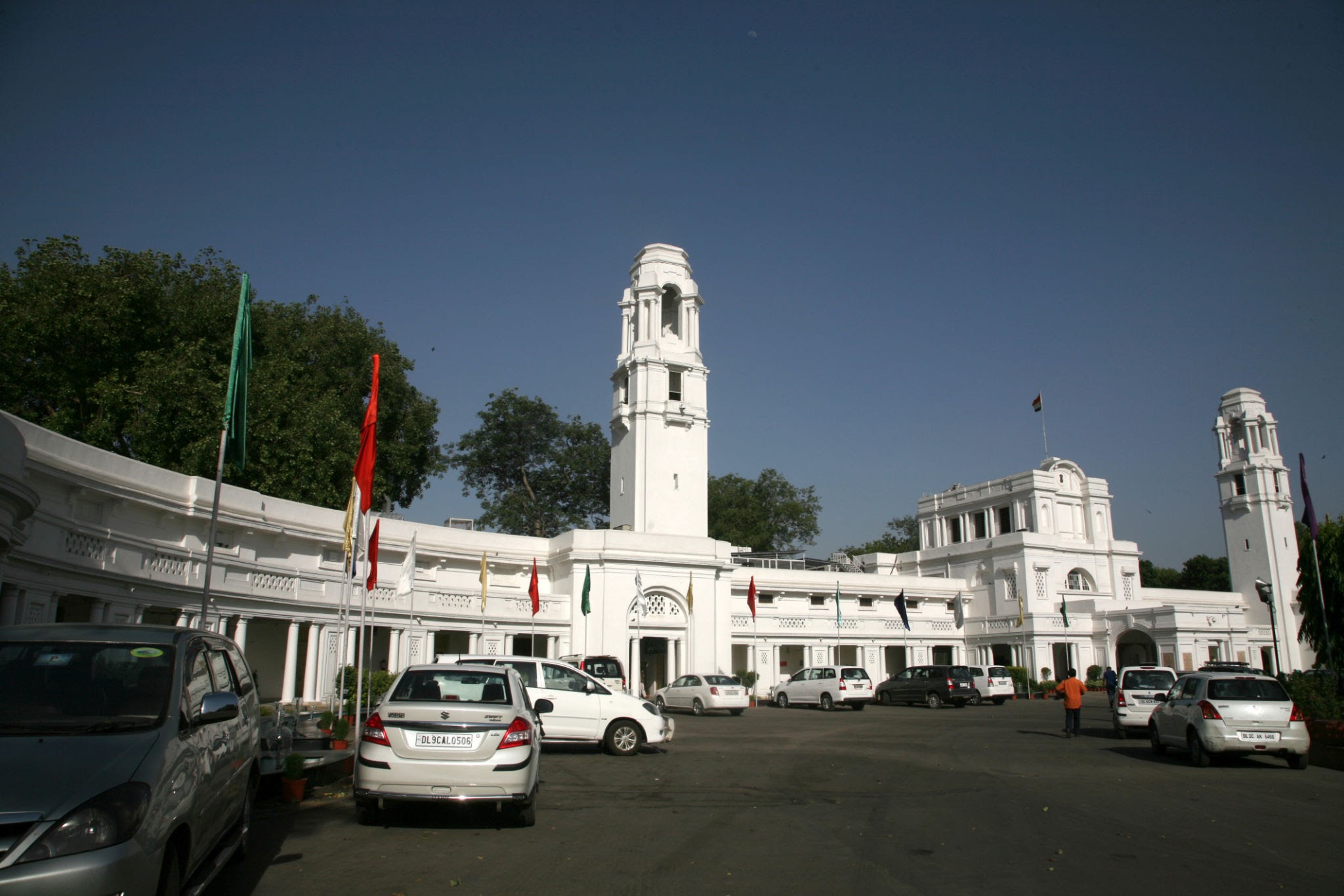
The Delhi Assembly passed a Bill guaranteeing time-bound delivery of over 580 public services as a legal right. Officers causing unjustified delays face daily penalties of ₹250 up to ₹5,000. The law replaces the 2011 Act, introducing an end-to-end digital tracking system and automatic grievance escalation.
NEW DELHI — The Delhi Legislative Assembly has passed the landmark Delhi (Right of Citizen to Time Bound and Ease of Delivery of Services) Bill, 2026, establishing time-bound delivery of government services as a strict legal right for the capital's residents. Under the newly passed legislation, government officials who fail to process public applications within stipulated timelines without valid justification face personal financial penalties of ₹250 per day.
The legislation replaces the older Delhi (Right of Citizen to Time-Bound Delivery of Services) Act, 2011, replacing nominal fines with strict financial deterrence and an end-to-end digital monitoring system. The law covers more than 580 notified public services across municipal, utility, and administrative departments.
Financial Penalties and Officer Accountability
The new legislative framework introduces strict personal liability for designated civil servants and departmental officers. Under the replaced 2011 statute, officers faced a minor penalty of ₹10 per day capped at ₹200 as compensatory cost. The 2026 law escalates the penalty 25-fold to ₹250 per day, up to a maximum upper limit of ₹5,000 per application.
The penalty structure applies equally to unjustified service delays and wrongful rejections. In accordance with administrative principles of natural justice, officers will be granted an opportunity to present a formal explanation before fines are deducted from departmental accounts or salaries.
| Parameter | Replaced 2011 Act | Newly Enacted 2026 Law |
| Daily Officer Penalty | ₹10 Per Day | ₹250 Per Day |
| Maximum Penalty Cap | ₹200 Per Application | ₹5,000 Per Application |
| Grievance Redressal | Manual Appeal Process | Automatic Escalation Mechanism |
| Oversight Institution | Departmental Nodal Officers | Delhi Right to Service Commission |
Digitization and Automatic Escalation System
To eliminate red tape and physical visits to government offices, the Bill mandates a fully digitized service workflow. Citizens submitting applications for birth certificates, electricity connections, factory plan approvals, or trade licenses will receive unique digital tracking numbers to monitor status updates in real time.
A key technical feature of the law is its automatic appeal mechanism. If a designated official fails to grant approval within the prescribed timeframe, the digital portal automatically escalates the file to the Citizen Grievance Redressal Authority without requiring manual intervention from the applicant. Unresolved cases escalate further to the newly constituted Delhi Right to Service Commission.
Official Sources Section
According to official statements from the Delhi Chief Minister's Office (CMO) and proceedings of the Legislative Assembly, the Bill received approval following introduction by Information Technology Minister Pankaj Singh during the session.
The Delhi government confirmed that administrative rules, departmental timelines, and designated officer responsibilities will be published via gazette notifications across departments including the Delhi Jal Board, Labour Department, and Revenue Department.
Quote Section
"According to officials, the legislation ensures that every citizen receives notified public services within prescribed timelines while holding government officers directly accountable for administrative negligence," the Chief Minister's Office stated following the Assembly vote.
Government representatives confirmed that the law forms part of a wider administrative overhaul designed to modernize public governance and eliminate delays across capital services.
Why It Matters
The enactment of the Time-Bound Service Delivery Bill carries significant administrative and practical implications for Delhi residents and businesses:
Elimination of Bribery and Delays: Transparent digital tracking and automatic escalation remove intermediate physical checkpoints.
Deterrent Effect on Bureaucracy: Daily financial deductions enforce accountability among municipal and state officers.
Ease of Doing Business: Streamlined timelines for commercial clearances—such as factory permissions and shop registrations—support local enterprises.
Key Facts at a Glance
Enacted Law: Delhi (Right of Citizen to Time Bound and Ease of Delivery of Services) Bill, 2026.
Daily Fine Structure: ₹250 daily penalty on responsible officers, capped at ₹5,000.
Scope of Services: Over 580 government services across state and municipal bodies.
Digital Oversight: Automatic escalation to the Delhi Right to Service Commission upon deadline expiry.
Frequently Asked Questions (FAQ)
What happens if a government service in Delhi is delayed beyond the deadline?
The online system automatically flags the delay and escalates the file to the Grievance Redressal Authority, imposing a daily fine of ₹250 on the responsible official up to a ₹5,000 ceiling.
How do citizens track their public service applications under the new law?
Applicants receive a unique digital tracking ID upon online submission to monitor progress in real time through the central state web portal.
Do citizens need to file a separate appeal if an officer delays a service?
No. The 2026 law introduces an automatic escalation process that triggers an appeal without requiring manual action from the citizen.
Source: Delhi Legislative Assembly Proceedings, Chief Minister's Office (CMO) Official Releases, Delhi Gazette Disclosures.