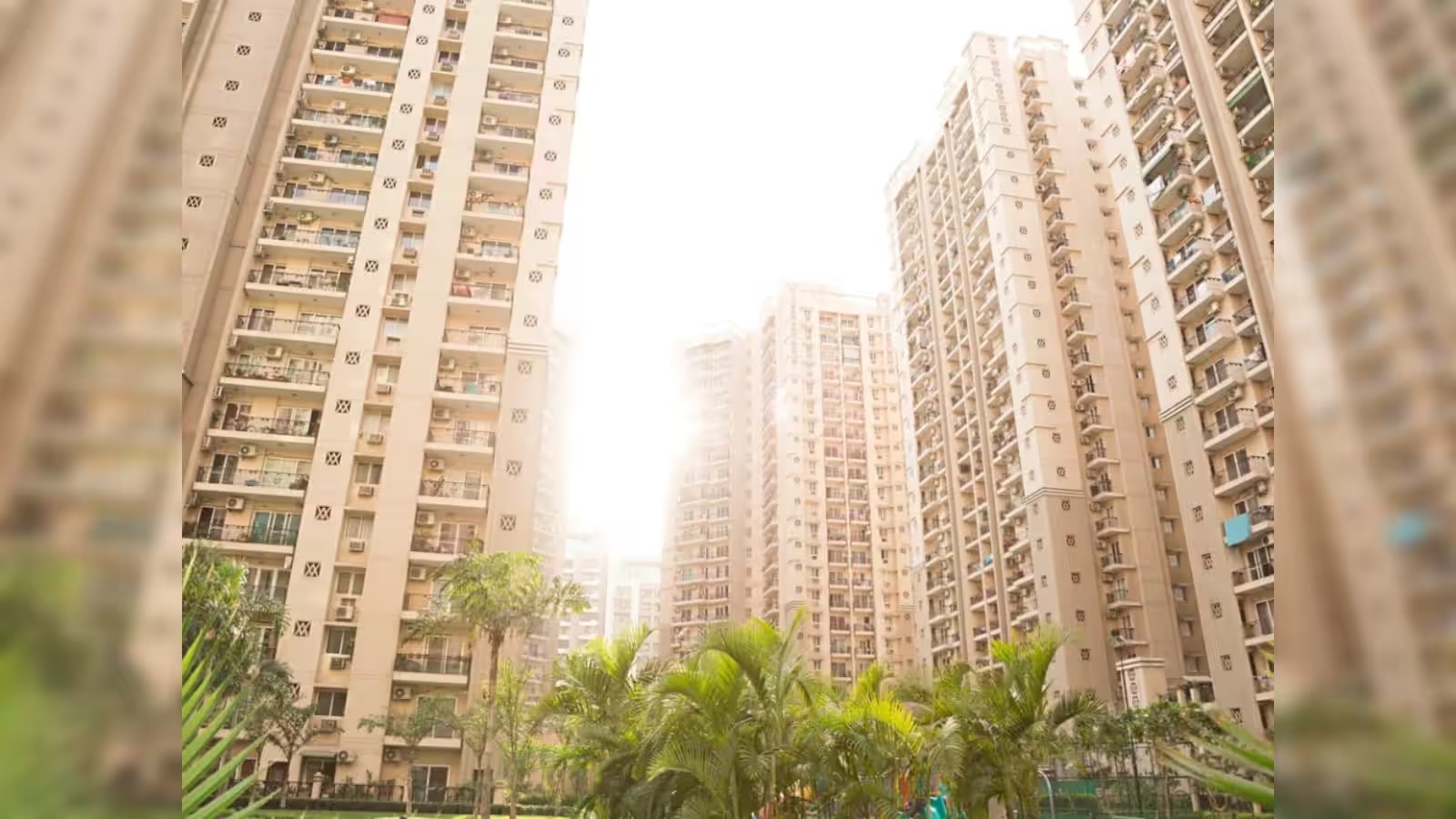
A viral reflection by a high-rise resident has sparked national dialogue on urban loneliness. Despite housing hundreds of families closely together, modern apartment complexes often foster deep social isolation. Experts emphasize that building intentional community networks and active resident associations is vital to overcoming this growing urban challenge.
A viral personal reflection by a metropolitan high-rise resident highlights the deep sense of isolation and social disconnection prevalent in modern apartment complexes.
A candid social media reflection shared by a metropolitan high-rise resident in September 2026 has ignited widespread public discussion regarding urban alienation and neighborhood isolation. The testimony details how vertical living arrangements, despite housing hundreds of families under a single roof, often foster profound anonymity where residents live mere feet apart yet remain entirely detached from one another. The viral post underscores the structural paradox of modern housing societies, where high-density concrete towers paradoxically amplify personal loneliness and weaken community support systems.
The Architecture of Isolation in Vertical Towers
In contemporary urban developments, high-rise complexes are frequently marketed as vibrant, self-contained communities equipped with modern amenities, security systems, and clubhouses. However, interior architectural choices, high-speed elevators, and soundproofed walls often minimize spontaneous neighborly interactions. Residents report weeks passing without a casual conversation outside of brief greetings in common hallways or parking basements.
According to urban sociological studies and social welfare reviews published by the Ministry of Housing and Urban Affairs (MoHUA) and the National Institute of Mental Health and Neurosciences (NIMHANS), chronic social isolation in urban centers significantly impacts mental health, increasing stress and anxiety levels among working professionals and elderly residents alike. While gated societies provide physical security, they frequently lack the informal social safety nets traditionally found in low-rise neighborhoods.
Impact on Urban Residents and Community Welfare
For everyday citizens, families, and senior citizens residing in metropolitan apartments, the lack of localized social connection can exacerbate feelings of vulnerability during medical emergencies or personal distress. Psychologists and public health advocates note that combating this isolation requires intentional community-building efforts, such as resident welfare association (RWA) engagement, shared cultural events, and open communal green spaces.
According to official civic association filings and municipal welfare guidelines issued by urban development authorities, promoting active neighborhood engagement is vital for transforming high-rise complexes from isolated sleeping quarters into cohesive communities.
"According to officials, fostering inclusive community spaces and active resident associations is essential for mitigating the psychological impacts of urban isolation in high-density housing developments."
Key Facts at a Glance
Core Issue: Growing concerns over chronic loneliness and social disconnection in metropolitan high-rise societies.
Urban Paradox: High-density vertical living often leads to greater anonymity compared to traditional neighborhoods.
Health Implication: Studies link urban isolation to heightened stress and mental health challenges among residents.
Suggested Remedy: Active Resident Welfare Association (RWA) initiatives and shared community spaces to rebuild social ties.
Frequently Asked Questions
Why do high-rise residents experience high levels of loneliness? Architectural designs, private entryways, and fast-paced urban lifestyles reduce spontaneous social interactions among neighbors.
What health impacts are associated with urban isolation? Public health studies link chronic loneliness to increased stress, anxiety, and long-term psychological strain.
How can apartment complexes combat resident isolation? Resident Welfare Associations can organize community events, wellness groups, and shared recreational activities to build local connections.
Where can official urban housing and welfare guidelines be accessed? Policy frameworks and urban living studies are published via the Ministry of Housing and Urban Affairs (MoHUA) portal.
Source: Ministry of Housing and Urban Affairs (MoHUA), National Institute of Mental Health and Neurosciences (NIMHANS)