




Loading market data...
ADVERTISEMENT

Latest Top News
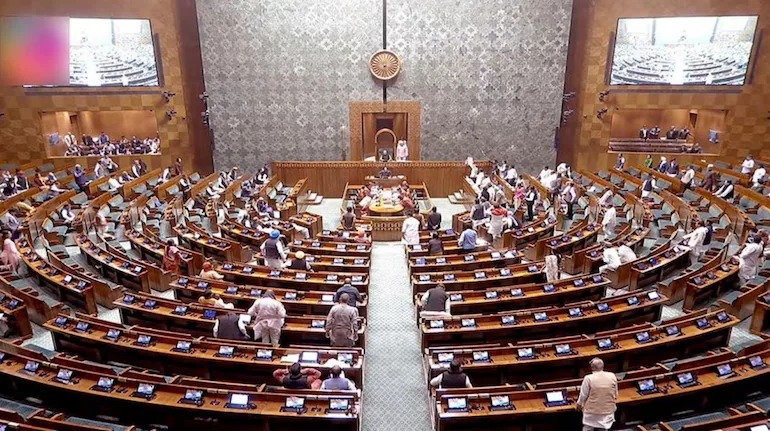
Lok Sabha Expansion Plan With Women’s Quota Set For Debate
India’s lower house of Parliament, the Lok Sabha, may soon see a historic expansion to 816 seats, with 33% reserved for women. The Modi government is preparing to table a bill that could reshape political representation, marking a significant step toward inclusivity in Indian democracy.
Stay Ahead – Explore Now! SEBI Board to Consider Open Market Buyback Revival and Pricing Norms
ADVERTISEMENT

Latest Updates

India Restricts Access to Telegram Platform Nation...
16 Jun 2026, 10:48 AM
Bandhan Bank Board Approves ₹303.74 Crore Housing...
16 Jun 2026, 10:34 AM
Nifty 50 Index Advances 0.50% in Early Trading Ses...
16 Jun 2026, 10:43 AM
RBI Allots ₹894.40 Billion at 7-Day Variable Rate...
16 Jun 2026, 10:40 AM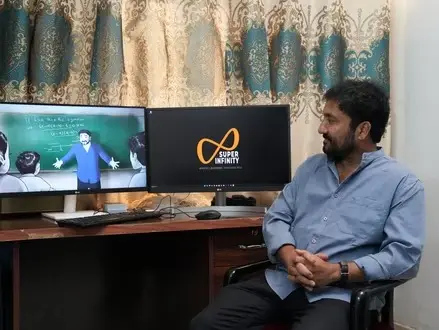
Super 30 Founder Anand Kumar Launches Free Global...
16 Jun 2026, 10:30 AMADVERTISEMENT

Top Stories
India Restricts Access to Telegram Platform Nation...
16 Jun 2026, 10:48 AM
Bandhan Bank Board Approves ₹303.74 Crore Housing...
16 Jun 2026, 10:34 AM
Nifty 50 Index Advances 0.50% in Early Trading Ses...
16 Jun 2026, 10:43 AM