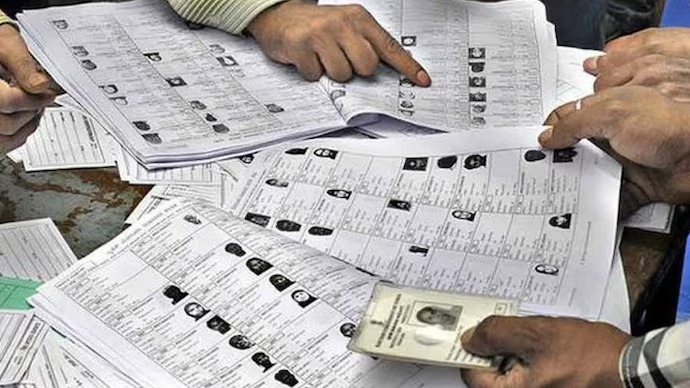
Leader of Opposition Ashoka has made a full-throated defence of the proposed SIR framework, arguing that it is designed to weed out bogus voters and illegal immigrants from electoral rolls rather than strip genuine citizens of their rights. He is trying to frame SIR as an overdue, tech-enabled clean‑up of India’s voter database, but insists that it must be built with tight safeguards, accountability and a robust appeals process to avoid misuse.
What SIR Is Supposed To Do
- While detailed rules are still evolving, SIR is being positioned as a structured, data-driven review of voter rolls that links election data with other government records to detect anomalies. In practice, this could involve checking for:
- Duplicate registrations by the same individual in multiple constituencies.
- Entries of deceased persons who were never removed from the rolls.
Voter records that do not match core identity or residency criteria.
Ashoka’s line is that India’s current system of manual roll revision, door‑to‑door verification and periodic clean-up drives simply cannot cope with the scale of internal migration, urbanisation and border sensitivities. SIR, he argues, gives officials a more systematic way to spot fraud and errors, and then act on them under the supervision of election authorities.
How Ashoka Responds To Fears Of Targeting
- Critics of SIR have warned that any powerful data framework tied to voter lists could easily slide into discrimination by selectively targeting certain regions, communities or political strongholds for “extra scrutiny.” Ashoka has tried to pre-empt this charge by repeatedly stressing a few points:
- The primary focus, he says, must be objective: removing clearly bogus and illegal entries, not “cleaning up” any particular group.
- Every removal or change should leave an audit trail who flagged it, on what basis, and who approved it.
- Citizens must have the right to be informed and to contest decisions quickly if they find their name missing or marked doubtful.
- He has also emphasised that SIR should operate firmly within India’s constitutional framework, data protection norms and the supervisory role of the Election Commission, rather than as an unchecked executive tool.
What It Could Mean For Ordinary Voters
If implemented well, a system like SIR could mean fewer cases of people discovering ghost voters at their address, or of parties alleging mass fake registrations after every election. Cleaner rolls can reduce the scope for impersonation, inflated turnout figures and last‑minute political controversy over lists.
But the risk is equally clear: if the process is opaque, rushed or biased, genuine voters might find themselves arbitrarily dropped and forced into an exhausting paperwork battle just to restore a basic right. That is why Ashoka’s emphasis on transparency, notice and appeal is as important as his argument about fraud and illegal immigrants.
SIR Deep-Dive Highlights
- SIR is pitched as a structured, tech-led review of electoral rolls to catch duplicates, deceased voters and suspect entries.
- Ashoka backs it as a cross‑party benefit: cleaner voter lists, fewer post‑election disputes and stronger trust in results.
- He argues it can help identify illegal immigrants added to rolls in sensitive areas, but only under clear legal limits.
- Key safeguards he stresses: clear rules, audit trails, prior intimation to affected voters and fast, fair appeal mechanisms.
- The real test will be in implementation who controls the process, how transparent it is, and how easily an ordinary voter can fix an error.
- Sources: National political news reports, interviews and statements by LoP Ashoka, election law and governance commentary from leading Indian newspapers and TV channels