




Loading market data...
ADVERTISEMENT

Latest Top News
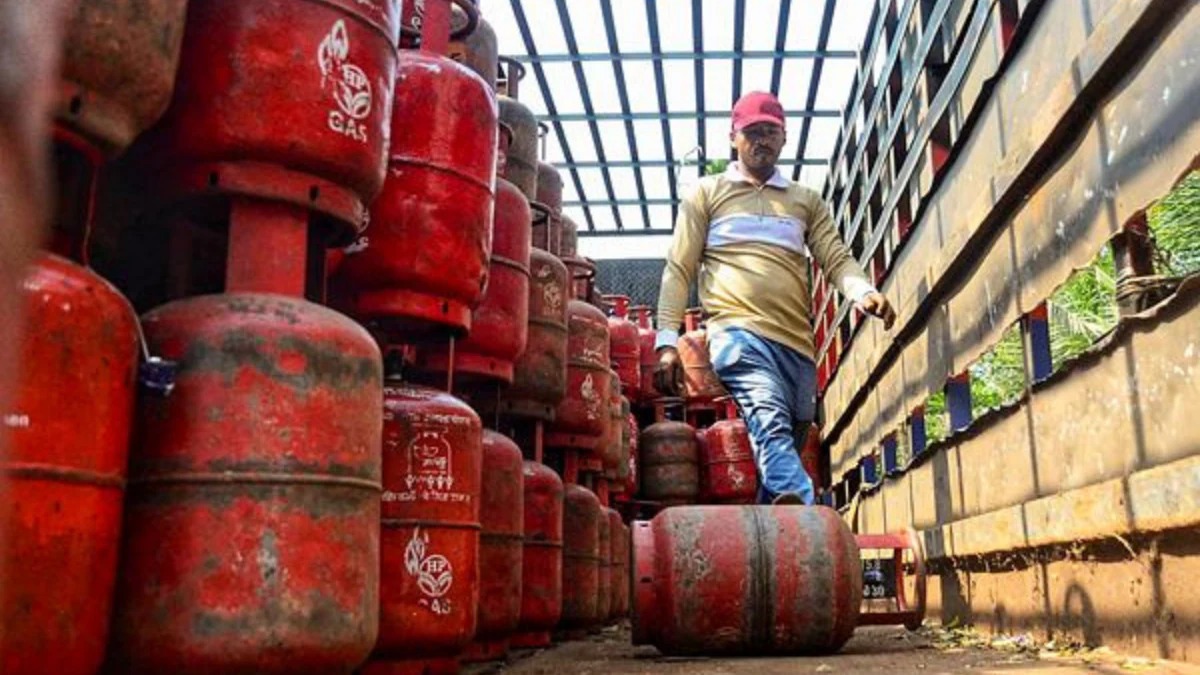
LPG Prices Rise First As Hormuz Disruptions Impact Household Energy Costs
India recently witnessed a sharp hike in domestic LPG cylinder prices, with rates in Delhi climbing by ₹60 to ₹913. The surge followed disruptions in the Strait of Hormuz due to the ongoing Iran–Israel conflict. Interestingly, LPG prices were adjusted first, while petrol and diesel remain stable for now. Immediate Impact On LPG
Stay Ahead – Explore Now! Anthropic President Warns AI Could Face Social Media-Style Bans
ADVERTISEMENT

Latest Updates
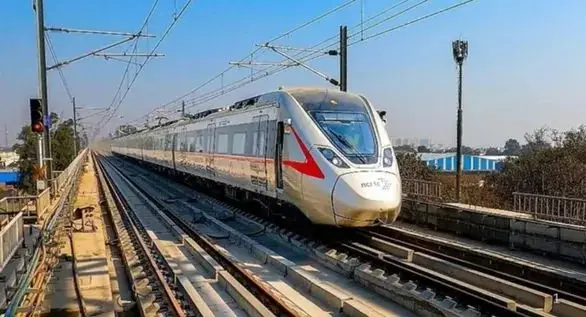
Track to Uttarakhand: Namo Bharat Expansion Nears...
15 Jun 2026, 10:18 PM
From Silt to Sustainability: BMC Starts Rejuvenati...
15 Jun 2026, 02:01 PM
Jharkhand Secures GI Tags for Bhagaiya Silk and Tr...
15 Jun 2026, 02:24 PM
Reel Deal: Mumbai International Film Festival 2026...
15 Jun 2026, 10:07 PM
Nepal Tea Trade: Factories Shut Down Over India’s...
15 Jun 2026, 10:03 PMADVERTISEMENT

Top Stories
Track to Uttarakhand: Namo Bharat Expansion Nears...
15 Jun 2026, 10:18 PM
From Silt to Sustainability: BMC Starts Rejuvenati...
15 Jun 2026, 02:01 PM
Jharkhand Secures GI Tags for Bhagaiya Silk and Tr...
15 Jun 2026, 02:24 PM