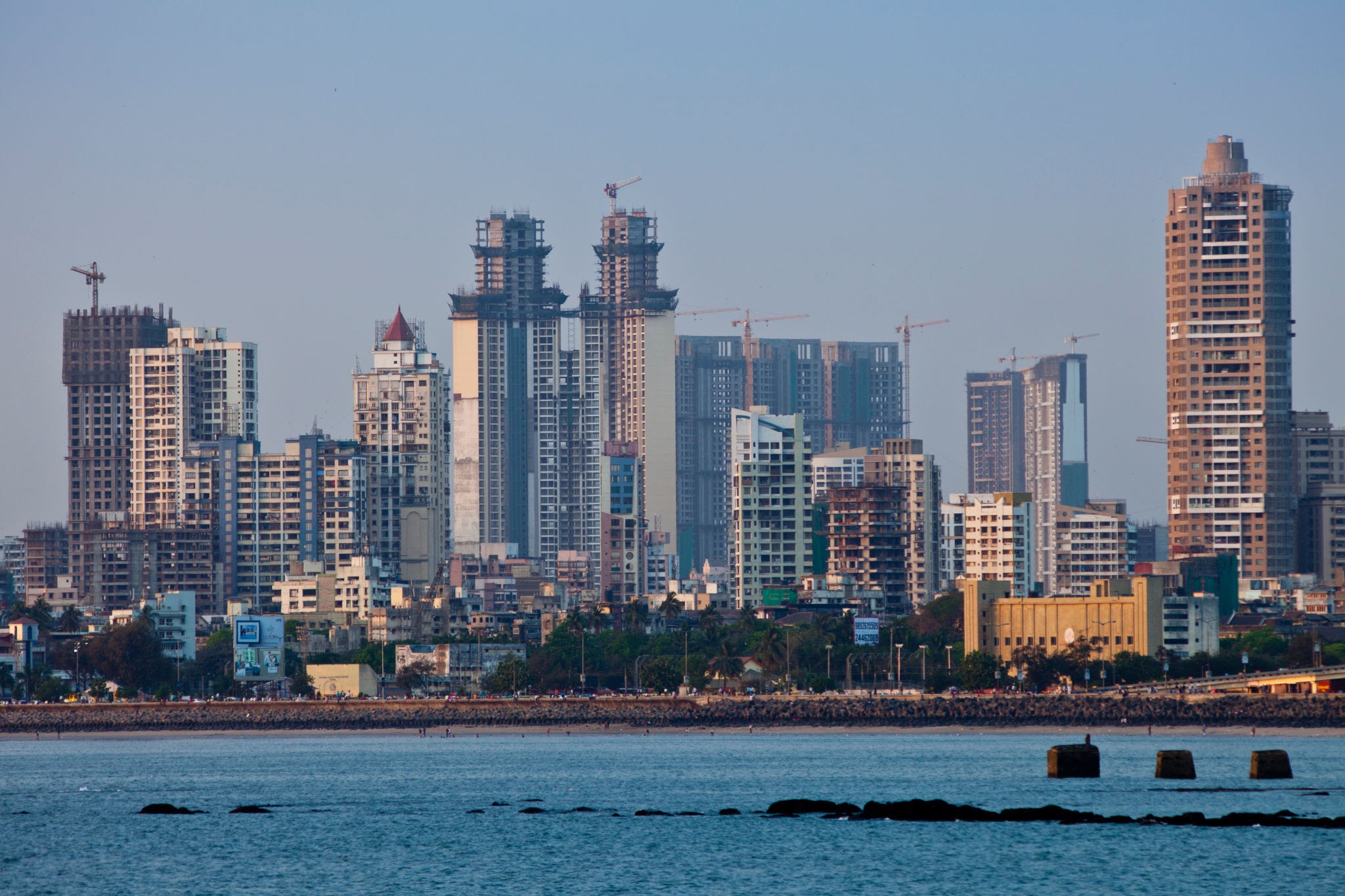
The Maharashtra government has launched "Invest Maharashtra," a new investment promotion agency backed by a ₹3,000 crore budget. Chaired by Chief Minister Devendra Fadnavis, the corporate body features a ₹1,000 crore catalytic fund aimed at drawing global industries, expanding regional technology hubs, and achieving a $1 trillion state economy by 2030.
MUMBAI — The Maharashtra government has formally established a new specialized investment promotion agency, named "Invest Maharashtra," backed by an initial budgetary allocation of ₹3,000 crore. Announced via an official government resolution on June 5, 2026, the corporate body is tasked with modernizing investor facilitation and solidifying the state’s position as India's primary industrial destination.
The strategic rollout aims to streamline corporate entrance pipelines across primary, secondary, and tertiary economic sectors. It directly targets a state-level gross domestic product (GDP) milestone of $1 trillion by the year 2030, operating amidst intensifying domestic competition for global manufacturing setups.
High-Tier Governance and Institutional Architecture
The new entity has been incorporated under Section 8 of the Companies Act, 2013, which allows for the creation of non-profit government enterprises to champion public economic mandates. While Invest Maharashtra functions under the administrative umbrella of the state's industries department, its core command structure is centralized at the highest level of executive power.
According to the official government resolution, Chief Minister Devendra Fadnavis will head the governing council and board of directors as chairman. The state's two Deputy Chief Ministers will serve alongside him as co-chairmen, while the state Industries Minister, Uday Samant, will take the role of vice-chairman. The Principal Secretary of the Industries Department has been designated as the member secretary.
State officials note that positioning the Chief Minister at the helm centralizes investment promotion activities, bypassing bureaucratic bottlenecks to offer immediate clearance authority to high-value domestic and foreign conglomerates.
Financial Framework and the Catalytic Fund
The total approved funding pool of ₹3,000 crore incorporates explicit financial divisions designed to promote fiscal self-sufficiency and high-impact infrastructure planning.
From the total allocation, a carve-out of ₹1,000 crore is legally designated as a dedicated "catalytic fund." This specialized capital reserve will focus exclusively on sustainable revenue generation, enabling the agency to build out scalable, commercial investor facilitation centers and long-term tech platforms.
By utilizing a Section 8 corporate model, the entity can independently manage capital deployments, partner with private infrastructure advisors, and optimize localized promotional campaigns without waiting on seasonal departmental financial allocations.
Official Sources Section
Official notifications released by the [suspicious link removed] show that the state's economic output currently contributes approximately ₹51 lakh crore to India's national GDP. Additional structural data points highlight the state's industrial footprint:
Industrial Production: Maharashtra accounts for more than 15.4% of the country’s cumulative industrial output.
Foreign Direct Investment: The state has secured over 31% of India’s inbound Foreign Direct Investment (FDI) pools over the past decade.
Invest Maharashtra will actively align its deployment strategies with the statutory frameworks of the Maharashtra Industry, Trade and Investment Facilitation Act, 2023, and the newly updated Rules of 2025.
Quote Section
The state's official government resolution outlined the competitive challenges motivating this institutional upgrade:
"States like Tamil Nadu, Karnataka, Gujarat, Uttar Pradesh, Telangana, Andhra Pradesh, and Rajasthan have gone beyond their industrial capacity and established investment promotion institutions as well as global investor facilitation centres. For Maharashtra to maintain its leadership position and achieve the goal of a 1 trillion US dollar economy by 2030, a new, world-class investment promotion agency was required."
Why It Matters
For citizens, job seekers, and corporate boards, the establishment of Invest Maharashtra signals an integrated, single-point entry system for launching commercial enterprises. The agency will work in tandem with the Maharashtra Industrial Development Corporation (MIDC) and the specialized Maharashtra Industry, Trade and Investment Facilitation Cell (MAITRI) to unify licensing, land acquisition, and utility allotments.
By building dedicated investment hubs in expanding urban economic zones like Mumbai, Pune, Nagpur, Sambhajinagar, and Nashik, the agency intends to directly stimulate regional employment in advanced technology sectors. These include electric vehicles (EVs), IT/ITES, third-party logistics, clean energy grids, and micro-component manufacturing.
Key Facts at a Glance
Capital Allotment: The state has provided ₹3,000 crore to fund Invest Maharashtra, utilizing a Section 8 corporate setup.
Strategic Reserve: A baseline allotment of ₹1,000 crore acts as a catalytic fund to build scalable systems and support continuous revenue generation.
Executive Lead: Chief Minister Devendra Fadnavis will directly chair the agency's governing council, alongside both Deputy Chief Ministers as co-chairmen.
Target Horizon: The institutional architecture is designed to propel the state toward a self-sustained $1 trillion regional economy by 2030.
Cross-Agency Mandate: The body will manage primary, secondary, and tertiary sector initiatives, integrating workflows between MIDC, MAITRI, and the Directorate of Industries.
FAQ Section
Q1: What makes Invest Maharashtra different from existing industrial departments?
Unlike traditional bureaucratic departments, Invest Maharashtra is set up as a Section 8 corporate entity with a dedicated ₹3,000 crore budget. Led directly by the Chief Minister, it combines fast-track regulatory clearance with the financial agility to run investor facilitation centers.
Q2: Which industrial sectors will the new agency prioritize?
The agency is mandated to support all three tiers of the economy. However, immediate promotional efforts focus on fast-growing markets like electric vehicles (EVs), financial technology, clean energy, advanced manufacturing, and global IT services.
Q3: How does this development impact local businesses and small enterprises?
By attracting massive anchor corporations and expanding global supply chains into cities like Pune, Nagpur, and Nashik, the agency's work is expected to generate significant business-to-business (B2B) service contracts and supply opportunities for domestic engineering firms and micro-enterprises.
Source: Government of Maharashtra Industrial Resolutions, Directorate of Industries, and Official State Press Briefings.