President Droupadi Murmu returned to New Delhi after completing a landmark three-nation European tour visiting Serbia, Slovakia, and Portugal. The diplomatic mission aimed to strengthen bilateral economic ties, expand cooperation in renewable energy, digital technology, and defense manufacturing, and secure new strategic agreements to boost international trade.
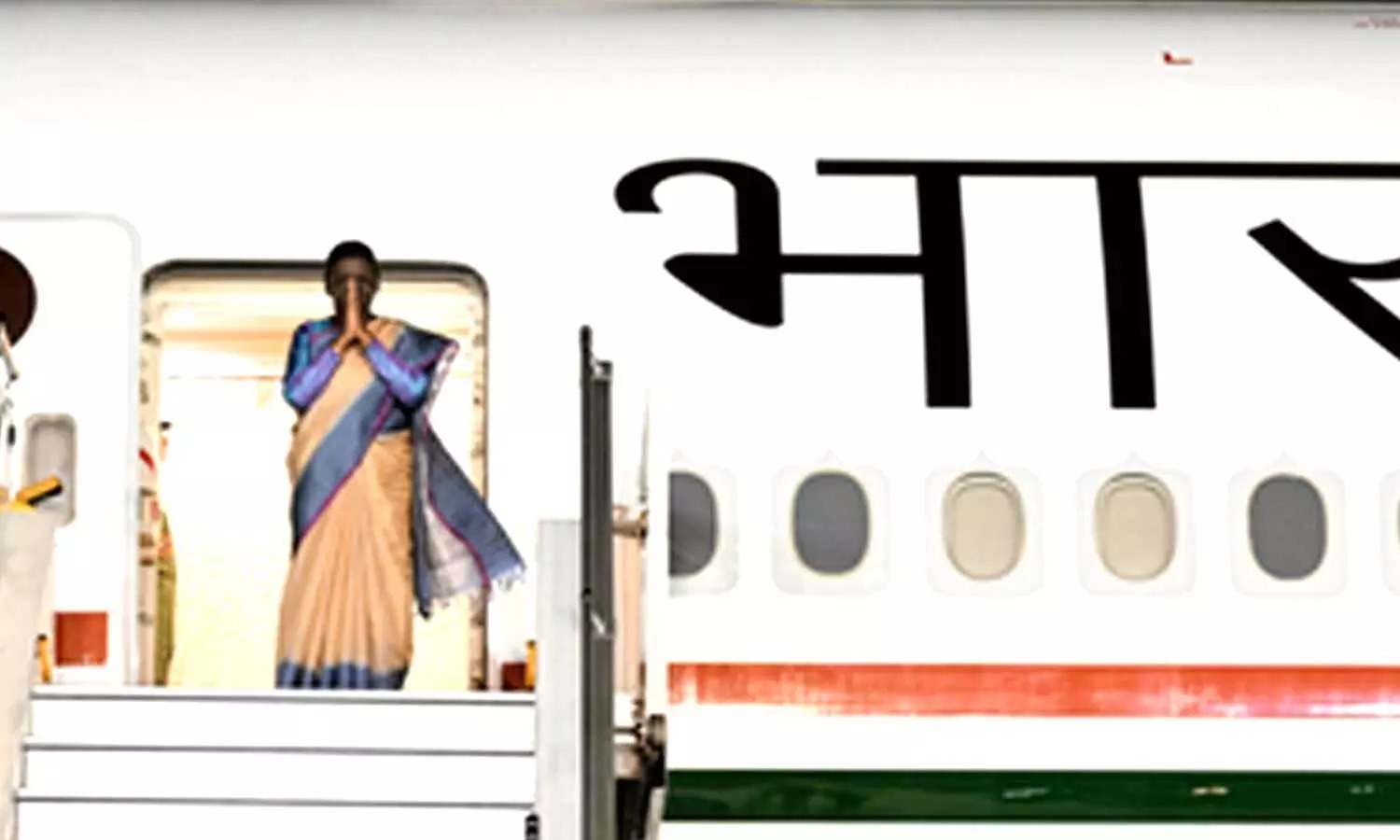
President Droupadi Murmu arrived in New Delhi on July 26, 2026, concluding a landmark three-nation European diplomatic tour designed to strengthen bilateral economic and strategic ties.
Conclusion of Strategic European Tour in New Delhi
President Droupadi Murmu touched down at the Palam Air Force Station in New Delhi, marking the successful conclusion of her high-level diplomatic visits to Serbia, Slovakia, and Portugal. The official delegation returned to the national capital following a series of bilateral summits, trade roundtables, and cultural exchanges aimed at bolstering diplomatic engagement with Central and Southern European partners.
During the multi-nation tour, President Murmu engaged in comprehensive discussions with heads of state and government leaders, focusing on expanded cooperation in digital technology, renewable energy, defense manufacturing, and higher education. The diplomatic outreach aligns with India's broader foreign policy objectives to deepen strategic partnerships, enhance multilateral cooperation, and secure reciprocal trade agreements within the European region.
Key Diplomatic Engagements and Strategic Agreements
Throughout the tour, the presidential delegation finalized several framework agreements and memorandum of understandings (MoUs). In Belgrade, discussions centered on expanding agricultural trade and pharmaceutical exports. Subsequent meetings in Bratislava emphasized advanced automotive engineering collaborations and joint research initiatives. The final leg of the tour in Lisbon involved high-level talks on maritime security, renewable energy grids, and skilled workforce mobility frameworks between India and Portugal.
According to Ministry of External Affairs briefings, these agreements establish a structured timeline for bilateral ministerial dialogues and joint working groups over the next fiscal term, creating new growth vectors for Indian enterprises expanding into European markets.
"According to official government statements, President Droupadi Murmu's European tour has successfully reinforced bilateral partnerships, opening expansive avenues for economic collaboration, technological exchange, and cultural diplomacy."
Why It Matters
The conclusion of President Murmu's European tour holds substantial practical implications for international trade, foreign policy alignment, and bilateral investment flows. By strengthening diplomatic channels with Serbia, Slovakia, and Portugal, Indian policymakers have secured enhanced regulatory frameworks that benefit domestic exporters, technology firms, and academic institutions seeking collaborative opportunities in Europe.
Key Facts at a Glance
Return Location: New Delhi, India, following arrival at Palam Air Force Station.
Tour Duration & Nations: Official diplomatic tour covering Serbia, Slovakia, and Portugal.
Core Focus Areas: Renewable energy, digital technology, trade partnerships, and bilateral defense cooperation.
Governing Bodies: Coordinated via the Ministry of External Affairs (MEA) and Rashtrapati Bhavan.
Frequently Asked Questions
When did President Droupadi Murmu return to New Delhi?
President Droupadi Murmu returned to New Delhi on July 26, 2026, following the completion of her European diplomatic tour.
Which European countries were included in the presidential tour?
The official three-nation tour included diplomatic visits to Serbia, Slovakia, and Portugal.
What were the primary objectives of the European tour?
The tour focused on strengthening bilateral economic ties, expanding technological and renewable energy cooperation, and signing strategic trade frameworks.
Where can official updates on presidential visits be tracked?
Official updates and communiques are published regularly via Rashtrapati Bhavan and the Ministry of External Affairs (MEA).
Source: Ministry of External Affairs (MEA), Rashtrapati Bhavan, Press Information Bureau (PIB)