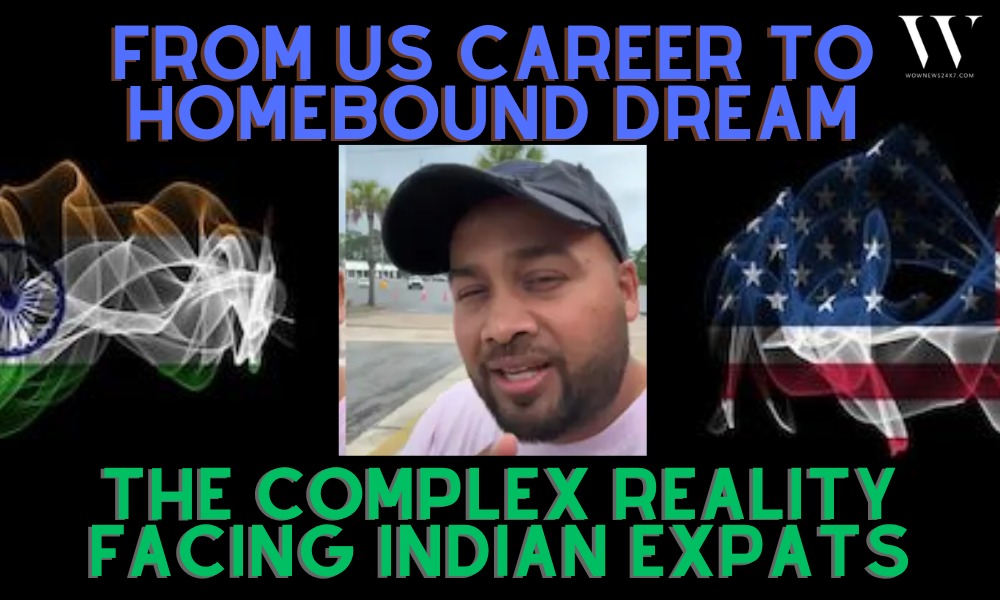
An Indian expatriate in the United States detailed the structural, financial, and lifestyle hurdles that make permanent return relocation difficult for long-term professionals. Challenges such as US immigration backlogs, dollar-denominated savings, career trajectories, and family adjustments often extend overseas stays, turning temporary assignments into permanent residency abroad.
An Indian expatriate living in the United States has shared a detailed breakdown of the structural, financial, and lifestyle factors that make permanent return relocation a complex challenge for many long-term professionals.
Structural and Lifestyle Hurdles Delay Expat Returns
Navigating life abroad often creates unique personal and economic friction when expatriates contemplate moving back to India. According to recent social media commentary shared by an Indian professional residing in the US, the decision to repatriate is rarely straightforward. The discourse highlights how prolonged residence overseas alters lifestyle expectations, professional stability, and financial planning frameworks.
For many skilled workers in the technology, finance, and engineering sectors, the high standard of living, structured work environments, and predictable public infrastructure in the US contrast sharply with the logistical and environmental adjustments required upon moving back. Furthermore, long-standing legal realities, such as employment-based green card processing backlogs, trap thousands of Indian nationals in prolonged professional limbo, influencing their timeline for long-term relocation.
Economic and Career Dynamics Shaping Repatriation Choices
The economic equation of returning to India involves careful calibration of compensation structures, purchasing power parity, and career growth trajectories. While India’s expanding domestic market offers robust leadership roles, transitioning back after spending prime earning years in Western economies requires aligning family expectations, children's educational systems, and retirement planning.
According to labor market analysts and migration studies, professionals frequently weigh the compounding benefits of US-dollar savings and retirement portfolios against the emotional pull of family proximity and cultural integration. These competing priorities often extend the duration of temporary overseas assignments into permanent or semi-permanent residency abroad.
"According to officials and migration experts, overseas worker mobility is shaped by a complex interplay of legal immigration constraints, career incentives, and personal family dynamics."
Why It Matters
Understanding the challenges faced by expatriates offers critical insight into global talent mobility, brain drain patterns, and cross-border investment trends. For policymakers and multinational corporations, these relocation dynamics dictate how tech talent and skilled human capital flow between emerging economies and Western hubs.
Key Facts at a Glance
Primary Subject: The economic, legal, and lifestyle barriers delaying permanent return for Indian expatriates in the US.
Key Drivers: Green card backlogs, career compounding in Western markets, and family lifestyle adjustments.
Core Insight: Repatriation decisions depend heavily on financial alignment and structural adaptation rather than simple personal preference.
Governing Bodies: Migration tracked via agencies like the Ministry of External Affairs (MEA) and USCIS.
Frequently Asked Questions
Why do Indian expatriates find it difficult to move back from the US?
Expatriates often face complex adjustments regarding career compensation, lifestyle expectations, children's education, and the financial transition from dollar-denominated savings.
How do US immigration backlogs affect repatriation decisions?
Prolonged backlogs for employment-based green cards trap many Indian professionals in the US, delaying long-term planning and forcing them to maintain continuous legal status abroad.
Are more Indian professionals choosing to return to India?
While a growing number of professionals return to leverage India's expanding tech and startup ecosystem, structural and lifestyle considerations continue to make the transition gradual.
Source: Ministry of External Affairs (MEA), U.S. Citizenship and Immigration Services (USCIS)