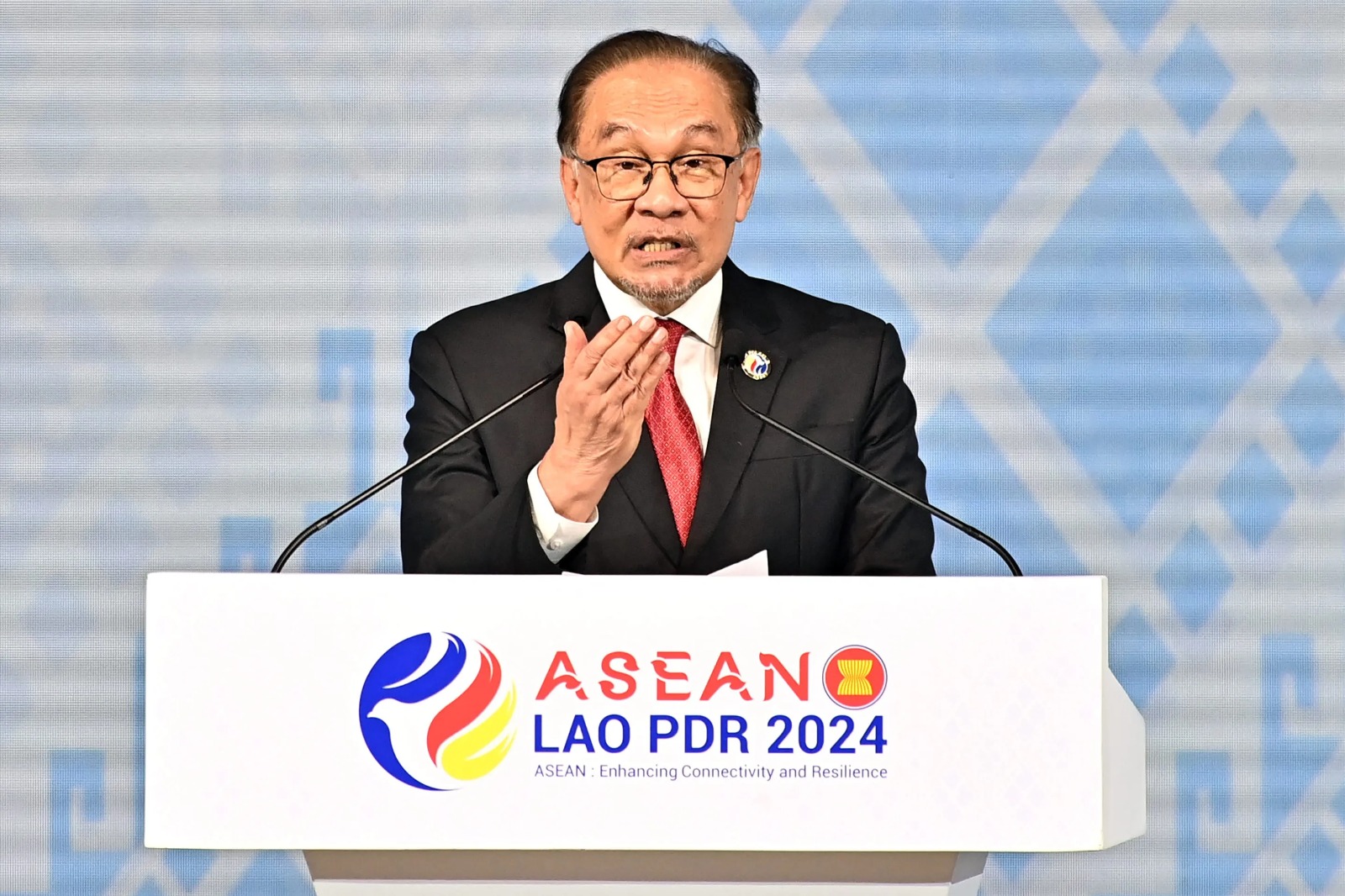
Prime Minister Anwar Ibrahim confirmed that Malaysia is drafting a dedicated AI Governance Bill to establish a values-based framework for automation. The upcoming law mandates human and organizational accountability across the entire software lifecycle, using a risk-stratified compliance system to protect consumer privacy, combat deepfakes, and support digital enterprise.
KUALA LUMPUR, MALAYSIA — Malaysian Prime Minister Datuk Seri Anwar Ibrahim announced that the federal government is finalizing the drafting of a comprehensive AI Governance Bill. The upcoming legislative framework aims to regulate advanced automation, machine learning ecosystems, and high-tier automated software applications across the country.
The policy development comes at a critical juncture as Southeast Asian economies seek to balance aggressive digital acceleration with systemic risk mitigation. Rather than mimicking strict Western statutory frameworks that prioritize technical box-checking, the Prime Minister confirmed that Malaysia’s legislative draft deliberately anchors itself on ethics, citizen protection, and clear human responsibility. Developed in tandem with the National Artificial Intelligence Office (NAIO), the legal framework is designed to manage the expanding integration of intelligent machines into daily commercial workflows, financial services, and civic administration.
Establishing Human and Organizational Liability Across the Tech Lifecycle
A key legal distinction within the proposed AI Governance Bill is its absolute rejection of granting legal or moral personality to autonomous algorithms. According to briefings provided by Malaysia's Digital Ministry to the lower house of Parliament (Dewan Rakyat), software applications lack independent accountability. Consequently, statutory liability will rest entirely on the corporations, entities, or human operators who create and maintain these tools.
The regulatory framework adopts a holistic "lifecycle approach," meaning compliance checks begin at the initial stage of model data training and continue until final decommissioning. Officials note that software security is fluid; an algorithmic model deemed stable during lab testing can mutate or carry unexpected bias when exposed to dynamic public data or modified user bases. The new law will introduce mandatory protocols to evaluate safety vulnerabilities at every operational transition point.
Targeting Deepfakes, Algorithmic Bias, and Copyright Enforcement
The legislative push explicitly addresses immediate socio-economic challenges emerging from open-source generative technology. The Digital Ministry confirmed that the framework establishes structural mechanisms to tackle consumer fraud, corporate identity theft, and deepfake content distribution without bottlenecking technology developers.
Harm Mitigation: The law targets advanced visual manipulation, non-consensual synthetic media generation, and the creation of malicious automated output.
Intellectual Property Safeguards: The Intellectual Property Corporation of Malaysia (MyIPO) is tasked with enforcing traditional copyright codes against uncompensated model ingestion. The legislation reinforces that large language models trained on proprietary Malaysian creative arts, local media, and local text archives must respect existing intellectual property laws.
Data Sovereignty Protection: The statutory framework works in tandem with revised rules governing national energy and water resource allocation for high-density computing infrastructure, ensuring foreign tech firms do not drain domestic municipal utility grids.
Impact on Enterprises, Investors, and Consumers
For domestic businesses and international tech investors, the AI Governance Bill transitions machine learning from an unmonitored experiment to a boardroom-level governance issue. Enterprises employing automated credit scoring, programmatic marketing, or automated recruitment sorting will be required to maintain rigorous, auditable transaction logs.
To protect small-scale enterprises and local startups from being crushed by heavy regulatory compliance costs, the administration plans to implement a tiered compliance structure based on risk classifications. Low-risk consumer chatbots will face minimal paperwork, while high-stakes systems operating in medical diagnostics, critical infrastructure, or legal sorting will face rigorous third-party auditing.
Official Sources Section
The statutory architecture and programmatic goals of the legislation were confirmed via formal state repository filings. Official records were indexed during sessions of the Parliament of Malaysia through ministerial briefings from the Digital Ministry of Malaysia. Supplementary policy definitions were compiled in alignment with the National Digital Economy and Fourth Industrial Revolution Council (MED4IRN) guidelines and procurement notices managed by MyDIGITAL Corporation.
Quote Section
"According to officials presenting the drafting blueprints, the statutory focus remains firmly fixed on developing governance mechanisms that actively mitigate systemic failures before they manifest, thereby providing clear legal assurance to an anxious public while preserving competitive room for institutional digital innovation."
Why It Matters
The introduction of this bill signals a major shift in how technological advancements are managed in Southeast Asia. For citizens, it provides a transparent legal channel for dispute resolution if an unverified algorithm falsely denies them credit, employment, or medical services. For global developers, it establishes a predictable, risk-adjusted sandbox environment to test advanced software models safely within an explicit legal framework before deployment into the wider ASEAN market.
Key Facts at a Glance
Primary Purpose: Establishes comprehensive, risk-adjusted statutory governance over the entire operational lifecycle of machine learning models.
Core Principle: Explicitly assigns legal and moral liability to human operators and corporate developers rather than software agents.
Sandbox Integration: Integrates an experimental regulatory sandbox for companies to safely refine and test prototypes under official oversight.
Copyright Control: Directs MyIPO to actively enforce intellectual property standards against unauthorized text and media training ingestion.
Frequently Asked Questions
Will the AI Governance Bill slow down digital innovation in Malaysia?
No. The government is adopting a risk-tiered approach specifically designed to avoid overburdening micro, small, and medium enterprises (MSMEs) while focusing stricter audits only on high-risk applications.
Does the new legislation punish AI systems directly for automated errors?
No. The legal framework states that automated systems lack legal personality. Full moral and legal accountability remains permanently with the developers, operators, and deploying enterprises.
How will the law protect local creative professionals?
The bill requires developers to respect the Copyright Act of 1987, ensuring that algorithmic models utilizing local text, audio, and imagery for training data do not violate intellectual property codes.
Source: Digital Ministry of Malaysia Legislative Reports, MyDIGITAL Corporation Official Procurement Repository, Parliament of Malaysia Hansard Records.