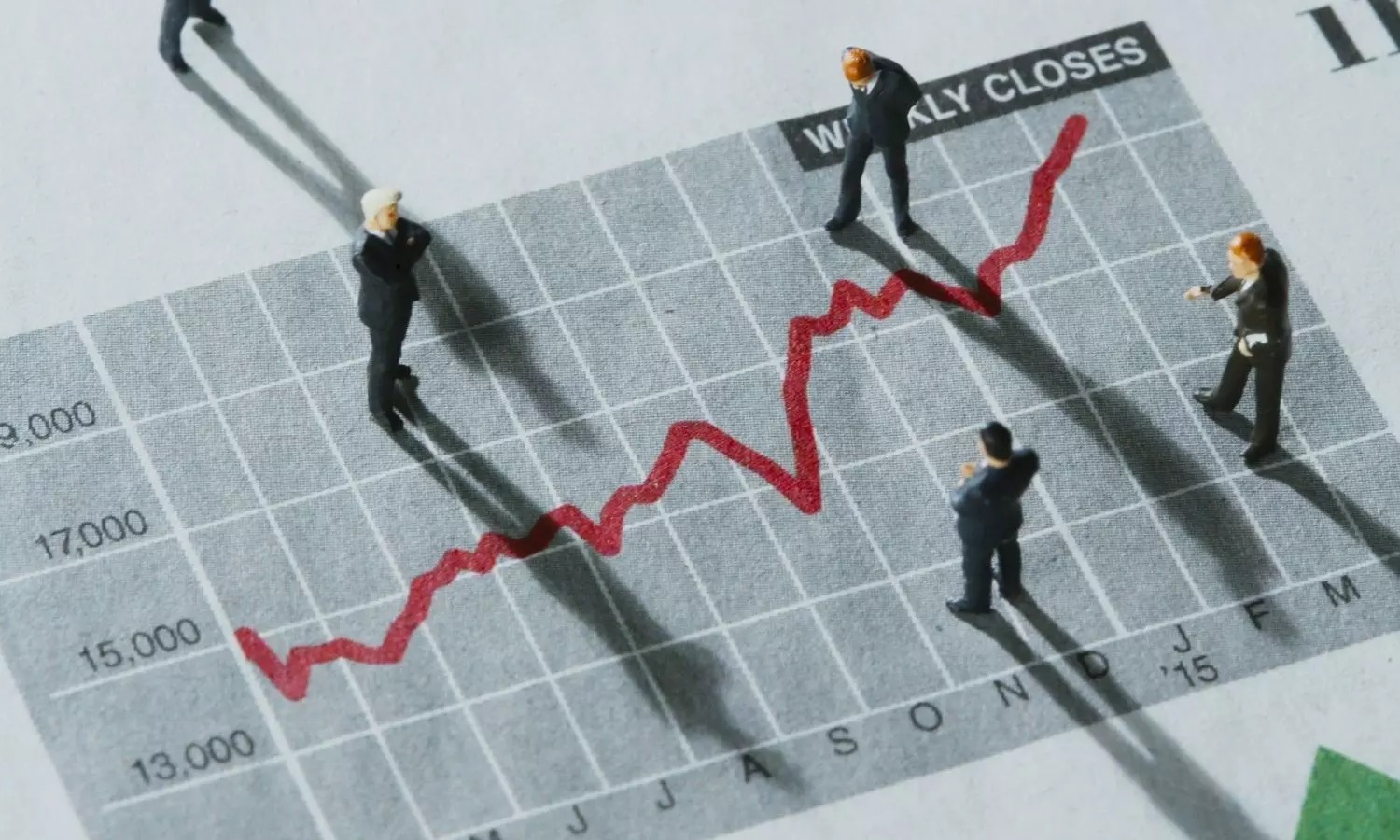
India’s top ten companies witnessed a Rs 1.25 lakh crore erosion in market value over the week ending June 6, 2026. Triggered by institutional profit-taking and global economic caution, the decline emphasizes the volatility currently present in large-cap stocks as investors await further guidance on monetary policy and economic performance.
MUMBAI — India’s benchmark indices experienced a volatile week ending June 6, 2026, leading to a significant contraction in the market valuation of the nation's top-ten most valued firms. According to exchange data, the combined market capitalization of these elite entities eroded by approximately Rs 1.25 lakh crore, driven by heavy selling in heavyweight banking and technology stocks as investors reacted to evolving macroeconomic signals.
The downturn reflects broader concerns regarding fluctuating foreign institutional investor (FII) sentiment and rising caution among domestic retail participants. As key indices struggled to maintain record levels, market observers noted that the erosion in value highlights the sensitivity of India’s large-cap space to global interest rate outlooks and domestic fiscal cues.
Sectoral Performance and Market Dynamics
The decline was led by notable losses in major financial institutions and leading IT services providers, which dominate the top-ten list. Analysts attribute the weakness to a combination of profit-booking and tactical reallocation by institutional investors following a period of sustained growth.
Among the top-tier firms, Reliance Industries, Tata Consultancy Services (TCS), and HDFC Bank faced varying degrees of pressure. Market data indicated that while the broader economy maintains a resilient growth trajectory, the stock performance of these bellwethers has become increasingly tethered to global economic volatility. The market capitalization contraction has prompted analysts to reassess near-term price targets, with several firms seeing their valuations dip below previous support levels.
Investor Sentiment and Volatility
The volatility experienced this week is reflective of a wider adjustment phase in the Indian equity markets. According to data from the Bombay Stock Exchange (BSE) and National Stock Exchange (NSE), the sentiment shifted following reports of tighter liquidity conditions in certain financial segments.
For investors, this period of erosion serves as a reminder of the inherent risks within large-cap portfolios during periods of high valuation. However, market experts suggest that such corrections are standard in a maturing bull cycle. The focus remains on upcoming quarterly earnings reports and commentary from the Reserve Bank of India (RBI) regarding future monetary policy, which are expected to provide more clarity on the trajectory of these top-tier entities.
Quote Section
According to officials at major brokerage houses, the recent dip in market capitalization is primarily a result of profit-booking by institutional players seeking to hedge against potential global headwinds. Market observers stated that the structural outlook for these top-ten firms remains stable despite the short-term fluctuations in valuation.
Why It Matters
The Rs 1.25 lakh crore valuation drop directly impacts mutual fund portfolios and retirement accounts heavily weighted toward large-cap indices. For individual investors, the volatility underscores the importance of portfolio diversification. Businesses and corporate leaders view these valuation fluctuations as indicators of shifting investor confidence, which can influence future capital expenditure plans and equity financing strategies.
Key Facts at a Glance
Valuation Loss: Combined market cap of the top-ten Indian firms dropped by approximately Rs 1.25 lakh crore last week.
Leading Factors: Sell-offs in heavyweights, institutional profit-booking, and global macro-economic caution.
Affected Sectors: Financial services and IT firms were the primary contributors to the market cap erosion.
Outlook: Investors remain focused on upcoming RBI policy signals and corporate earnings to gauge future momentum.
FAQ
Why did the market value of top firms fall?
The decline is largely attributed to institutional profit-booking and investors adjusting their portfolios in response to global market volatility and domestic liquidity conditions.
Which sectors were most affected by the decline?
Banking, financial services, and the information technology sector experienced the most significant pressure during the week’s sell-off.
Is this decline a sign of a larger market crash?
Market analysts often describe such movements as standard "corrections" within a bull market, noting that long-term fundamentals of these large-cap firms remain intact.
Where can I track the live market capitalization of these firms?
Investors can monitor real-time data through the official portals of the Bombay Stock Exchange and National Stock Exchange.
Official Sources