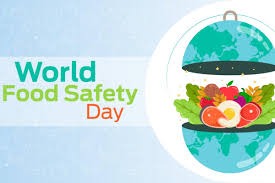
On World Food Safety Day 2026, global health experts are highlighting the dangers of common food hygiene myths. With unsafe food causing millions of illnesses annually, authorities urge consumers to abandon practices like washing raw poultry or using the "five-second rule" to ensure safer meals and improved public health.
NEW DELHI — Today, June 7, 2026, marks the annual observance of World Food Safety Day, an initiative led by the World Health Organization (WHO) and the Food and Agriculture Organization (FAO). Under the 2026 theme, "From burden to solutions - safe food everywhere," the global health community is intensifying efforts to address the millions of foodborne illnesses that occur annually. In India, public health experts are using this occasion to challenge widespread misconceptions that frequently lead to preventable contamination in the home.
The initiative highlights a critical public health reality: the World Health Organization estimates that contaminated food results in approximately 866 million illnesses and 1.52 million deaths worldwide each year. As food supply chains become increasingly complex, officials emphasize that food safety is a shared responsibility, requiring vigilance from farm to table.
Debunking Everyday Food Safety Myths
Despite advancements in food science, many households continue to follow traditional habits that may actually increase the risk of bacterial growth or cross-contamination. According to international safety guidelines, here are five common myths that need to be corrected:
1. The "Look and Smell" Test
Many consumers believe they can detect contaminated food by its appearance or odor. Official food safety bodies clarify that most pathogens responsible for food poisoning do not alter the look, taste, or smell of the food. Relying on these senses can lead to the consumption of dangerous, contaminated items.
2. The "Five-Second Rule"
The widely held belief that food dropped on the floor is safe if picked up within five seconds is an urban myth. Microorganisms can transfer to food surfaces almost instantaneously upon contact. Picking it up quickly offers no guaranteed protection against immediate contamination.
3. Washing Raw Poultry
A common kitchen practice in many households is washing raw chicken or other poultry under running water. Food safety regulators advise against this, as the splashing water can spread harmful bacteria, such as Salmonella, onto nearby surfaces, utensils, and other ingredients, leading to cross-contamination.
4. Thawing Food at Room Temperature
Allowing frozen food to thaw on the kitchen counter is a significant safety risk. The outer layers of the food can enter the "danger zone"—the temperature range where bacteria multiply rapidly—while the center remains frozen. Safe practice dictates thawing food inside a refrigerator or using cold water.
5. Refrigeration of Leftovers
There is a common misconception that leftovers can be safely kept at room temperature for several hours. According to global health standards, food becomes unsafe if left out for more than two hours. To maintain safety, leftovers should be stored in airtight containers and refrigerated promptly.
Quote Section
"According to officials at the WHO, unsafe food contaminated with harmful bacteria, viruses, parasites, or chemical substances can cause more than 200 different diseases," emphasizing that access to safe and nutritious food is fundamental to public health. Organizers stated that the 2026 theme, "From burden to solutions," focuses on applying science-based innovations to protect the global food supply chain.
Why It Matters
Foodborne diseases impose a significant socio-economic burden, with an estimated $310 billion lost annually in productivity and medical expenses. For households, debunking these myths is a practical step toward reducing the risk of illness. For the food industry, strict adherence to evidence-based safety standards is vital for supporting human health, safe trade, and sustainable development. By shifting away from long-held misconceptions, consumers can play a direct role in strengthening the safety of the entire food system.
Key Facts at a Glance
Annual Impact: Nearly one in nine people globally fall ill annually due to contaminated food.
Vulnerable Groups: Children under five years of age experience a disproportionate 29% of the health burden related to unsafe food.
Preventive Action: Simple habits like proper refrigeration, thorough handwashing, and avoiding cross-contamination are the most effective barriers to foodborne disease.
Shared Responsibility: Safety starts from agricultural production and processing, continuing through transport and finally at the consumer’s kitchen table.
FAQ
Can hand sanitizing gel replace soap and water before eating?
No. While sanitizing gel is useful for a quick refresh, it is not a complete substitute for thorough washing with soap and water, which is necessary to remove physical contaminants.
Do organic fruits and vegetables require less washing?
No. All produce, including organic, should be washed with clean, running water to remove potential contaminants or residues from naturally derived pesticides.
Does food poisoning always show symptoms within hours?
No. Depending on the pathogen involved, symptoms may take anywhere from a few hours to several weeks to appear.
Why is science-based food safety important today?
As supply chains become more interconnected, scientific evidence—such as advanced authentication techniques—is required to detect sophisticated food adulteration and prevent the spread of emerging pathogens.
Official Sources