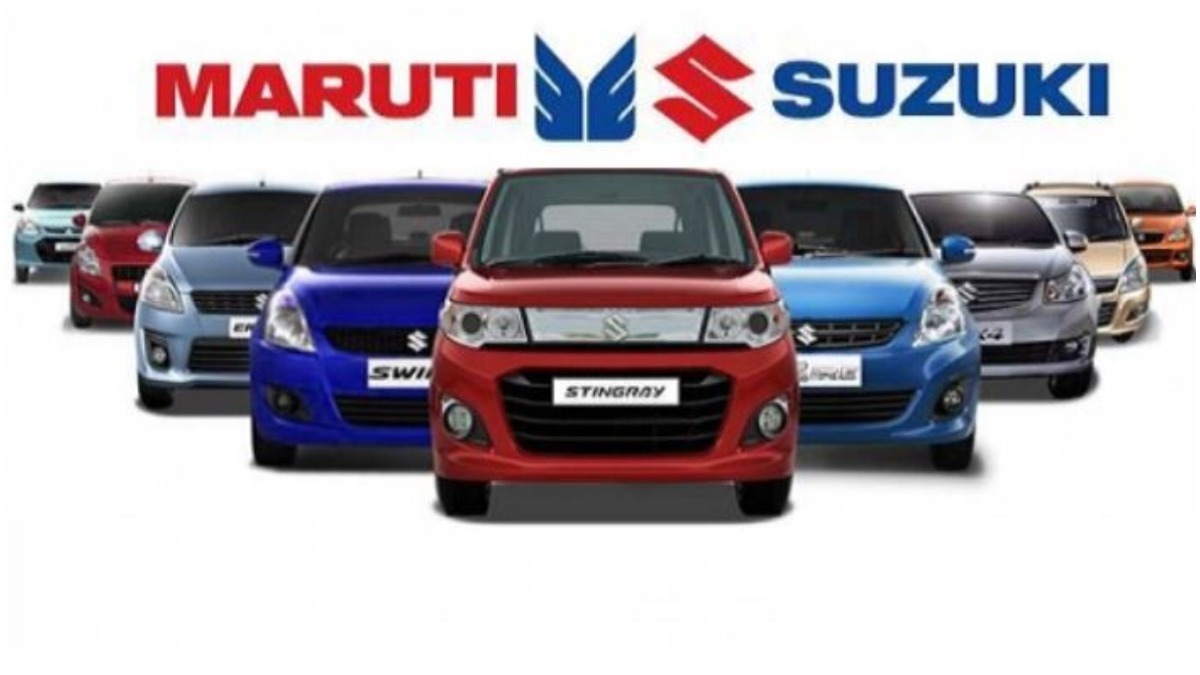
Maruti Suzuki India Limited (MSIL), the country’s largest carmaker, has witnessed a gradual decline in its market share over the past five years, a trend closely analyzed by global brokerage Nomura. While the company remains a dominant force in the Indian auto industry, shifting consumer pr...
Maruti Suzuki India Limited (MSIL), the country’s largest carmaker, has witnessed a gradual decline in its market share over the past five years, a trend closely analyzed by global brokerage Nomura. While the company remains a dominant force in the Indian auto industry, shifting consumer preferences, slowing income growth, and rising competition have contributed to sustained market share pressure.
Key Factors Behind Maruti Suzuki’s Market Share Decline
Erosion In The Entry-Level Car Segment
Nomura cites the entry-level car segment as the most impacted category for Maruti Suzuki, with market share erosion primarily driven by changing consumer behavior. Higher price sensitivity, aided by slower income growth among the target consumer base, has led to reduced demand in this segment.
Rising Preference For SUVs And Feature-Rich Vehicles
The growing consumer appetite for SUVs is a pivotal trend altering India’s passenger vehicle market dynamics. Maruti Suzuki’s small cars, once the bread and butter of its portfolio, face stiff competition from new-age SUVs offering enhanced features and perceived value.
Cost Burden Beyond Upfront Price
The decline is also attributed to broader ownership costs—including fuel, parking, tolls, and maintenance—making car ownership less attractive for price-conscious buyers in entry segments.
Strategic Price Cuts And Their Implications
In efforts to reclaim lost ground, Maruti Suzuki implemented aggressive price cuts, including a significant reduction in models like the Brezza SUV, aimed at maintaining competitiveness against rivals such as Hyundai and Mahindra & Mahindra. However, these measures have near-term margin impacts and risks of inventory losses.
Impact On Financial Performance
Nomura highlights that while these price cuts might boost volumes and market share, they come at the cost of reduced average selling prices (ASPs) and compressed operating margins, with an estimated 100 basis points near-term margin impact.
Market Performance And Stock Movement
Despite these challenges, Maruti Suzuki shares have delivered returns outperforming the broader Nifty50 index but lagging behind the high-performing Nifty Auto index. The stock reflects resilience amid evolving market conditions.
Outlook On Recovery And Growth
Nomura forecasts a modest 9% year-on-year sales volume growth for FY26 with gradual recovery in the small car segment expected post the Goods and Services Tax (GST) rate cuts. However, fundamental challenges related to consumer income and changing preferences remain hurdles.
Industry And Competitive Landscape
Maruti Suzuki faces escalating competition from both well-established players and emergent SUV-centric brands.
Competitors benefiting from localized product offerings and pricing strategies are gaining traction in the entry and compact segments.
GST reforms lowering effective prices on smaller cars might incentivize demand but require time to translate into substantial market share gains.
Strategic Responses And Future Prospects
Maruti Suzuki is focusing on rolling out refreshed products like the Victoris SUV and Grand Vitara, strengthening dealership networks especially in tier-2 and tier-3 cities, and boosting marketing efforts to appeal to rural and new customers.
Conclusion
Nomura’s analysis of Maruti Suzuki’s market share decline over five years reflects a complex interplay of consumer shifts, economic factors, and competitive dynamics. While aggressive pricing and new launches aim to reclaim lost ground, sustained efforts are required to adapt to evolving market preferences.
Maruti’s journey underscores the imperative for continuous innovation, pricing discipline, and market responsiveness to maintain leadership in India’s vibrant and rapidly changing automobile sector.
Sources: Business Standard, Economic Times, Nomura Research Reports, ET Now, Financial Express, Moneycontrol.