Medicover India will change its corporate name following regulatory clearance of its $1.39 billion acquisition by private equity giant KKR. The healthcare operator has outlined plans to scale occupied capacity to 4,000 beds and achieve portfolio-wide financial break-even across all its hospital facilities over the next 18 months.
MUMBAI / HYDERABAD — Multi-speciality healthcare operator Medicover India will change its corporate and brand identity following regulatory clearance of its acquisition by global private equity firm KKR & Co. (NYSE: KKR). Outlining its near-term operational roadmap in an executive interview on Wednesday, hospital management announced strategic plans to boost active operational capacity to 4,000 occupied beds and achieve portfolio-wide operational break-even across all clinical facilities over the next 18 months, accelerating consolidation in India's tertiary healthcare sector.
Brand Transition and Post-Acquisition Regulatory Integration
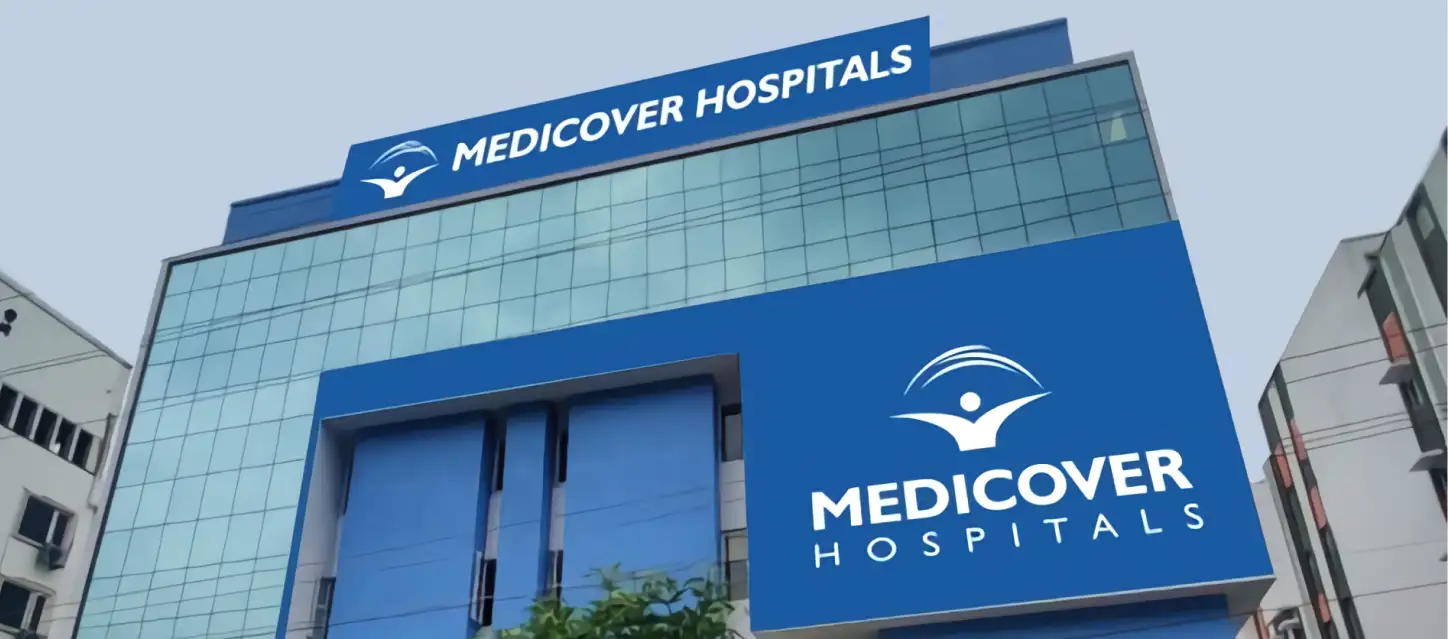
The planned corporate rebranding follows definitive transaction agreements under which KKR agreed to acquire the Indian hospital network of Stockholm-headquartered Medicover AB in a transaction valuing the business at approximately €1.2 billion ($1.39 billion). As the Swedish healthcare group divests its Indian holdings to refocus capital on European markets like Poland, Germany, and Romania, the Indian operating entity will transition away from the Medicover moniker once statutory approvals from the Competition Commission of India (CCI) and other regulatory bodies are secured.
Executive leadership confirmed that the rebranding will reflect the platform's expanded domestic mandate under KKR’s ownership. The buyout firm plans to integrate clinical governance, scale physician recruitment, and modernize hospital infrastructure across the chain's regional network without disrupting active patient care services.
Capacity Scaling and 18-Month Operational Break-Even Target
Medicover India operates a network of approximately 24 multi-speciality hospitals encompassing roughly 4,800 licensed beds across southern and western India, notably in Andhra Pradesh, Telangana, and Maharashtra. Under its 18-month execution strategy, the hospital chain aims to optimize capacity utilization by expanding operational and occupied beds to 4,000.
Management is targeting financial break-even across all newer and mature clinical units within the same 18-month timeframe. The operational turnaround strategy focuses on driving clinical specialization in oncology, cardiology, neurosciences, and orthopaedics, streamlining procurement across medical consumables, and shortening the ramp-up cycle for newer hospital wings.
Market Dynamics and Healthcare Consolidation in India
The development comes amid intense institutional investment and private equity consolidation across India’s hospital sector. With rising health insurance penetration and expanding demand for tertiary medical services across Tier-1 and Tier-2 cities, major private equity funds are scaling multi-regional healthcare networks:
Patient Care Impact: Expanded bed utilization and specialized tertiary care units improve regional access to advanced surgical and diagnostic capabilities.
Operational Efficiencies: Standardizing procurement and operational protocols under institutional ownership reduces operating cost structures while supporting faster clinical turnaround times.
Investor Sentiment: Hospital assets demonstrating clear pathways to portfolio-level break-even remain attractive targets for long-term private capital in high-growth emerging markets.
Official Sources
According to corporate disclosures and regulatory filings submitted by KKR & Co. to the U.S. Securities and Exchange Commission (SEC) and public notices by Medicover AB to the Nasdaq Stockholm Exchange, the acquisition remains subject to customary closing conditions and clearance by the Competition Commission of India (CCI).
Quote Section
"According to company executives, the change in corporate identity will take effect following regulatory clearances, aligning the hospital network with its next phase of clinical and geographic growth under KKR's platform."
"Executive disclosures confirmed that the immediate operational mandate focuses on scaling occupied bed capacity to 4,000 and achieving financial break-even across all hospital facilities within the next 18 months."
Why It Matters
Private equity capital injection and operational restructuring are reshaping India's regional healthcare distribution. By targeting an 18-month turnaround to full break-even alongside capacity expansion to 4,000 beds, the restructured hospital network will enhance specialized medical access in high-demand micro-markets while setting a benchmark for post-acquisition integration in the healthcare services industry.
Key Facts at a Glance
Transaction: Acquisition of Medicover India by KKR in a €1.2 billion ($1.39 billion) deal.
Rebranding Plan: Official company name change to be executed post-regulatory approval.
Operational Target: Boosting occupancy and operational capacity to 4,000 beds within 18 months.
Financial Goal: Portfolio-wide hospital break-even targeted within the next 18 months.
Footprint: 24 hospital network across southern and western India.
Frequently Asked Questions (FAQ)
Why is Medicover India changing its corporate name?
The name change is part of the corporate transition following the acquisition of Medicover AB’s Indian hospital business by private equity firm KKR, which will be implemented once regulatory approvals are completed.
What is the capacity expansion target for the hospital chain?
The company is targeting to boost active capacity to 4,000 occupied beds across its network over the next 18 months.
When does the network expect to achieve break-even across all units?
Hospital management has outlined an 18-month roadmap to achieve operational and financial break-even across all hospital locations through improved occupancy and high-speciality care delivery.
Sources: U.S. Securities and Exchange Commission (SEC), Competition Commission of India (CCI), Medicover AB Corporate Relations, and KKR & Co. Newsroom.