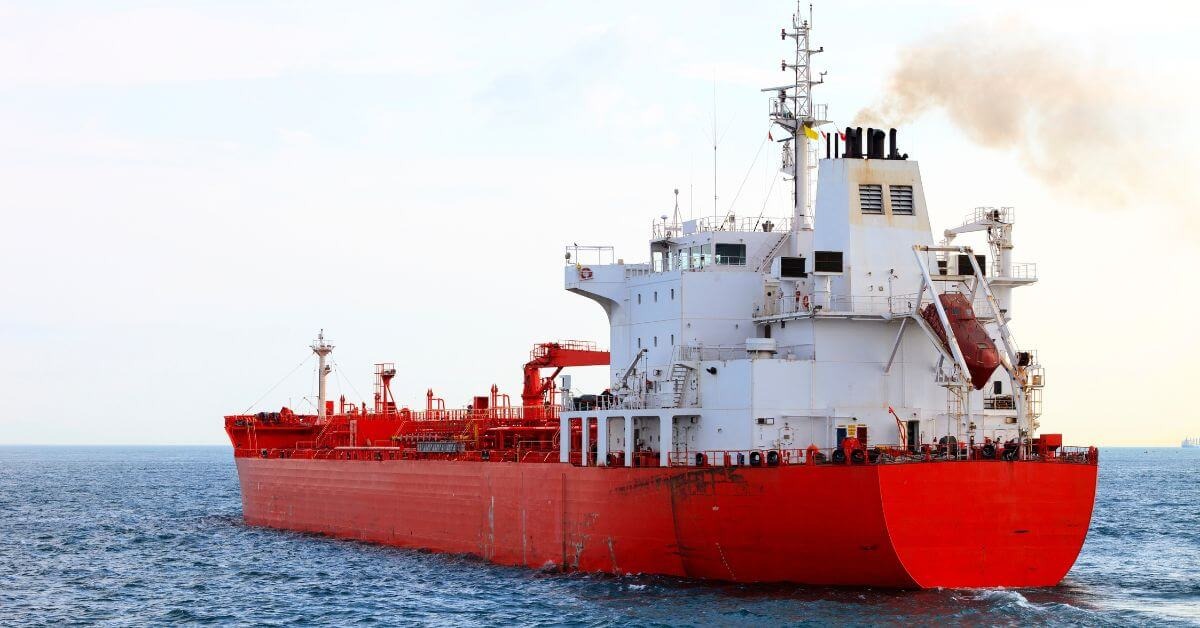
Yemen's Houthi movement claimed responsibility for a missile attack targeting a Saudi oil tanker off the Red Sea port city of Yanbu. The incident heightens security concerns across critical Middle Eastern energy corridors, impacting international shipping routes and global market stability.
Yemen's Houthi movement stated that its forces targeted a Saudi oil tanker with missiles off the Red Sea port city of Yanbu, escalating maritime security risks.
Overview of the Red Sea Tanker Incident
SANAA/DUBAI — Yemen’s Iran-backed Houthi rebels announced that their military forces successfully targeted a Saudi oil tanker in the northern Red Sea off the coast of the Saudi industrial and port city of Yanbu. According to a broadcast statement issued by Houthi military spokesperson Yahya Saree, the operation utilized multiple ballistic missiles as part of an expanding campaign targeting commercial shipping lanes linked to Saudi Arabia.
The incident marks a continuation of heightened hostilities across vital Middle Eastern maritime corridors. With disruptions already affecting traffic near the Strait of Hormuz, these persistent strikes targeting Saudi infrastructure and vessels near key export hubs like Yanbu have amplified concerns over international energy logistics and global crude oil supply stability.
Regional Logistics and Energy Market Impact
The Red Sea and the Bab el-Mandeb strait serve as critical arteries for international commerce, carrying a substantial share of global container traffic and petroleum shipments moving between Asia, Europe, and North America. Following the recent surge in attacks, several shipping operators and energy firms have reassessed transit schedules, prompting increased insurance risk premiums and temporary route alterations.
For international energy markets, investors, and industrial consumers, repeated security threats near primary export terminals threaten to bottleneck critical petroleum flows. Analysts note that alternate overland pipeline routes feeding Red Sea ports are vital for circumventing Persian Gulf bottlenecks, making the security of terminals like Yanbu paramount for stable energy trade.
Official Sources Section
Details regarding the reported military action, maritime security alerts, and operational claims are based on official statements released by Houthi military spokespersons, regional monitoring updates, and incident logs compiled via the Associated Press (AP) and Anadolu Agency.
Quote Section
"According to official military statements released by Houthi spokespersons, forces executed targeted missile strikes against commercial oil shipping infrastructure off the Red Sea coast of Yanbu, reflecting an ongoing escalation in regional maritime hostilities."
Why It Matters
The escalation of hostilities in the Red Sea directly threatens global supply chain continuity and energy price stability. As vital shipping lanes face persistent security risks, international trade faces compounding pressures that affect everything from maritime transport costs to consumer fuel prices worldwide.
Key Facts at a Glance
Incident Location: Northern Red Sea, specifically off the coast of Saudi Arabia's port city of Yanbu.
Target Category: Commercial oil tankers utilizing vital Red Sea export infrastructure.
Attribution: Claimed directly by Houthi military spokespersons via official communications.
Wider Context: Compounds international shipping pressures alongside ongoing disruptions in Middle Eastern trade corridors.
FAQ Section
What did Houthi spokespersons claim regarding the Yanbu incident?
Houthi military representatives stated that their forces carried out a missile strike targeting a Saudi oil tanker operating off the coast of Yanbu in the Red Sea.
Why is the port of Yanbu critical to energy transport?
Yanbu serves as a vital western terminal for Saudi crude oil exports, utilized heavily as an alternative route when Persian Gulf transit corridors face security disruptions.
How are international shipping markets reacting to Red Sea tensions?
Vessel operators, insurers, and logistics firms are closely monitoring security updates, prompting heightened caution, route evaluations, and potential transit delays across the region.
Where can official updates on maritime security be tracked?
Official safety alerts and incident reports are regularly updated through international monitoring desks such as the United Kingdom Maritime Trade Operations (UKMTO) and verified news wire services.
Source: Associated Press, Anadolu Agency, Reuters