The Indian Rupee rose 0.48 percent to open at 94.92 against the US Dollar on August 5, 2026, advancing from its previous close of 95.3775. The currency recovery was supported by foreign institutional inflows, stable crude oil prices, and Dollar Index moderation, offering relief to domestic importers and corporate treasuries.
MUMBAI — The Indian Rupee opened significantly stronger against the US Dollar on Wednesday, August 5, 2026, advancing 0.48 percent in early interbank foreign exchange operations. The domestic currency surged to 94.92 per US Dollar at the opening bell, gaining 0.4575 rupees over its previous official close of 95.3775 per dollar.
The early morning gains reflect positive investor sentiment across Asian currency markets, driven by consistent domestic equity inflows and stable monetary conditions monitored by the central bank. Currency traders noted that the initial rebound provides key short-term relief for Indian importers following recent sessions of foreign exchange consolidation.
Interbank Foreign Exchange Dynamics and Market Rebound
The Indian Rupee demonstrated strong upward momentum right from the start of Wednesday's interbank trading window in Mumbai. After closing at 95.3775 in the prior session, the local unit opened at 94.92 per US Dollar, marking a daily gain of 0.48 percent.
Market participants attributed the initial strengthening of the Indian Rupee to multiple macroeconomic factors:
Foreign Institutional Portfolio Flows: Continued capital allocation into Indian equity and debt instruments provided strong underlying demand for the local currency.
Global Dollar Index Consolidation: The US Dollar Index experienced modest profit-taking across Asian trading hours, allowing emerging market currencies to recover lost ground.
Crude Oil Price Stability: Softening global energy prices reduced foreign currency demand from domestic state-run oil refining companies.
According to preliminary exchange data, the currency pair maintained a stable bid-ask range following the opening bell as commercial banks adjusted their spot pricing desks.
Central Bank Reserve Position and Policy Oversight
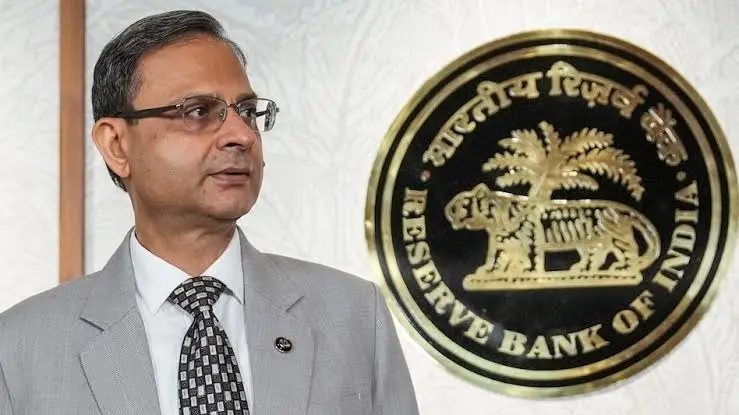
The currency movement comes amid close monitoring by financial authorities and exchange desks. Official reference rates and reserve liquidity management remain under the regulatory framework of the Reserve Bank of India.
The central bank regularly assesses foreign exchange market volatility to ensure orderly trading conditions without targeting specific exchange rate levels. India's foreign exchange reserves continue to offer significant cushion against external shocks, allowing the interbank market to absorb short-term global currency fluctuations smoothly.
Impact on Businesses, Importers, Investors, and Consumers
The 0.48 percent appreciation of the Indian Rupee carries tangible economic implications across multiple sectors of the domestic economy:
Importers and Refiners: A stronger Indian Rupee lowers the landed cost of imported commodities, particularly crude oil, electronic equipment, and industrial machinery, helping reduce input costs for domestic manufacturers.
Exporters: Indian software services, textile, and pharmaceutical exporters may observe marginal changes in localized revenue realization when converting dollar-denominated contracts back into rupees.
Foreign Investors: Global institutional investors benefit from exchange-rate stabilization, as a firmer Indian Rupee mitigates currency conversion losses on capital invested in Indian asset classes.
Consumers and Travelers: Families financing international education, overseas travel, or foreign remittances experience slight cost reductions due to the favorable shift in conversion rates.
Official Sources Section
Foreign exchange opening indicators, interbank spot rates, and historical reference rates were recorded according to regulatory statistics published by the Reserve Bank of India and clearing data from the Foreign Exchange Dealers' Association of India (FEDAI).
Quote Section
According to currency market strategists and treasury analysts, the initial strength in the local unit represents a healthy technical adjustment following recent sessions of range-bound trading.
Treasury Desk Analysts stated:
"The early morning strength in the Indian Rupee reflects immediate dollar supply from institutional inflows alongside soft international crude trends. The move back below the 95.00 mark establishes a firmer footing for spot trading ahead of upcoming macro announcements."
Why It Matters
The opening strength of the Indian Rupee reinforces domestic macroeconomic stability at a time when global financial markets are closely evaluating interest rate trajectories and trade balances. For corporate treasuries, the currency's recovery below the 95.00 threshold alters short-term hedging strategies for dollar-denominated debt and import commitments. For domestic policy makers, currency stability helps keep imported inflation under control, supporting broader economic expansion.
Key Facts at a Glance
Opening Exchange Rate: The Indian Rupee opened at 94.92 against the US Dollar on August 5, 2026.
Percentage Gain: The domestic currency advanced 0.48 percent in early interbank trade.
Previous Closing Level: The currency had closed at 95.3775 per US Dollar in the preceding trading session.
Absolute Recovery: The Indian Rupee gained 0.4575 rupees against the greenback at the morning opening bell.
Market Drivers: Growth was driven by foreign equity inflows, dollar index moderation, and stable crude oil import demand.
Frequently Asked Questions (FAQ)
Q1: What was the opening exchange rate of the Indian Rupee on August 5, 2026?
The Indian Rupee opened at 94.92 per US Dollar on August 5, 2026, marking a 0.48 percent gain over its previous close.
Q2: What was the previous closing price of the Indian Rupee against the US Dollar?
The Indian Rupee recorded a previous close of 95.3775 against the US Dollar before opening higher on Wednesday.
Q3: Why did the Indian Rupee strengthen in early morning trade?
The Indian Rupee strengthened due to a combination of foreign portfolio inflows, easing international crude oil prices, and dollar profit-taking across Asian markets.
Q4: How does a stronger Indian Rupee affect domestic inflation?
A stronger Indian Rupee reduces the cost of importing foreign goods and raw materials, helping curb imported inflation across key consumer sectors.
Source: Reserve Bank of India, Foreign Exchange Dealers' Association of India (FEDAI), National Stock Exchange of India (NSE)