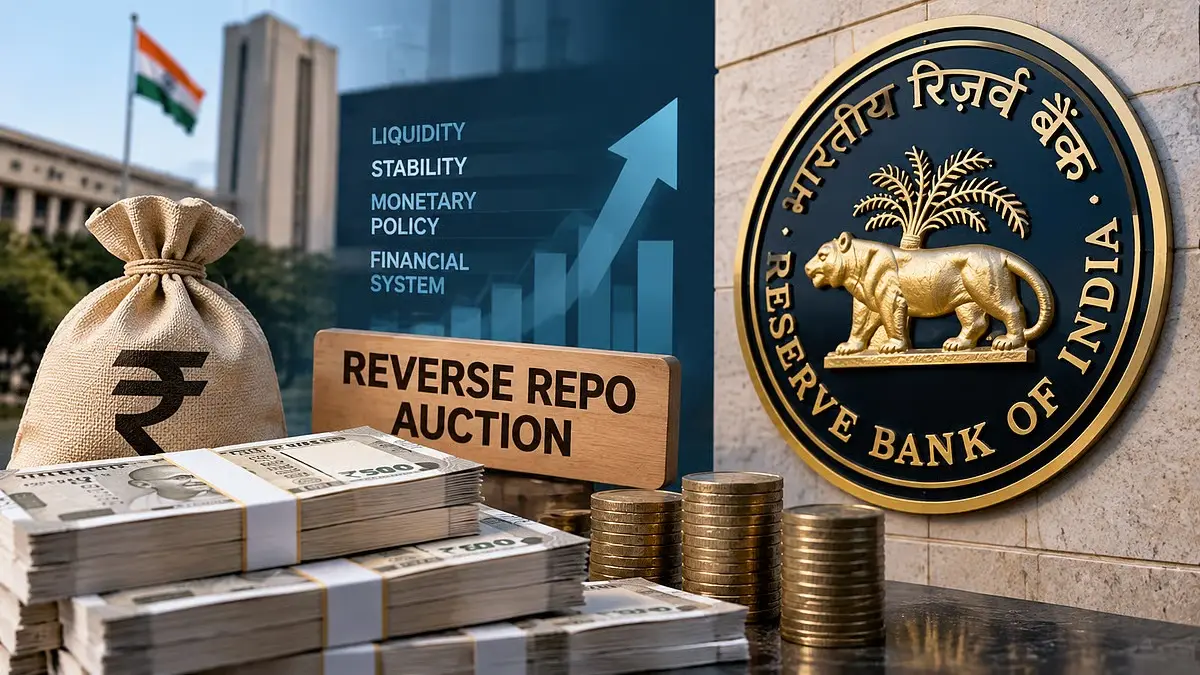
Bank of Baroda announced that its divestment of National Stock Exchange (NSE) shares via the upcoming NSE IPO is expected to complete by September 2026. Disclosed through official regulatory filings, the strategic asset monetization aims to boost non-interest income and strengthen the public sector lender's capital adequacy ratios.
Bank of Baroda announced that its strategic divestment of shares in the National Stock Exchange (NSE) is expected to complete by the end of September 2026.
Mumbai-based public sector lender Bank of Baroda announced through official regulatory disclosures in September 2026 that its planned divestment of equity shares in the National Stock Exchange (NSE) via the upcoming NSE initial public offering (IPO) is on track for completion before the end of the month. The financial institution holds a substantial equity stake in the country's premier stock exchange, and unlocking this investment forms part of the bank's core strategy to monetize non-core assets, strengthen capital adequacy ratios, and optimize portfolio returns for shareholders.
Strategic Asset Monetization and Capital Optimization
According to official stock exchange filings submitted under SEBI guidelines, Bank of Baroda's management has finalized participation modalities for the much-anticipated NSE public offering. State-owned lenders and legacy financial institutions hold minority equity blocks acquired decades ago, and public listing mechanisms provide a transparent valuation benchmark.
Management noted that the proceeds from the share sale will be funneled back into core lending operations, supporting retail and corporate credit growth while fortifying provisions against potential market volatility. Financial analysts project that monetizing mature equity investments allows public sector banks to generate substantial non-interest income during the second quarter of fiscal 2027.
Market Context and Investor Impact
For institutional investors, retail shareholders, and market analysts, the monetization of non-core equity holdings represents a prudent approach to balance sheet management. The National Stock Exchange public listing stands as one of the most significant capital market events of the year, drawing intense interest from domestic mutual funds and foreign portfolio investors. Bank of Baroda's execution of the share sale highlights the growing momentum among institutional stakeholders to unlock hidden value from long-held unlisted investments.
Official Sources Section
Details concerning the share divestment and timeline are based on official stock exchange disclosures, regulatory filings submitted under Regulation 30 of the SEBI (Listing Obligations and Disclosure Requirements) Regulations, 2015, and corporate statements released by Bank of Baroda.
Quote Section
According to officials, the divestment of NSE shares through the upcoming public offering aligns with the bank's strategic objective to monetize non-core assets and strengthen capital reserves.
Why It Matters
Monetizing non-core equity investments generates substantial capital gains, boosting the bank's overall profitability and capital adequacy. For investors, the cash inflow enhances balance sheet strength and supports future lending expansion across key economic sectors.
Key Facts at a Glance
Bank of Baroda expects to complete its divestment of National Stock Exchange (NSE) shares by September 2026.
The share sale will be executed through the upcoming NSE initial public offering (IPO).
The transaction involves monetizing legacy equity holdings to optimize the bank's capital structure.
Regulatory disclosures regarding the timeline were submitted to Indian stock exchanges in September 2026.
FAQ Section
How is Bank of Baroda divesting its shares in the National Stock Exchange?
The bank is divesting its equity holding through the upcoming NSE initial public offering (IPO).
When is the divestment expected to be completed?
Bank of Baroda announced that the transaction is expected to complete by the end of September 2026.
What is the primary financial benefit of this share sale?
It allows the bank to monetize a non-core asset, generating capital gains that strengthen its balance sheet and support core lending operations.
Source: National Stock Exchange of India, BSE India, Bank of Baroda Investor Relations