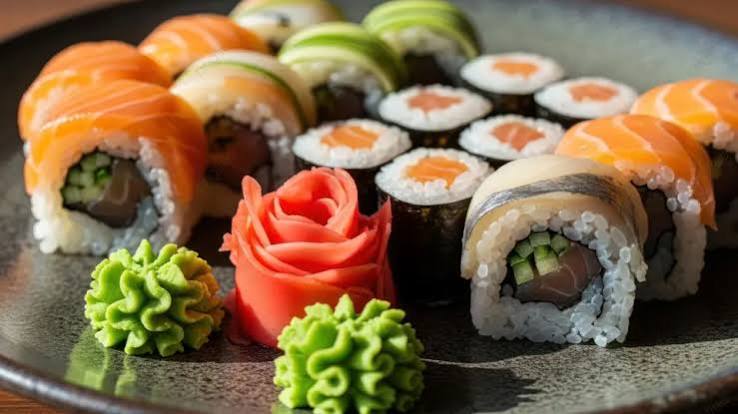
India's sushi sector is experiencing robust growth, driving a corresponding surge in demand for pickled ginger, or gari. As Japanese cuisine gains popularity in major cities, both imported and high-quality domestic pickled ginger are becoming essential items, reflecting a broader trend toward international and refined culinary experiences in India.
MUMBAI – India’s rapidly expanding appetite for sushi and Japanese cuisine is driving a significant shift in food import trends, with distributors reporting a surge in demand for pickled ginger, known as gari. As sushi transitions from a luxury novelty to a mainstream dining staple in metropolitan hubs, the once-niche condiment has become a critical requirement for restaurants and home consumers alike.
Data indicates that the Indian sushi market is projected to grow at a steady annual rate, with the restaurant segment alone expected to reach over USD 1.2 billion by 2033. This growth, characterized by an increasing number of Japanese dining establishments in cities like New Delhi, Mumbai, and Bengaluru, has created a reliable demand stream for authentic, high-quality gari.
Culinary Sophistication and Palate Cleansing
The rise of sushi in India is part of a broader shift in consumer behavior, where well-traveled urban diners are increasingly seeking out authentic international flavors. Industry experts note that the rising popularity of sushi—driven by its perception as a clean, healthy, and sophisticated meal—has naturally elevated the status of its traditional accompaniments.
"Sushi has evolved from a niche luxury item into a widely accepted dining option," according to market analysts tracking the sector. As restaurants focus on providing authentic experiences, the demand for gari has moved in tandem. Beyond its traditional role as a palate cleanser between bites, gari is increasingly being utilized by chefs in fusion dishes and gourmet home-cooking, further diversifying its market presence.
Filling the Gap: Domestic Innovation Meets Imports
While import volumes of specialized Japanese condiments have climbed to meet the needs of upscale restaurants, the domestic market is also responding. Local brands are beginning to produce high-quality, dye-free pickled ginger, catering to health-conscious Indian consumers who prioritize natural ingredients. These domestic products, marketed as vegan, gluten-free, and preservative-free alternatives, are gaining traction as they offer the same "zing" of traditional Japanese gari at accessible price points.
This dual-track growth—a rise in premium imports for high-end dining and the emergence of locally produced gourmet condiments—reflects the complex evolution of the Indian culinary landscape in 2026.
Official Sources
Information regarding the market trends and sushi sector growth is based on industry outlooks from deep market insights and recent food-trend reports. Trade data regarding ginger as an agricultural commodity reflects broader market conditions monitored by global trade platforms, which highlight the steady industrial demand for ginger across various food processing sectors.
Why It Matters
The surge in demand for sushi and its essential accompaniments underscores a maturing Indian palate that is increasingly integrated with global dining trends. For the supply chain, this represents a transition from raw agricultural commodity trade to higher-margin, value-added product categories, signaling a broader opportunity for processors and importers to capitalize on the premiumization of the Indian food market.
Key Facts at a Glance
Market Growth: The India sushi restaurants market is forecasted to expand at a CAGR of 5.38% between 2026 and 2033.
Rising Popularity: An estimated 600 Japanese restaurants are currently operating across India, with significant clusters in metro cities.
Consumer Trends: Increasing health consciousness and global exposure are the primary drivers shifting dining habits toward lighter, international cuisines.
Product Evolution: The market is diversifying with both authentic imported gari and locally crafted, preservative-free pickled ginger variants.
Frequently Asked Questions
Why is pickled ginger, or gari, essential for sushi?
Traditionally, gari is served to cleanse the palate between different types of sushi, allowing diners to fully appreciate the unique flavors of each piece.
Is the sushi market in India growing?
Yes, sushi is one of the fastest-growing food trends in India, with its market size projected to reach USD 1.26 billion by 2033.
Are there Indian-made versions of sushi ginger?
Yes, several domestic brands are producing authentic-style pickled ginger that avoids artificial dyes and preservatives, catering to the growing health-conscious demographic.
Source: Restaurant India, Deep Market Insights, Mummy's Magic, Commodity Board