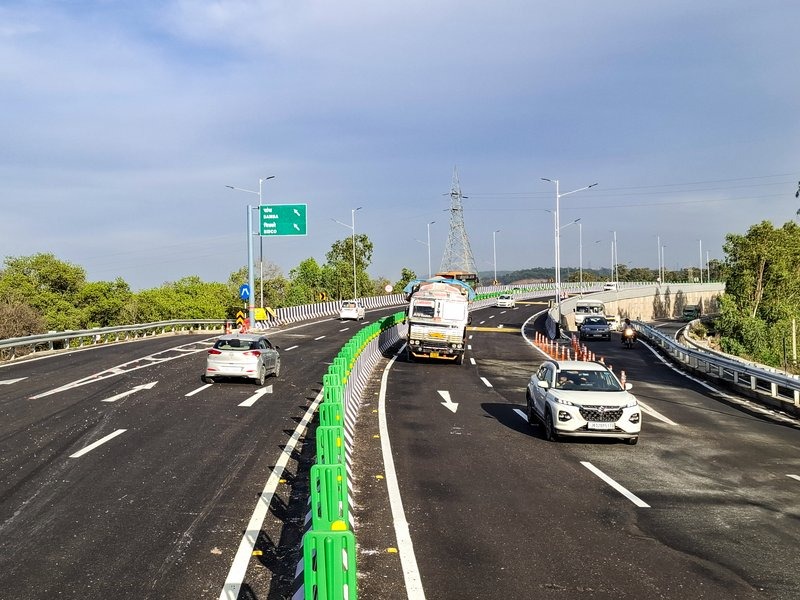
Transportation experts at an International Road Federation event in New Delhi called for urgent adoption of low-cost engineering solutions—including 30 km/h urban speed zones, raised pedestrian crossings, and improved lighting. Experts noted that such tactical interventions can cut urban traffic crashes by up to 80 percent rapidly and affordably.
NEW DELHI, July 25, 2026 — Eminent transportation experts and urban safety researchers on Friday urged municipal authorities and transport planners across India to adopt immediate, low-cost engineering interventions to address the nation's severe road safety crisis. Speaking at a national lecture organized by the India Chapter of the International Road Federation (IRF) in New Delhi, specialists emphasized that affordable, evidence-based solutions can reduce city road crashes by up to 80 percent without requiring major capital investments.
The policy plea arrives amid growing urban road fatalities across metropolitan hubs, where rapid vehicular expansion continues to outpace existing municipal road infrastructure.
Tactical Interventions vs. Heavy Infrastructure
Addressing the conference, Prof. Geetam Tiwari, Emeritus Professor at the Transportation Research and Injury Prevention Programme (TRIPP) at IIT Delhi, highlighted that major infrastructure upgrades such as flyovers and elevated corridors often fail to solve core pedestrian and local traffic hazards.
Instead, experts advocated for tactical engineering modifications that can be deployed rapidly at a fraction of standard construction costs:
Speed Management: Establishing strictly enforced 30 km/h low-speed zones in residential neighbourhoods and school districts.
Pedestrian Protection: Installing raised zebra crossings, median refuge islands on wide avenues, and curb extensions (bulb-outs) to shorten crossing distances.
Traffic Calming: Introducing natural speed reducers such as lane narrowing, chicanes, and mini-roundabouts at unsignalized intersections.
Visibility Upgrades: Applying high-grade retro-reflective road markings and improved street lighting to prevent night-time collisions.
| Engineering Solution | Primary Target Benefit | Estimated Crash Reduction | Implementation Timeline |
| Raised Pedestrian Crossings | Pedestrian safety & speed reduction | Up to 40% | Days to Weeks |
| Mini-Roundabouts | Intersection conflict point elimination | 50% to 80% | Weeks |
| 30 km/h Urban Speed Zones | Vulnerable road user protection | Significant fatality drop | Days (Signage + Enforcement) |
| Retro-reflective Road Markings | Night-time lane discipline & visibility | 20% to 30% | Days |
Institutional Bottlenecks Hindering Implementation
IRF President Emeritus K. K. Kapila noted during the symposium that most urban crashes occur due to routine design deficiencies on ordinary municipal roads operating under standard traffic speeds, rather than high-speed motorways alone.
However, experts cited systemic hurdles preventing local administrations from deploying these solutions, including:
Agency Fragmentation: Overlapping jurisdictions between municipal corporations, public works departments (PWD), traffic police, and urban development authorities.
Data Gaps: Lack of precise micro-level accident mapping to identify high-risk urban "black spots" for localized fixes.
Budgetary Misallocation: Preferential municipal spending on large-scale civil engineering projects over low-cost tactical safety retrofits.
Official Sources Section
According to official briefings released by the International Road Federation (IRF) India Chapter and urban safety researchers:
"Low-cost engineering measures such as roundabouts, raised pedestrian crossings, traffic-calming measures, improved street lighting, and safer intersection designs have been proven to reduce crashes by 20 to 80 percent, often at a fraction of the cost of major infrastructure projects." — K. K. Kapila, President Emeritus, International Road Federation.
In addition, data from the Ministry of Road Transport and Highways (MoRTH) indicates that urban road accidents account for a substantial share of total national road casualties, prompting central advisories for states to adopt the "4E" approach—Engineering, Enforcement, Education, and Emergency Care.
Why It Matters
Implementing affordable road safety fixes holds direct practical benefits across civil society and economic sectors:
Citizens and Commuters: Drastically lowers risk of injury or death for pedestrians, cyclists, and two-wheeler riders who represent the vast majority of urban road casualties in India.
Municipal Budgets: Allows city corporations to optimize public capital by addressing high-fatality locations immediately rather than waiting years for large-scale infrastructure funding.
Healthcare & Economy: Reduces the socio-economic burden on emergency healthcare systems and mitigates the massive economic loss—estimated at 3% of national GDP—caused by road traffic crashes annually.
Key Facts at a Glance
Proven Efficacy: Low-cost traffic engineering fixes can reduce urban road crashes by 20 to 80 percent.
Target Speed Limits: Experts advocate for 30 km/h low-speed zones in residential and educational sectors.
Pedestrian Focus: Measures such as curb extensions, raised crossings, and median islands significantly shorten pedestrian exposure to traffic.
Rapid Deployment: Tactical fixes can be executed in days or weeks compared to multi-year construction cycles for flyovers.
Frequently Asked Questions (FAQ)
What are low-cost road safety interventions?
Low-cost road safety interventions are low-budget, high-impact engineering changes—such as retro-reflective signage, raised zebra crossings, mini-roundabouts, and lane-narrowing—designed to calm traffic and reduce crash rates quickly.
Why are experts advocating 30 km/h speed zones in residential areas?
Studies show that pedestrian survival rates increase significantly when vehicular impact speeds remain below 30 km/h, making lower urban speed limits critical for protecting vulnerable road users in school and residential zones.
How do low-cost fixes compare to major infrastructure projects like flyovers?
While flyovers move high-speed vehicle traffic over specific junctions, low-cost engineering fixes directly address pedestrian safety, intersection conflict points, and speed management across ordinary city streets at a tiny fraction of the financial and time investment.
Source: Press Trust of India (PTI), International Road Federation (IRF) India Chapter, and Ministry of Road Transport and Highways.