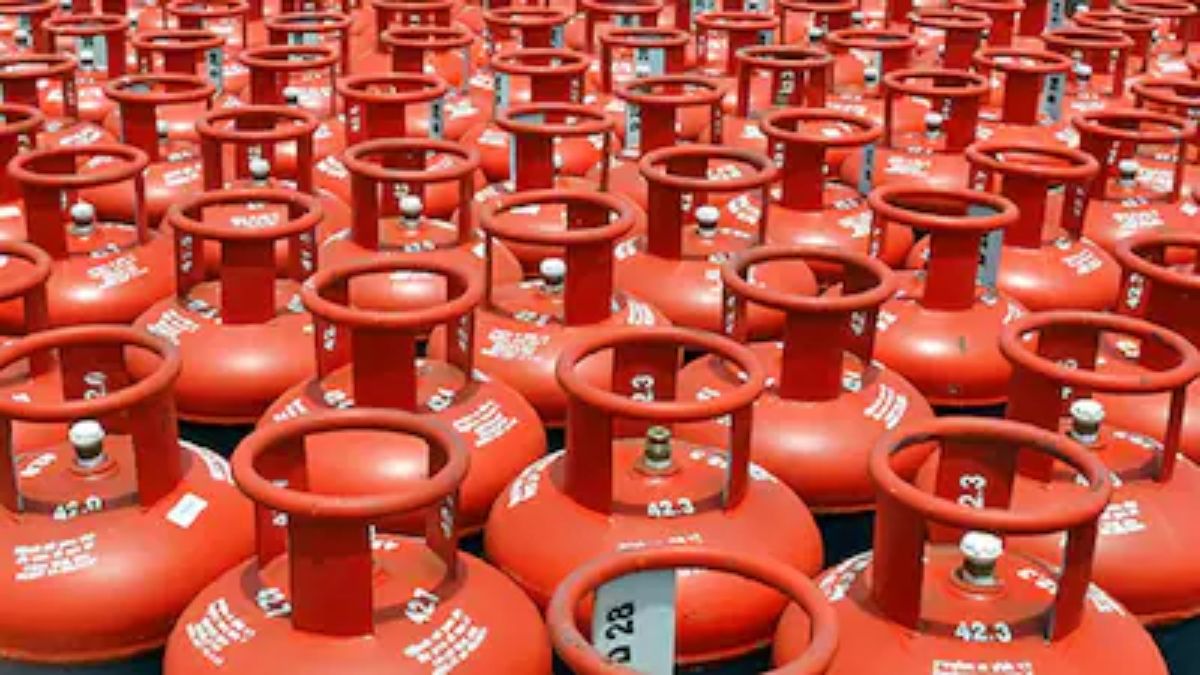
The Indian government announced that it absorbed an implicit subsidy exceeding Rs 700 per domestic LPG cylinder to protect consumers from extreme international price hikes caused by the West Asia crisis. Despite rising global benchmarks, retail rates were successfully stabilized at Rs 942 per cylinder.
The Indian government reports absorbing an implicit subsidy exceeding Rs 700 per LPG cylinder to safeguard domestic consumers from international price surges.
Amid unprecedented global energy market volatility triggered by geopolitical disruptions in West Asia, the Indian government confirmed on Thursday, July 23, 2026, that it successfully cushioned citizens from soaring import costs. In a written response presented in the Lok Sabha, Minister of State for Petroleum and Natural Gas Suresh Gopi stated that domestic 14.2 kg cooking gas cylinders carried an implicit subsidy (under-recovery) of more than Rs 700 per unit during June 2026. Despite international benchmarks reaching record highs due to supply constraints and the temporary tightening of regional trade corridors like the Strait of Hormuz, retail prices for households were kept strictly capped at Rs 942 per cylinder in New Delhi.
Surging International Benchmarks and Market Realities
According to data shared by the Ministry of Petroleum and Natural Gas, global pricing shifts directly impacted the cost of imported cooking gas.
Saudi Contract Price Spikes: The average Saudi Contract Price (Saudi CP)—the primary international benchmark for LPG pricing—surged significantly following the outbreak of the West Asia conflict, escalating to USD 780 per metric tonne in April and May, and climbing further to USD 796 per metric tonne in June 2026.
True Market Cost: Financial evaluations indicated that without state intervention, the market-determined retail price for a standard 14.2 kg domestic LPG cylinder would have touched approximately Rs 1,695 in June.
Targeted Ujjwala Relief: For over 10.5 crore vulnerable households connected via the Pradhan Mantri Ujjwala Yojana (PMUY), the effective price remains even lower at Rs 642 per cylinder in Delhi, factoring in an additional targeted subsidy of Rs 300 alongside the baseline implicit cushion.
Supply Chain Resilience and Fiscal Impact on OMCs
To prevent domestic shortages, the central government collaborated closely with public sector oil marketing companies (OMCs) to restructure supply logistics. Authorities successfully scaled up domestic LPG production from 34 thousand metric tonnes (TMT) per day to 54 TMT per day, diversified international import origins beyond traditional corridors, and optimized regional stock reallocations. Between March and June 2026, more than 56 crore cylinders were successfully distributed nationwide without disruption. However, absorbing these persistent cost differentials has created substantial financial strain, pushing the accumulated under-recoveries of state-run OMCs past Rs 51,000 crores by June 30, 2026, even with budgetary compensation packages totaling Rs 30,000 crore slated across fiscal years 2025 through 2027.
Why It Matters
For everyday citizens, households, and small businesses, energy affordability dictates core household budgeting and inflation stability. Government intervention prevents severe cost-of-living spikes during international geopolitical crises, ensuring essential cooking fuel remains accessible to all socio-economic strata.
Key Facts at a Glance
Implicit Subsidy: Exceeded Rs 700 per 14.2 kg domestic cylinder in June 2026 and remained above Rs 500 in July 2026.
Retail Cap: Maintained at Rs 942 per cylinder for general consumers in Delhi.
Ujjwala Benefit: Effective price for PMUY beneficiaries stands at Rs 642 per cylinder after factoring in targeted direct benefit transfers.
OMC Financial Burden: Cumulative state-run oil marketing company under-recoveries topped Rs 51,000 crore by mid-2026.
Frequently Asked Questions
What is the current retail price of a domestic LPG cylinder in Delhi?
The retail selling price for a standard 14.2 kg domestic LPG cylinder is maintained at Rs 942 in Delhi.
How much subsidy does the government absorb per cylinder?
The government absorbed an implicit subsidy of over Rs 700 per cylinder in June 2026, and more than Rs 500 per cylinder in July 2026, to counter soaring international benchmarks.
What is the effective price for Ujjwala scheme beneficiaries?
Eligible PMUY consumers pay an effective price of Rs 642 per cylinder in Delhi, which includes an additional targeted subsidy of Rs 300.
Source: Lok Sabha, Ministry of Petroleum and Natural Gas, Press Information Bureau, ANI News