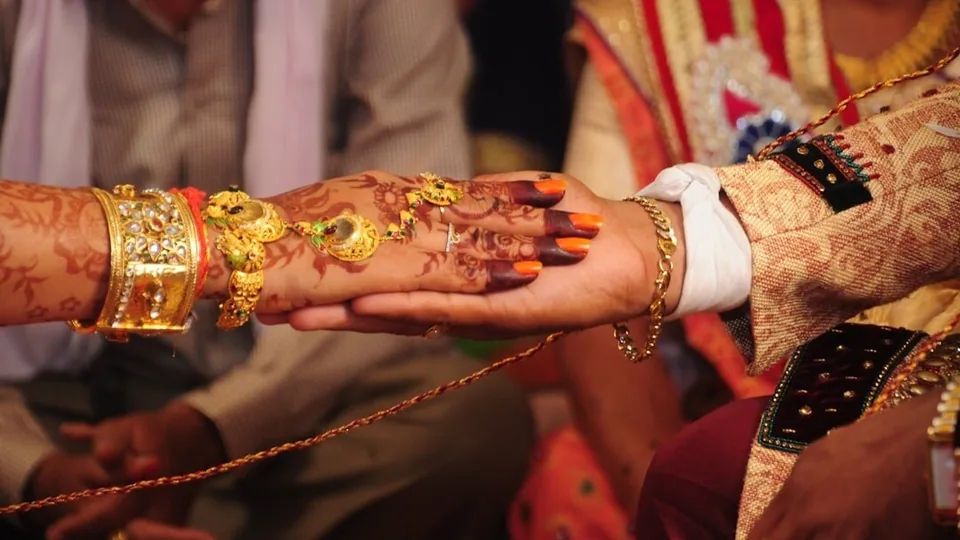
A Bengaluru chartered accountant's viral breakdown of a ₹20 lakh wedding budget has sparked a fierce internet debate. While critics argue that lavish spending on short-lived events drains savings and impacts long-term financial security, defenders maintain that cultural celebrations and lifelong memories justify the substantial investment.
A Bengaluru chartered accountant's viral critique on lavish wedding expenses sparks an intense online debate over financial priorities.
As discussions surrounding the soaring costs of traditional celebrations gain traction across urban centers, a viral social media post shared in July 2026 by Bengaluru-based chartered accountant Meenal Goel has deeply divided internet users. Addressing the long-term economic consequences of grand ceremonies, the former KPMG and Deloitte professional argued that spending ₹20 lakh or more on a single event to impress relatives represents a severe misallocation of hard-earned capital. Detailing how a typical budget vanishes within 48 hours, Goel emphasized that while caterers, venues, and entertainment providers receive immediate payouts, families are left to absorb the prolonged financial strain.
Breaking Down the Cost of Big Fat Weddings
According to the financial breakdown shared by Goel, a standard ₹20 lakh wedding budget evaporates across predictable categories within a remarkably short operational window.
Major Expense Heads: The estimated figures outline approximately ₹6 lakh spent on food, ₹5 lakh allocated for the venue, ₹3 lakh dedicated to decorations, and ₹2 lakh each for photography, entertainment, and miscellaneous overheads.
The 48-Hour Reality: Highlighting the transient nature of these events, Goel noted that food is consumed within hours, the venue is returned the next morning, decorations are immediately dismantled, and guests quickly move forward, leaving behind permanent dents in family savings.
Alternative Asset Allocation: Instead of exhausting liquid capital on a single day, the advisory recommended channeling funds toward high-impact life goals such as home down payments, emergency reserves, children's education, and long-term retirement investments.
Polarized Reactions Across Online Communities
The candid financial critique triggered a massive wave of responses across professional networks and social media platforms, revealing a stark generational and philosophical divide. Pragmatic commentators strongly supported the stance, agreeing that starting married life free from debt or depleted savings is vital for long-term stability. Conversely, traditionalists defended lavish celebrations as irreplaceable emotional milestones, asserting that memories created during once-in-a-lifetime family gatherings hold intrinsic value that transcends strict monetary calculations.
Why It Matters
For young couples, families, and financial planners, managing wedding expenditures dictates initial household debt-to-income ratios and economic resilience. Balancing cultural expectations with prudent fiscal management remains a critical discussion point for modern urban households.
Key Facts at a Glance
Focal Amount: ₹20 lakh standard wedding budget breakdown.
Primary Commentator: Meenal Goel, Bengaluru-based chartered accountant and former corporate consultant.
Core Allocation Centers: Food (₹6L), venue (₹5L), decor (₹3L), photography and entertainment (₹4L combined).
Public Sentiment: Deeply divided between financial pragmatism and traditional emotional value.
Frequently Asked Questions
What sparked the recent viral debate on wedding expenses?
A Bengaluru-based chartered accountant shared a detailed cost breakdown explaining why spending ₹20 lakh on a grand wedding can harm long-term financial health.
How is a typical ₹20 lakh wedding budget distributed?
Estimates show roughly ₹6 lakh on food, ₹5 lakh on the venue, ₹3 lakh on decor, and ₹2 lakh each on photography, entertainment, and miscellaneous costs.
Why are internet users divided over the advice?
While many praise the focus on savings, emergency funds, and avoiding debt, others argue that weddings are emotional, once-in-a-lifetime events where creating memories outweighs monetary metrics.
Source: Hindustan Times, The Economic Times, Business Today