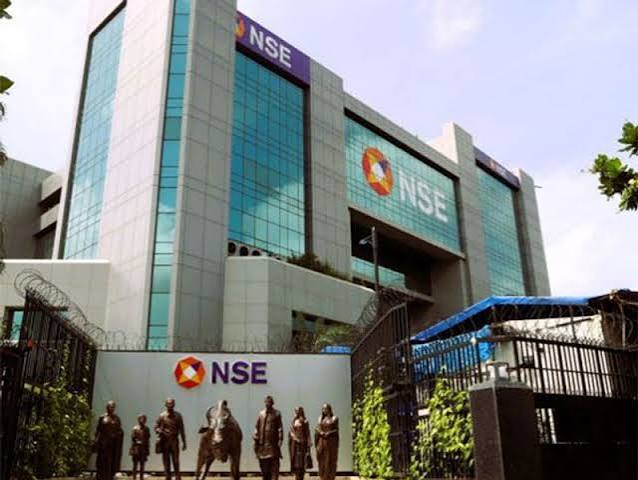
North India is emerging as the primary engine for India's rapidly expanding stock market investor base. Data shows record-breaking retail participation from Tier-2 and Tier-3 cities in the region, driven by digital-first investment platforms. This trend marks a significant shift in household savings toward equity markets, enhancing national financial inclusivity.
NEW DELHI — A significant shift in India’s financial geography is underway, as North Indian cities emerge as the leading drivers of the nation’s rapidly expanding stock market investor base. According to recent demographic data from capital market participants, regions across North India are recording the fastest growth in new Demat account registrations, signaling a major transition in household savings patterns toward equity-linked investments.
This expansion reflects a broader national trend where smaller cities and towns are increasingly accessing financial markets, catalyzed by digital-first investment platforms and rising financial literacy initiatives.
Regional Growth Dynamics and Retail Participation
Market analysts note that the surge in North India’s investor base is driven by a combination of increasing disposable incomes in Tier-2 and Tier-3 cities and the ease of digital account opening processes. Data from major depository institutions shows that urban centers in states such as Uttar Pradesh, Haryana, Punjab, and Delhi-NCR are witnessing double-digit growth in retail account openings.
This trend is shifting the traditional concentration of the stock market investor base, which was historically dominated by major financial hubs like Mumbai and Bengaluru. The democratization of market access is enabling a wider demographic—including young professionals, small business owners, and retirees—to participate in equity markets through systematic investment plans (SIPs) and direct trading.
| Region | Primary Drivers of Investor Expansion |
| North India | Digital penetration, Tier-2/Tier-3 HNI inflows, financial literacy |
| Western India | Legacy institutional presence, hub for brokerage services |
| Southern India | Tech-enabled investing, early adopters of digital platforms |
Impact on Financialization of Savings
The deepening of the stock market investor base in North India is contributing to the "financialization of savings," a core objective for regulators looking to move household capital away from traditional physical assets like gold and real estate. By channeling savings into capital markets, individuals are gaining exposure to India's broader economic growth, which in turn provides domestic liquidity to listed corporate entities.
For businesses, this trend creates a broader base of equity holders, potentially stabilizing stock market volatility during global economic downturns. For individual consumers, the transition offers a pathway to long-term wealth creation, provided that the current wave of new investors receives adequate investor education regarding risk management.
Official Sources Section
The trends concerning the demographic shift in India’s financial markets are based on periodic reports and statistical data releases from the Securities and Exchange Board of India (SEBI), the National Stock Exchange of India (NSE), and the BSE Limited.
Quote Section
According to official briefings from market observers:
"The rapid expansion of the stock market investor base in North India reflects the success of digital financial integration. As retail participation increases beyond metropolitan centers, the depth and resilience of India’s capital markets are expected to grow significantly."
Why It Matters
The shift toward a broader investor base is transforming India’s market structure. As North India leads this expansion, it helps create a more inclusive investment environment. This democratization of the markets provides companies with easier access to capital while offering households new tools to hedge against inflation and participate in India’s corporate growth story.
Key Facts at a Glance
Regional Dominance: North Indian cities are currently leading the growth trajectory for new Demat account registrations.
Demographic Shift: High participation from Tier-2 and Tier-3 cities is changing the profile of the average retail investor.
Financial Literacy: Increased digital adoption and education initiatives are driving equity market participation.
Market Resilience: A diverse investor base from across the country enhances the overall depth and stability of the Indian stock market.
FAQ Section
Why is North India leading the growth in stock market participants?
The growth is driven by increasing digital connectivity, rising disposable incomes in Tier-2/3 cities, and the simplified, app-based account opening process.
How does this expansion impact the Indian stock market?
A broader investor base provides higher domestic liquidity, which can help insulate the market against volatility and fund domestic corporate expansion.
Is this a long-term trend for the stock market investor base?
Yes, industry experts suggest that as digital financial inclusion continues to penetrate deeper into semi-urban India, this growth trend is expected to persist.
What are the risks for new investors in this growing base?
The primary risk is a lack of financial literacy among first-time participants; regulators and market entities are currently focusing on investor education to mitigate these challenges.
Source: Securities and Exchange Board of India, National Stock Exchange of India, BSE Limited