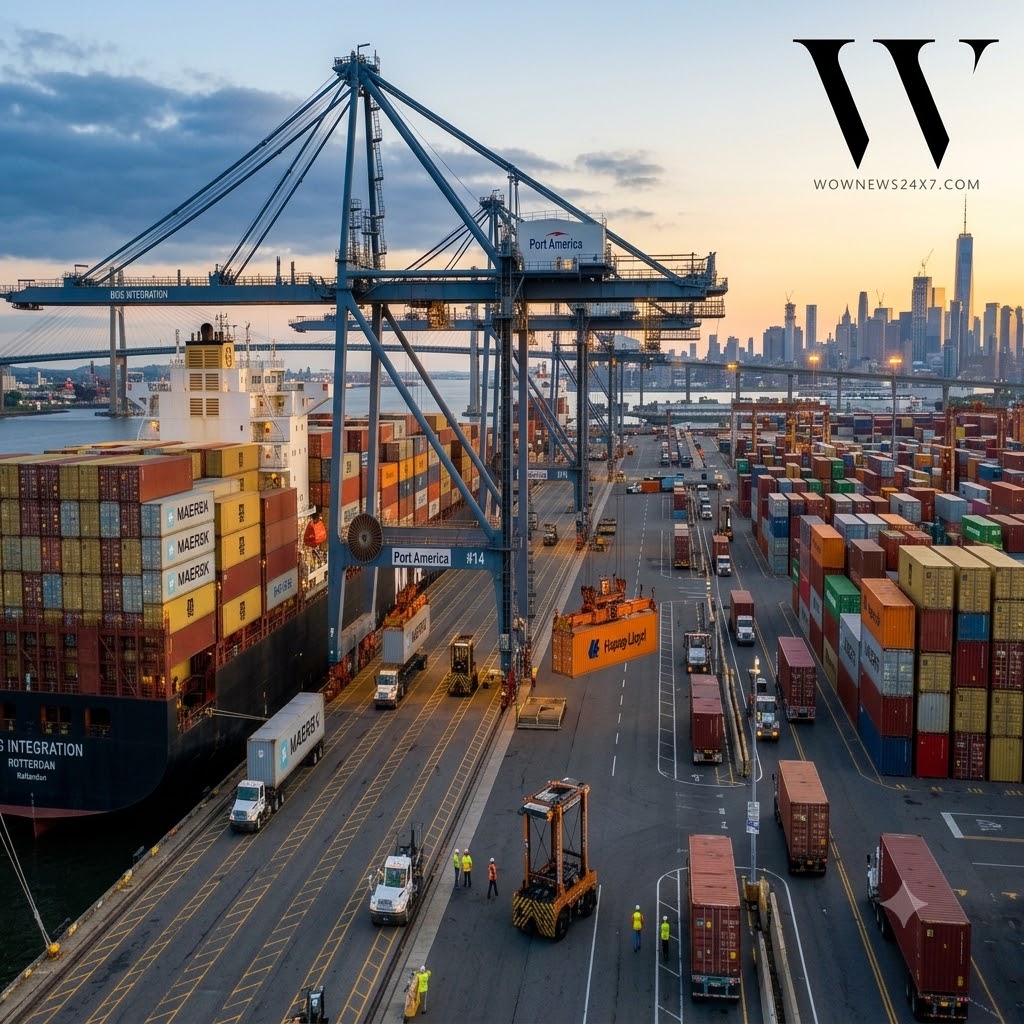
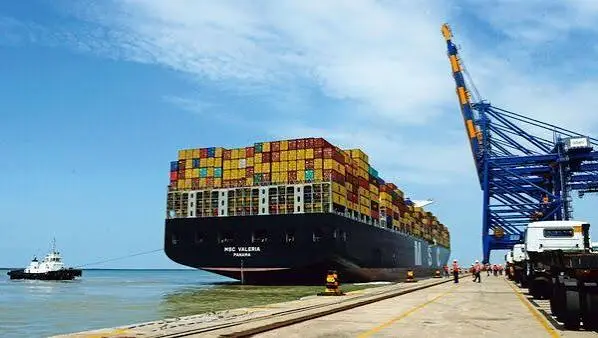
The U.S. has implemented Section 301 tariffs ranging from 10% to 12.5% on 60 trading partners over forced labor enforcement gaps. Taking effect July 24, 2026, the policy replaces temporary Section 122 duties while exempting USMCA-compliant goods, energy, fertilizers, and Section 232 articles to protect vital supply chains.
WASHINGTON — The Trump administration unveiled new trade measures under Section 301 authority targeting 60 trading partners for failing to adequately enforce prohibitions on imports produced with forced labor. The new Section 301 tariffs go into effect at 12:01 a.m. ET on July 24, 2026, precisely as temporary Section 122 tariffs expire. U.S. officials stated that the action aims to address human rights concerns and eliminate unfair market distortions caused by lower labor standards overseas. To accommodate active maritime and air cargo, the administration confirmed that the effective date for goods in transit will be 12:01 a.m. ET on July 28, 2026.
Tiered Duty Structure and Enforcement Standards
Under the newly announced regulatory framework, the Office of the United States Trade Representative (USTR) established a two-tiered system based on foreign statutory compliance. Trading partners that have implemented active prohibitions on forced labor imports will receive a 10 percent tariff rate. Economies that have not enacted or enforced such import bans will be subject to a higher 12.5 percent rate.
Administration officials indicated that the final terms largely track the initial June proposal following weeks of public comment and agency review. According to trade officials, several trading partners, including India, have brought down their previously proposed 12.5 percent duty rates through bilateral engagements and policy adjustments.
U.S. administration officials noted that no foreign country currently enforces forced labor import bans to the level of rigor maintained by Washington. Officials argued that this enforcement disparity creates an uneven playing field for domestic manufacturers, giving foreign suppliers an unfair economic advantage.
Targeted Exemptions for Key Industries and USMCA Partners
To mitigate potential domestic economic disruptions, the administration outlined broad carve-outs within the executive order. Goods fully compliant with the United States-Mexico-Canada Agreement (USMCA) are exempted from the new duties due to the highly integrated nature of North American supply chains and high levels of U.S. content.
Specific essential commodities are also exempted from the additional import charges. The administration listed key exemptions including:
Oil, natural gas, and refined energy products.
Agricultural fertilizers and soil nutrients.
Certain essential food stuffs and critical raw materials.
Goods already subject to Section 232 national security tariffs.
Official sources clarified that items covered by existing Section 232 tariffs on steel and aluminum will not face stacked levies under the forced labor rules.
Background and Statutory Transition
The implementation of these Section 301 tariffs marks a transition in executive trade strategy following legal challenges earlier in the year. Temporary Section 122 tariffs, originally instituted for 150 days to manage international trade payments, officially lapse on July 24 as the new permanent levies take force.
Senior administration officials rejected suggestions that the new measure simply replicates earlier International Emergency Economic Powers Act (IEEPA) tariffs that were struck down by the U.S. Supreme Court. Officials emphasized that the current actions rely on statutory authority under the Trade Act of 1974 following comprehensive, evidence-based investigations by the USTR.
Additionally, U.S. trade officials confirmed that separate Section 301 investigations into global industrial excess capacity remain ongoing. However, officials noted that those inquiries require extensive research, economic modeling, and analysis before any further administrative determinations are finalized.
Impact on Businesses, Investors, and Consumers
The structural shift in import policy directly impacts international logistics, supply chain planning, and corporate compliance. Importers handling cross-border commerce must adjust customs filings to reflect the 10 percent or 12.5 percent rates depending on the origin country.
For American consumers and businesses, the explicit exemption of energy, fertilizers, USMCA-compliant goods, and select agricultural products is intended to prevent inflationary spikes in grocery and fuel costs. Investors in automotive, manufacturing, and energy sectors are expected to monitor supply chain adjustments as North American manufacturing rules remain protected under USMCA carve-outs.
Official Sources Section
Statements, regulatory filings, and announcements cited in this report were issued by:
The Office of the United States Trade Representative (USTR).
The Executive Office of the President of the United States.
Senior U.S. Administration Officials during White House press briefings.
Official Quotes
According to official statements released by the U.S. Trade Representative, "The United States has had a forced labor import ban for nearly a century, and rigorously enforces it; it's well past time for our trading partners to do the same."
Senior administration officials stated that "the President will always use the tools at his disposal to achieve the outcomes he wants, including using tariffs."
Why It Matters
The rollout of these Section 301 tariffs establishes forced labor compliance as a central pillar of U.S. trade policy. By penalizing nations that lack rigorous labor enforcement while maintaining exemptions for USMCA-compliant goods and critical raw materials, Washington aims to push global trading partners toward stronger labor laws without disrupting essential North American energy and agricultural supply chains.
Key Facts at a Glance
Effective Date: July 24, 2026, at 12:01 a.m. ET, with a transit allowance until July 28, 2026.
Tariff Rates: 10% for nations enforcing forced labor bans; 12.5% for nations without effective bans.
Major Exemptions: USMCA-compliant goods, oil and gas, fertilizers, select foodstuffs, and items under Section 232.
Legal Basis: Section 301 of the Trade Act of 1974.
Frequently Asked Questions (FAQ)
What are the new Section 301 tariffs on forced labor?
They are trade duties imposed by the U.S. on 60 trading partners to address the failure of foreign economies to ban or enforce prohibitions on goods made with forced labor.
When do the new tariffs take effect?
The tariffs take effect at 12:01 a.m. ET on July 24, 2026. Goods currently in transit have until 12:01 a.m. ET on July 28, 2026, before duties apply.
Which goods are exempt from the forced labor tariffs?
Exemptions apply to USMCA-compliant goods, oil and gas, agricultural fertilizer, essential foodstuffs, and items already covered by Section 232 national security tariffs.
Source: Office of the United States Trade Representative (USTR), Executive Office of the President, and U.S. Department of Commerce regulatory announcements.