A new museum dedicated to former West Bengal Chief Minister Jyoti Basu has officially opened at the JBCSSR centre in New Town, Kolkata. The facility features comprehensive historical archives, rare memorabilia, and a reference library, providing researchers and the public with deep insights into India's legislative and socio-economic history.
KOLKATA — A new museum dedicated to the life, political career, and governance of former West Bengal Chief Minister Jyoti Basu officially opened its doors to the public today, Friday, July 10, 2026. Located within the newly constructed Jyoti Basu Centre for Social Studies and Research (JBCSSR) in Action Area II of New Town, Kolkata, the museum stands as a permanent repository of historical documents, personal artifacts, and multimedia archives detailing decades of regional and national political movements.
The inaugural ceremony, held at the centre's expansive campus, marks the completion of the project's primary phase. The opening draws significant interest from historians, political analysts, and local citizens, particularly because New Town itself was a township conceptualized under Basu’s administration in the late 1990s to alleviate urban congestion in Kolkata.
Preserving a Political and Administrative Legacy
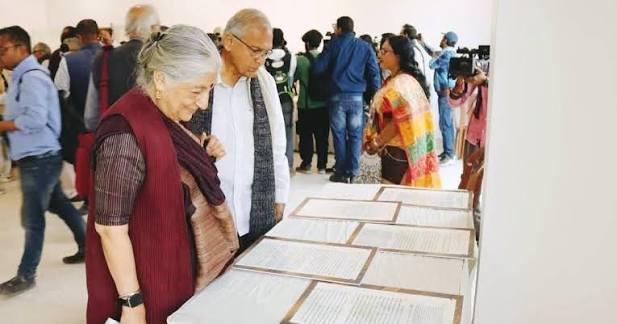
The newly inaugurated museum features several curated galleries that chronicle Basu’s journey from his early days as a barrister in London to his unprecedented 23-year tenure as the Chief Minister of West Bengal. According to administrative officials at the centre, the repository houses rare photographs, personal diaries, official correspondences, and gifts received from global dignitaries during his time in office.
A dedicated section of the exhibition focuses entirely on the socio-economic reforms introduced during his administration, specifically the landmark Operation Barga land reforms and the decentralization of rural governance through the Panchayati Raj system. Curators have integrated digital touchscreens and audio-visual kiosks to provide researchers and visitors with an immersive view of West Bengal's post-independence legislative history.
Academic Research and Socio-Economic Studies
Beyond its role as a public exhibition space, the facility is designed to operate as a core hub for academic inquiry. The six-story JBCSSR building houses a comprehensive reference library containing rare books, political pamphlets, and treatises on trade union movements and social studies.
The expansion of the centre is being executed in phases by the JBCSSR trust. The newly opened museum segment represents a major step forward in establishing a dedicated archive for mass movements in Eastern India. Trust representatives noted that the facility will soon host national seminars, research fellowships, and comparative studies on democratic decentralization.
Urban Impact and Visitor Access
For residents of Kolkata and visiting researchers, the museum adds a notable cultural and educational landmark to New Town, which already hosts major institutions like Rabindra Tirtha and Nazrul Tirtha. The West Bengal Housing Infrastructure Development Corporation (HIDCO) and local municipal bodies have ensured seamless transport connectivity to the Action Area II site to accommodate expected visitor footfall.
Urban planners and local businesses view the opening as a valuable addition to New Town’s growing institutional landscape. The inclusion of high-tech documentary screening rooms and seminar halls is expected to draw a steady stream of academic tourism to the area, benefiting local hospitality and transit sectors.
Official Statements and Structure
According to official briefings from the Jyoti Basu Centre for Social Studies and Research trust, the construction and curation of the museum have been funded through public contributions and independent organizational trusts. The project has been overseen by senior leaders and cultural figures dedicated to preserving the state's political heritage.
"Organizers stated that the museum is not merely a collection of memorabilia, but a functional resource center where future generations can study the evolution of public policy, coalition politics, and grassroots governance in India."
Why It Matters
The opening of the Basu centre museum provides a centralized, fact-based archive of a pivotal era in Indian political history. For students, historians, and political scientists, the facility offers unprecedented access to primary source materials regarding left-wing governance and state-level administration. Practically, it ensures that the foundational records of modern Bengal's rural and urban evolution—including the initial blueprints for New Town itself—remain accessible to the public.
Key Facts at a Glance
Location: Jyoti Basu Centre for Social Studies and Research (JBCSSR), Action Area II, New Town, Kolkata.
Opening Date: Friday, July 10, 2026.
Core Exhibits: Personal memorabilia, rare historical photographs, land reform documents, and interactive digital archives.
Facility Features: Six-story complex incorporating a public museum, reference library, and seminar halls.
Significance: Located within the very township conceptualized by Jyoti Basu during his tenure as Chief Minister.
FAQ
1. What are the timings and entry requirements for the new museum in New Town?
The museum is open daily to the public, with specific hours and ticketing guidelines published on the official notice boards at the JBCSSR campus in Action Area II.
2. Can researchers access the archives and reference library?
Yes, the library and archive sections are designed for academic research. Scholars can apply for access passes through the administrative office of the Jyoti Basu Centre for Social Studies and Research.
3. What specific historical periods are covered in the exhibition?
The exhibits cover the period from the 1930s (including Basu's student days in the UK) through the intense political movements of the 1960s and 70s, up to his retirement from active governance in 2000.
4. How can I reach the Jyoti Basu Centre in New Town?
The centre is located in Action Area II and is well-connected via major arterial roads, public bus routes, and nearby metro stations servicing the New Town corridor.
Source: Jyoti Basu Centre for Social Studies and Research Official Communiqués, West Bengal Housing Infrastructure Development Corporation (HIDCO) Land Records, People's Democracy Archival Reports.