Loading market data...
General
Show more
NASA and ISRO Finalize NISAR Satellite to Monitor Earth's Minute Changes
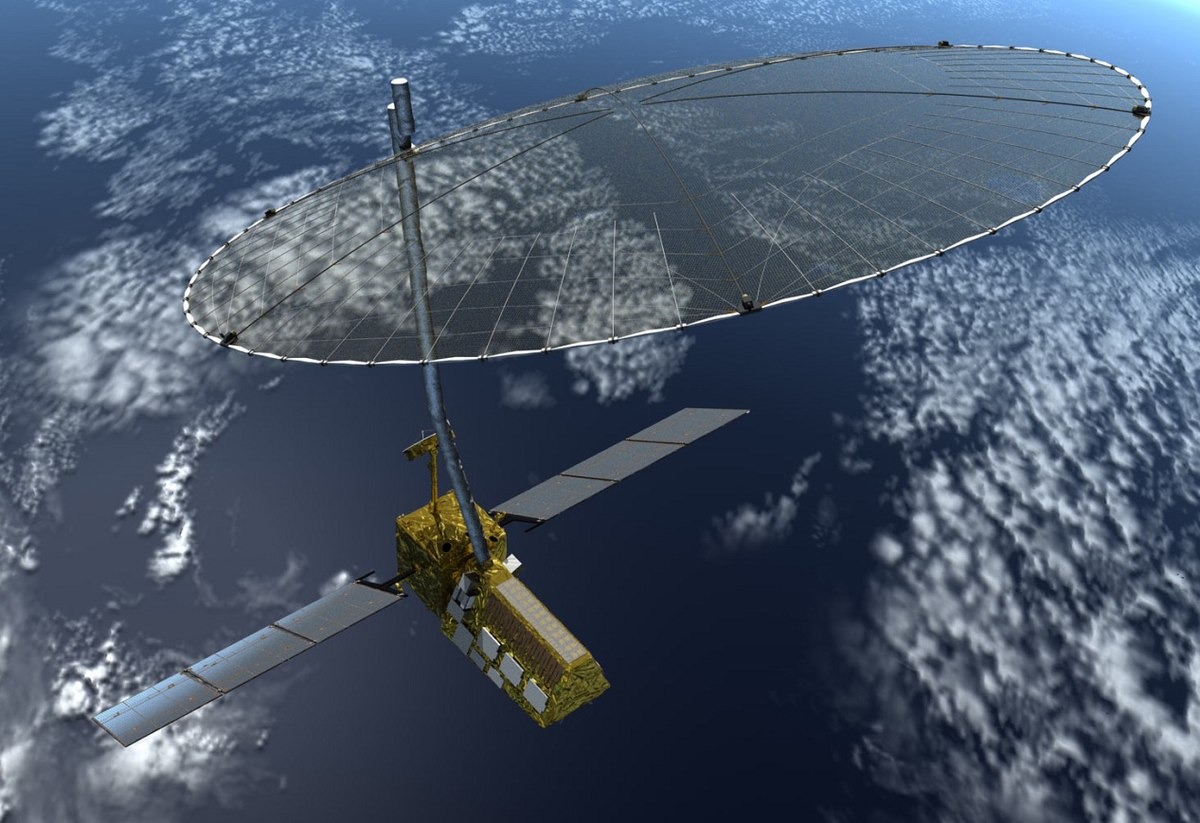
NASA and the Indian Space Research Organisation (ISRO) have finalized plans for the NISAR satellite, set to launch in early 2025. NISAR, which stands for NASA-ISRO Synthetic Aperture Radar, will utilize advanced radar imaging to monitor Earth's land and ice surfaces, detecting changes as small as a centimeter. This collaboration aims to enhance understanding of natural hazards, climate change, and Earth's dynamic processes.
The satellite will be equipped with both L-band and S-band radar systems, a first in satellite missions, enabling comprehensive observation of various Earth phenomena.
The mission represents a significant milestone in U.S.-India space cooperation, combining expertise and resources to address global challenges through advanced Earth observation capabilities. NASA and the Indian Space Research Organisation (ISRO) have finalized plans for the NISAR satellite, set to launch in early 2025. NISAR, which stands for NASA-ISRO Synthetic Aperture Radar, will utilize advanced radar imaging to monitor Earth's land and ice surfaces, detecting changes as small as a centimeter. This collaboration aims to enhance understanding of natural hazards, climate change, and Earth's dynamic processes.
NASA and the Indian Space Research Organisation (ISRO) have finalized plans for the NISAR satellite, set to launch in early 2025. NISAR, which stands for NASA-ISRO Synthetic Aperture Radar, will utilize advanced radar imaging to monitor Earth's land and ice surfaces, detecting changes as small as a centimeter. This collaboration aims to enhance understanding of natural hazards, climate change, and Earth's dynamic processes.
The satellite will be equipped with both L-band and S-band radar systems, a first in satellite missions, enabling comprehensive observation of various Earth phenomena.
The mission represents a significant milestone in U.S.-India space cooperation, combining expertise and resources to address global challenges through advanced Earth observation capabilities.
Source: NASA , Wikipedia , Nisar
Stay Ahead – Explore Now! India's Coal Imports Hold Steady: Domestic Production Surge Offsets Demand Growth