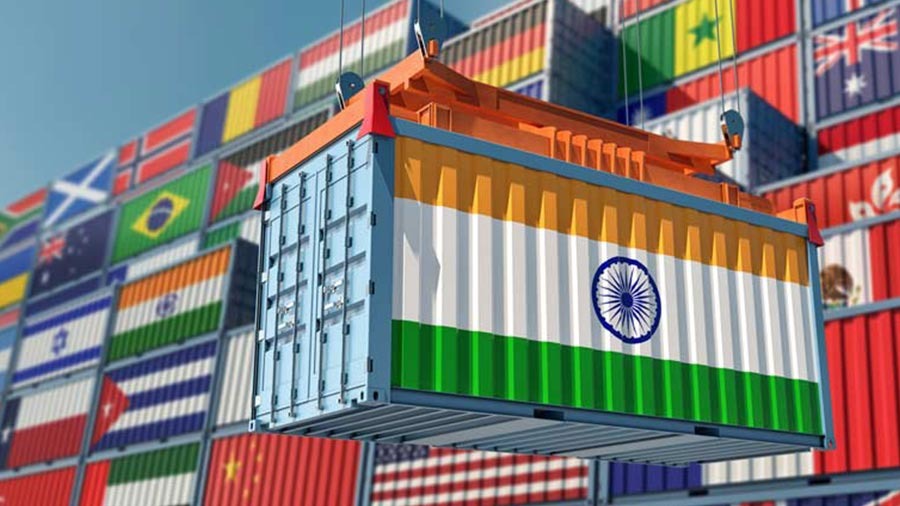
A senior commerce ministry official urged India Inc to actively utilize Free Trade Agreements, drive value addition, and diversify export markets. Speaking at a New Delhi conclave, the official emphasized that domestic enterprises must step up manufacturing resilience to establish India as a trusted global trade partner.
NEW DELHI — Addressing a key manufacturing conclave in New Delhi on August 20, 2026, Additional Secretary in the Department of Commerce, Yashvir Singh, called upon India Inc to maximize its utilization of Free Trade Agreements (FTAs). Emphasizing that trade pacts merely serve as gateways, the senior government official urged domestic enterprises to navigate rules of origin requirements, enhance value addition in manufacturing, and diversify export destinations to fortify India's standing in global value chains amid evolving geopolitical uncertainties.
Maximizing Free Trade Agreements and Market Access
According to official statements delivered at the industry forum, the government's extensive network of trade pacts offers substantial duty savings and competitive advantages that remain underutilized by various domestic segments.
Strategic Utilization: Officials stressed that businesses must map their supply chains to qualify for preferential tariffs under existing trade corridors.
Value Addition Trajectory: Highlighting that the share of capital goods in India's export basket has risen from 13 per cent in 2014 to 19 per cent, the commerce ministry noted that this upward trajectory must accelerate.
New Trade Corridors: Trade pacts with partner economies have opened previously inaccessible regional markets across the Gulf, Oceania, and East Africa for Indian exporters.
Official Sources Section
Details regarding export strategies, manufacturing imperatives, and trade policy evaluations are derived from official announcements and addresses issued by the Ministry of Commerce and Industry and reported via The Economic Times.
"According to officials, trade agreements are crafted doors, but it is the industry that must walk through them to build resilient manufacturing ecosystems capable of withstanding global shocks."
Why It Matters
For Indian manufacturers, exporters, and institutional investors, shifting from passive trade participation to active FTA utilization is crucial for maintaining international competitiveness. As global supply chains face disruptions and shifting geopolitical alignments, diversifying export markets and securing domestic processing of critical components protect businesses against external vulnerabilities while driving long-term economic growth.
Key Facts at a Glance
Forum Focus: Manufacturing conclave addressing India's global trade positioning.
Key Official: Yashvir Singh, Additional Secretary, Department of Commerce.
Core Imperatives: FTA utilization, supply chain resilience, and market diversification.
Capital Goods Growth: Share in export basket increased from 13% in 2014 to 19%.
Frequently Asked Questions
What did the government urge India Inc to do regarding FTAs?
The government urged domestic industries to actively utilize Free Trade Agreements, understand rules of origin, and leverage preferential tariff structures to boost exports.
Why is export market diversification important for India?
Diversifying export markets helps Indian businesses expand into new regional corridors and mitigates risks arising from global economic uncertainties and localized supply chain shocks.
How has India's capital goods export share changed?
The share of capital goods in India's export basket has grown from 13 per cent in 2014 to 19 per cent.
Source: Ministry of Commerce and Industry via PIB, The Economic Times