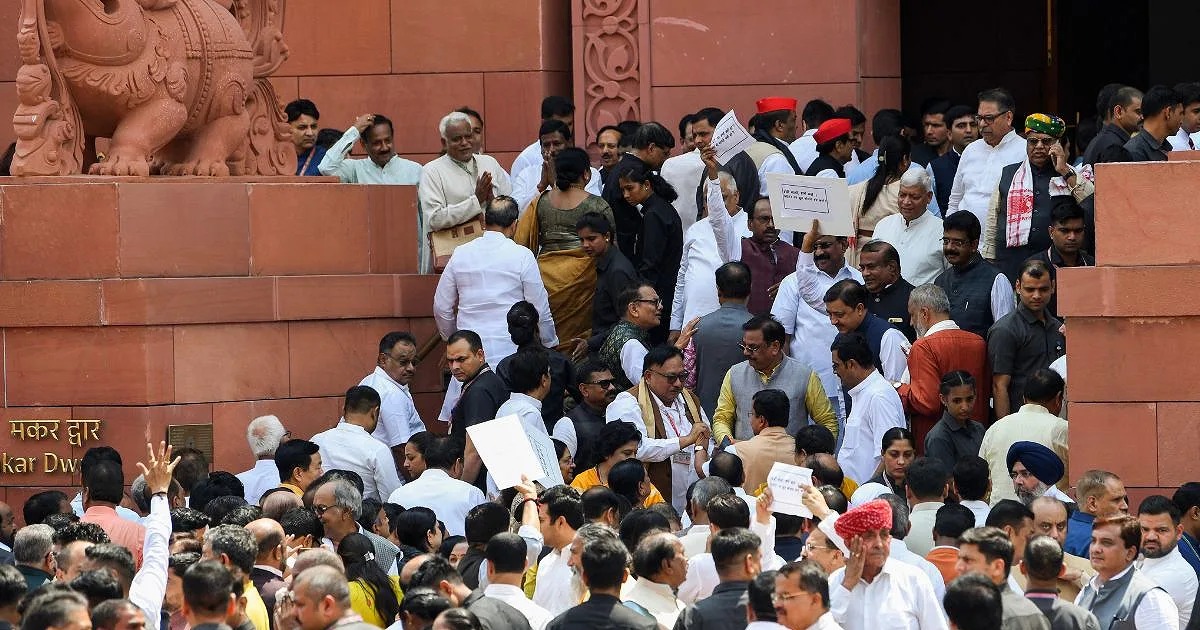
Parliamentary proceedings in both the Lok Sabha and Rajya Sabha were disrupted and adjourned till noon as opposition members protested against the NEET examination controversy and police action targeting student demonstrators, highlighting an intense political standoff over educational reforms.
NEW DELHI — Parliamentary proceedings came to a temporary halt as both the Lok Sabha and Rajya Sabha were adjourned till noon following vehement protests by opposition members. Convening for the ongoing Monsoon Session, both legislative chambers witnessed immediate uproar as opposition legislators trooped into the Wells of the respective Houses, raising slogans. The demonstrations centered on widespread student protests concerning alleged irregularities in the National Eligibility-cum-Entrance Test (NEET) examinations, alongside sharp criticism of law enforcement actions directed at demonstrators in the national capital.
Government Stance and Parliamentary Interventions
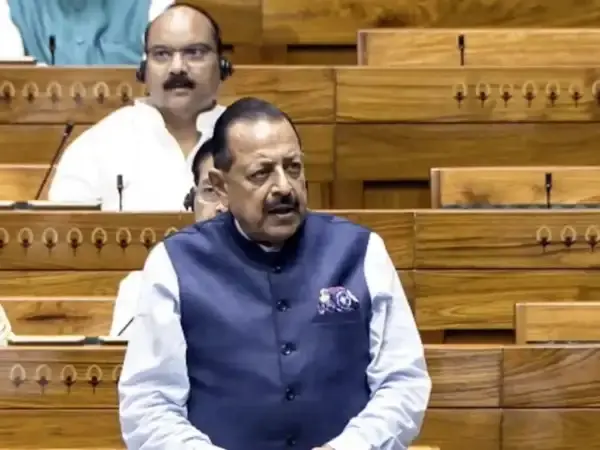
According to official parliamentary updates and statements from treasury benches, the central government maintained its readiness to debate the examination controversy. Lok Sabha Speaker Om Birla urged members to allow the Question Hour to proceed, assuring the floor that ample time would be allocated for structured discussions on any matter raised, once scheduled business commenced. Similarly, senior government ministers emphasized that a detailed, non-political debate was welcomed, provided proceedings adhered to established parliamentary rules without prior preconditions.
However, opposition leaders, led by prominent figures in both houses, insisted on immediate accountability. Demands were strongly voiced for the resignation of Union Education Minister Dharmendra Pradhan, citing administrative lapses surrounding the testing process and the heavy-handed handling of youth-led protests. The standoff prevented normal legislative work, reflecting deep political friction over student welfare and exam security.
Impact on National Governance and Stakeholders
The ongoing legislative logjam impacts key policy discussions, pending legislative bills, and administrative accountability frameworks. For students, aspirants, and families nationwide, the sustained political confrontation underscores the intense public scrutiny facing India's high-stakes testing infrastructure. Investors and policy analysts continue to monitor the parliamentary deadlock to gauge the broader legislative timeline for educational and governance reforms.
Official Sources & Parliamentary Disclosures
Official announcements, house rulings, and floor statements were compiled from proceedings of the Parliament of India, official press releases, and legislative secretariat feeds.
"According to officials, while the administration remains fully prepared for a comprehensive debate on examination integrity, continuous disruptions prevent constructive deliberation on matters of urgent public importance."
The presiding officers of both houses reiterated appeals for order, stressing that parliamentary rules provide adequate mechanisms to address complex national issues through structured debate rather than procedural deadlocks.
Why It Matters
The disruption of parliamentary business highlights the critical intersection of youth welfare, administrative transparency, and national legislative accountability. Practical implications include delayed policy decisions on public examinations, heightened public debate over student rights, and prolonged friction between governing and opposition coalitions.
Key Facts at a Glance
Event: Simultaneous adjournments of Lok Sabha and Rajya Sabha till noon.
Core Triggers: Opposition protests over the NEET examination controversy and police handling of student demonstrators.
Government Position: Treasury benches stated readiness for an open parliamentary discussion under established rules.
Opposition Demands: Insistence on political accountability and the resignation of the Union Education Minister.
Frequently Asked Questions (FAQ)
Why was Parliament adjourned during the session?
Both houses were adjourned following aggressive protests and sloganeering by opposition MPs over the NEET examination controversy and police actions against student demonstrators.
What is the government's stance on the NEET controversy discussion?
Treasury officials maintained that the government is fully prepared for a detailed, structured debate on the issue within both houses under standard parliamentary rules.
What specific demands did opposition leaders raise in the House?
Opposition members demanded direct accountability, calling for the resignation of Union Education Minister Dharmendra Pradhan and immediate legislative focus on student safety and test security.
Source: Parliament of India Proceedings, Press Trust of India (PTI) Dispatches, Sansad TV Broadcasts