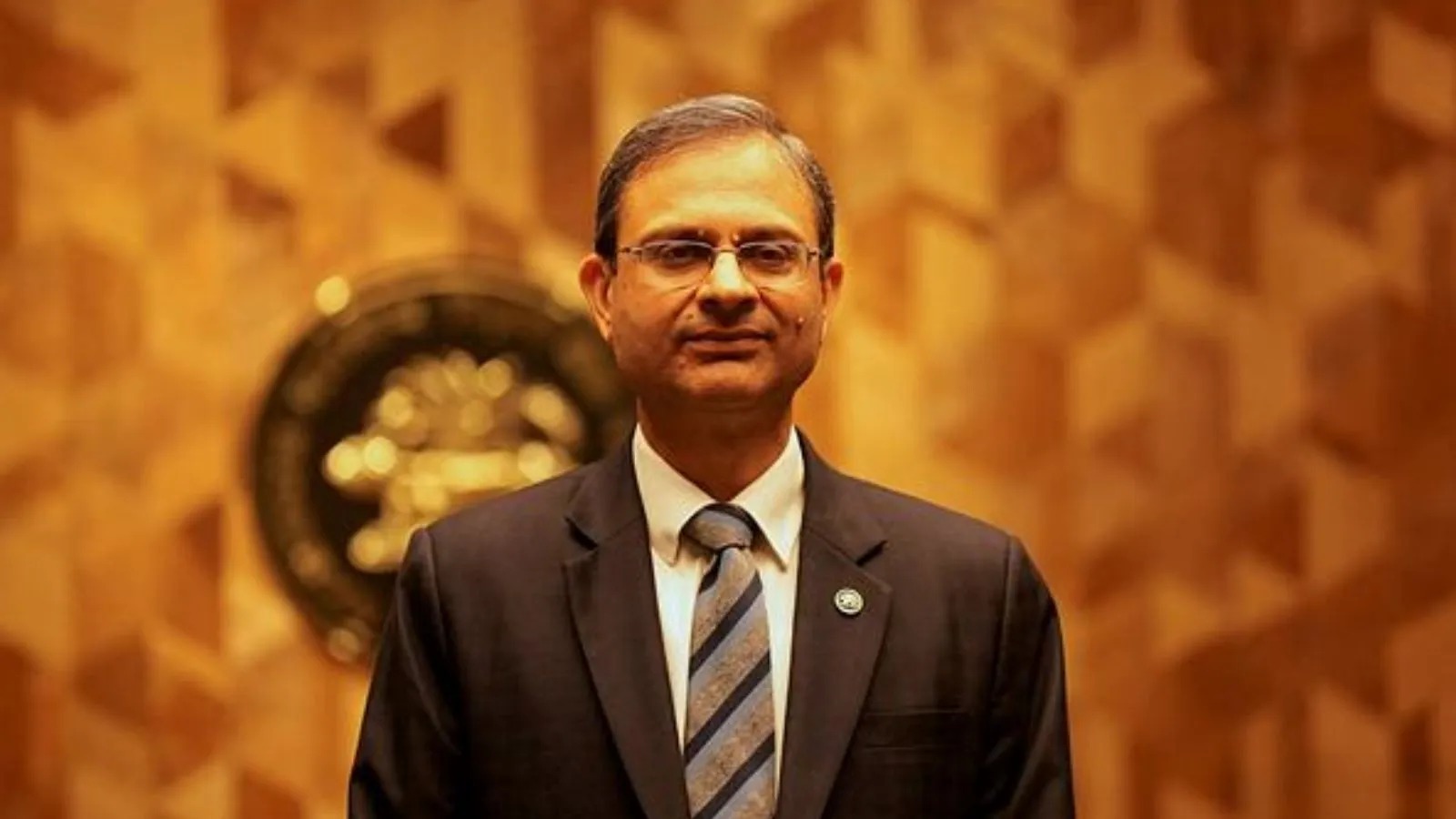
Reserve Bank of India Governor Sanjay Malhotra announced that the central bank's policy stance is neither dovish nor hawkish, maintaining the repo rate at 5.25%. Emphasizing a neutral outlook, the RBI aims to balance steady growth and controlled inflation amidst ongoing global economic uncertainties.
Reserve Bank of India Governor Sanjay Malhotra stated that the central bank remains flexible and well-positioned to navigate domestic growth and inflation dynamics.
Overview of the RBI Monetary Policy Stance
MUMBAI — Reserve Bank of India (RBI) Governor Sanjay Malhotra asserted on Wednesday that the central bank's monetary policy stance is currently neither dovish nor hawkish, opting instead for a balanced, data-dependent approach. Speaking at the bi-monthly monetary policy briefing in Mumbai on August 5, 2026, Malhotra emphasized that the prevailing policy rate is appropriately calibrated to address current macroeconomic realities.
The Monetary Policy Committee (MPC) voted unanimously to keep the benchmark repo rate unchanged at 5.25% for the fourth consecutive meeting while maintaining a neutral stance. Governor Malhotra noted that the current policy configuration provides adequate room to maneuver amidst global trade uncertainties, supply chain disruptions, and fluctuating energy markets.
Balancing Growth and Inflation Dynamics
Addressing journalists and market analysts, Governor Malhotra explained that the decision to hold interest rates steady reflects a careful evaluation of domestic resilience against external headwinds. While headline inflation has experienced temporary pressures largely driven by food and fuel components, core inflation remains well-anchored.
The central bank revised its real GDP growth projection for fiscal year 2027 to 6.7%, signaling confidence in domestic demand, investment activity, and government capital expenditure. Malhotra underscored that the apex bank's primary objective is to anchor inflation expectations securely within its target band without choking underlying economic momentum or dampening credit growth.
Impact on Borrowers, Markets, and Stakeholders
For everyday consumers, retail borrowers, and corporate entities, the continuation of the neutral policy rate ensures stability in borrowing costs, leaving home loan and auto loan equated monthly installments (EMIs) unchanged. Commercial banks are expected to maintain steady deposit and lending rates in the near term.
Meanwhile, fixed-income investors and financial markets welcomed the clarity, as the RBI's proactive liquidity management and foreign exchange measures continue to insulate domestic markets from global volatility.
Official Sources Section
Monetary policy details, interest rate decisions, and official statements are based on announcements and press briefings released by the Reserve Bank of India (RBI) and regulatory updates compiled via Reuters and The Hindu.
Quote Section
"According to official announcements and statements made by RBI Governor Sanjay Malhotra during the monetary policy briefing, the central bank considers the current policy rate appropriate given the ongoing growth and inflation dynamics, maintaining a balanced posture that is neither dovish nor hawkish."
Why It Matters
The RBI's refusal to lean aggressively toward tightening or easing highlights the delicate balancing act required by central banks in a fragmented global economy. By maintaining a neutral posture, the central bank retains the flexibility to react swiftly to evolving domestic price pressures or external shocks without disrupting the broader economic recovery.
Key Facts at a Glance
Policy Rate Status: The repo rate remains unchanged at 5.25%.
Monetary Stance: Maintained as neutral, reflecting a balanced approach to economic risks.
GDP Growth Forecast: Projected at 6.7% for the 2027 fiscal year.
Leadership: Statement delivered by RBI Governor Sanjay Malhotra following the MPC meeting.
FAQ Section
What did RBI Governor Sanjay Malhotra mean by "neither dovish nor hawkish"?
Governor Malhotra indicated that the central bank's stance is balanced and neutral, meaning it is not pre-committed to aggressive interest rate cuts (dovish) or rate hikes (hawkish), but will instead respond flexibly to incoming economic data.
Why did the RBI keep the repo rate unchanged at 5.25%?
The MPC chose a status quo approach to balance resilient domestic economic growth against global uncertainties, volatile crude oil prices, and transient supply-side inflation pressures.
How does the policy decision impact loan EMIs?
Because the benchmark repo rate remains steady at 5.25%, existing home, auto, and personal loan EMIs are expected to remain stable without immediate hikes.
Where can I read the official RBI monetary policy report?
Complete policy resolutions, statements, and statistical data are accessible directly through the Reserve Bank of India official portal.
Source: Reserve Bank of India, Reuters, The Hindu, Livemint