The Delhi Cabinet has approved the Delhi EV Policy 2026, an ambitious environmental initiative effective July 1, 2026. The policy bans new petrol two-wheeler registrations by April 2028, provides up to ₹1 lakh in scrappage incentives, and waives road taxes for electric cars under ₹30 lakh to combat severe air pollution.
NEW DELHI — The Delhi Cabinet formally approved the landmark Delhi EV Policy 2026 on Monday, June 29, 2026, marking a significant regulatory intervention to eliminate vehicular emissions and combat persistent urban air pollution. Announcing the Cabinet’s decision, Chief Minister Rekha Gupta confirmed that the comprehensive green strategy has received central support and has been forwarded to Lieutenant Governor Taranjit Singh Sandhu for final authorization. Scheduled to take effect on July 1, 2026, and remain valid through March 31, 2030, the policy introduces an aggressive combination of direct purchase subsidies, extensive tax waivers, and hard phase-out deadlines for internal combustion engine (ICE) vehicles to transform the national capital into a zero-emission transit hub.
Phased Deadlines to Eliminate Polluting Registrations
The core of the new environmental strategy relies on a strict schedule of statutory registration bans aimed at the city’s highest-volume vehicle segments. According to official transport metrics, vehicular emissions currently account for nearly 23% of New Delhi's ambient air pollution, with two-wheelers and commercial three-wheelers contributing the highest share of localized particulate matter.
To address this, the Delhi EV Policy 2026 sets a deadline of January 1, 2027, after which only fully electric three-wheelers and N1-category light commercial goods carriers will be permitted for new registration within the National Capital Territory. This will be followed by a comprehensive restriction on April 1, 2028, which will completely halt the registration of all new petrol- and CNG-powered two-wheelers, mandating an entirely electric future for the city's largest consumer vehicle market.
Massive Fiscal Commitments and Direct Tax Waivers
To insulate consumers and businesses from high upfront ownership costs, the Delhi government has committed over ₹7,000 crore in direct financial outlays over the next four years. Cabinet estimates project that the total value of the package—including infrastructure deployments and fiscal concessions—will exceed ₹15,000 crore by 2030.
Under the approved framework, all pure electric vehicles registered in Delhi will receive a 100% exemption from road tax and registration fees. For passenger cars, this complete waiver applies to all battery-electric models with an ex-showroom price of up to ₹30 lakh. The policy explicitly excludes conventional hybrid vehicles from these benefits, focusing state resources entirely on battery-electric alternatives.
Tiered Purchase Subsidies and Heavy Scrappage Bonuses
The policy structures its financial aid through a tiered purchase subsidy that decreases annually to incentivize early adoption, alongside a robust direct benefit transfer (DBT) framework for scrapping older, polluting vehicles:
Electric Two-Wheelers: Buyers qualify for a purchase incentive of up to ₹30,000 in the first year, which scales down to ₹20,000 in year two and ₹10,000 in year three. This is supplemented by a ₹10,000 bonus for scrapping an older BS-IV or below vehicle.
Commercial and Three-Wheelers: Electric three-wheelers qualify for a ₹50,000 purchase subsidy in the first year, alongside a ₹25,000 scrappage bonus. N1 commercial trucks receive up to a ₹1 lakh purchase incentive and a ₹50,000 scrappage allowance.
Private Electric Cars: While private electric cars do not receive direct cash purchase subsidies, owners who scrap a verified BS-IV or older four-wheeler are eligible for a substantial ₹1 lakh cash scrappage incentive, capped at the first 1,00,000 applicants.
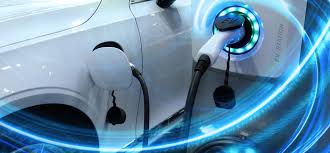
To support this massive influx of electric mobility, Delhi Transco Limited (DTL) has been designated as the master nodal agency tasked with establishing over 32,000 public EV charging and battery-swapping points across the capital before the policy concludes in 2030.
Official Sources Section
The statutory targets, subsidy structures, and financial allocations detailed in this report are verified by:
The official policy draft and press releases issued by the Cabinet of the Delhi Government.
Regulatory filings and infrastructure project outlines managed by Delhi Transco Limited (DTL).
Briefings and case notifications published by the Press Information Bureau (PIB).
Quote Section
"Pollution in Delhi is a challenge that requires coordinated action. The Delhi EV Policy 2026 will be a transformative and revolutionary policy that will make Delhi eco-sustainable, affordable, and future-ready," stated Chief Minister Rekha Gupta during her post-Cabinet media briefing.
"According to officials from the transport department, this EV policy will systematically lower ownership costs while directly clearing out older, polluting vehicles from our roads to safeguard public health."
Why It Matters
The implementation of the Delhi EV Policy 2026 carries profound practical implications for auto manufacturers, retail consumers, and urban commuters. For logistics operations and delivery fleets, the fast-approaching 2027 and 2028 deadlines necessitate an immediate operational transition toward all-electric fleets. For general consumers, the removal of road taxes significantly reduces the on-road price of mass-market and premium electric cars, making clean energy alternatives financially competitive with traditional internal combustion engines while establishing a clear blueprint for sustainable urban planning across developing megacities.
Key Facts at a Glance
ICE Phase-Out: Registration of new petrol and CNG two-wheelers will end entirely in Delhi on April 1, 2028; new commercial three-wheelers face an electric-only mandate starting January 1, 2027.
Financial Scale: The policy features a total projected benefit package exceeding ₹15,000 crore, with ₹7,000 crore earmarked specifically for direct funding over four years.
Tax Exemptions: Pure electric cars priced under ₹30 lakh, along with all electric two- and three-wheelers, receive a 100% waiver on road tax and registration fees.
Scrappage Incentives: Car owners replacing old BS-IV or below vehicles with an EV can claim a ₹1 lakh incentive, while two-wheeler owners receive a ₹10,000 bonus.
Infrastructure Target: Delhi Transco Limited will oversee the installation of more than 32,000 public EV charging points across the city by 2030.
FAQ Section
Q1: When does the new Delhi EV Policy 2026 come into effect? A1: The policy officially rolls out on July 1, 2026, following final signature approval from the Lieutenant Governor, and will remain actively in force until March 31, 2030.
Q2: Can I still buy and register a petrol motorcycle or scooter in Delhi after 2028? A2: No. Starting April 1, 2028, the Delhi government will completely halt the registration of all newly purchased petrol or CNG two-wheelers, meaning only fully electric models can be legally registered.
Q3: Do hybrid cars qualify for the road tax and registration waivers under this policy? A3: Strong hybrid vehicles within the ₹30 lakh price bracket receive a partial 50% exemption on road tax and registration fees, whereas fully electric vehicles receive a 100% waiver. High-end electric cars priced above ₹30 lakh receive no exemptions.
Source: Cabinet of the Delhi Government, Delhi Transco Limited (DTL), and official statements from the Ministry of Heavy Industries.