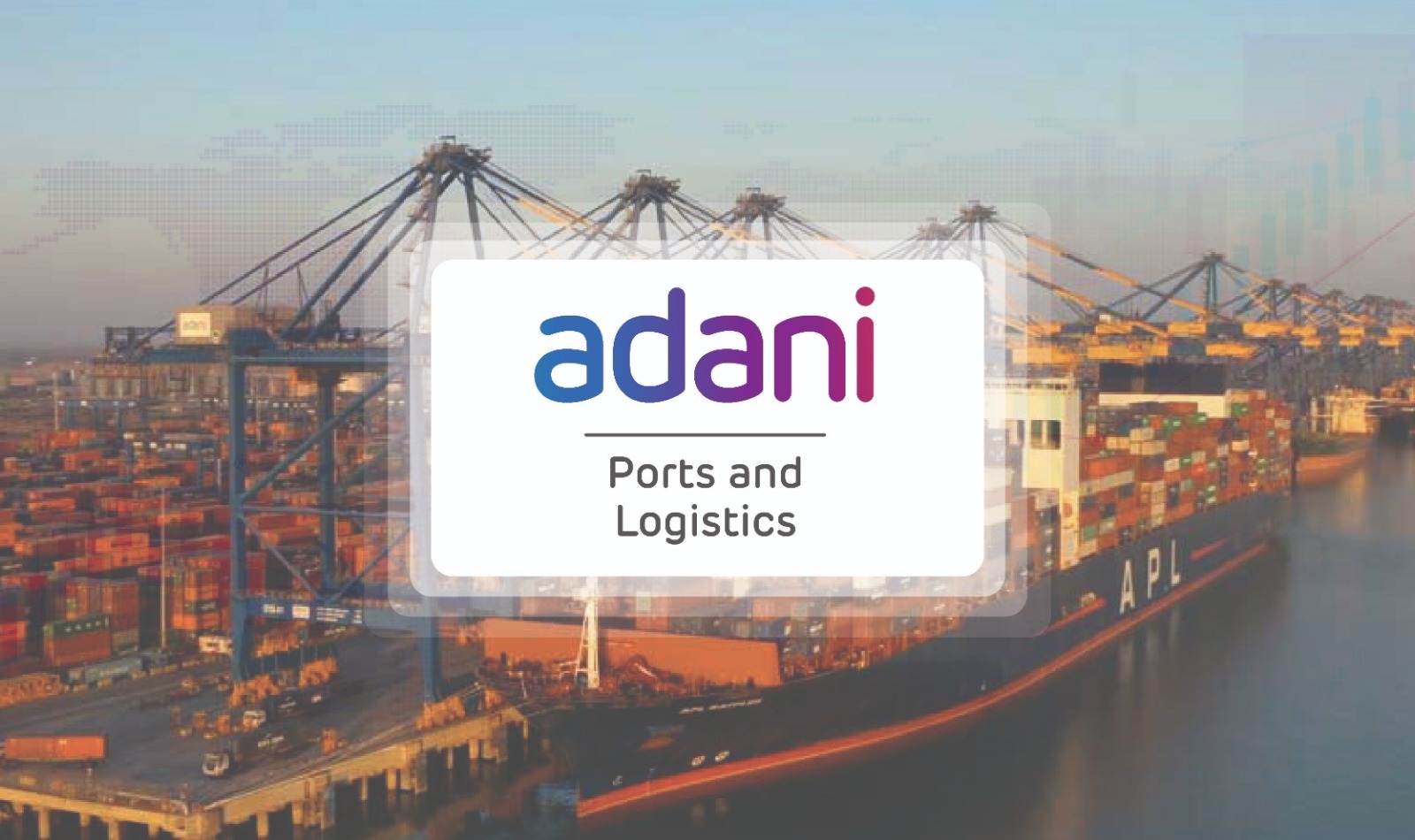
Adani Ports and Special Economic Zone Limited has finalized a definitive agreement to sell a 49% stake in its advanced Vizhinjam transshipment port to MSC Group’s subsidiary, Mundi Limited, for $1.4 billion. The strategic alliance drives capital into expanding container capacities to 5.7 million TEUs by late 2028.
MUMBAI — Adani Ports and Special Economic Zone Limited (APSEZ) has signed a definitive agreement with Mundi Limited, a direct corporate unit of Switzerland-based Mediterranean Shipping Company (MSC) Group, to divest a 49% equity stake in Adani Vizhinjam Port Private Limited (AVPPL).
The landmark infrastructure transaction, valued at approximately $1.397 billion (nearly 11,600 crore rupees), values the flagship deep-water transshipment facility at an absolute enterprise valuation of $2.85 billion. Under the agreed contractual terms, APSEZ will retain the controlling 51% majority stake, continue to occupy a majority of operational board seats, and systematically consolidate the port project as a core domestic subsidiary.
The mega-deal marks the single largest foreign private capital injection into India's maritime port infrastructure landscape to date.
Two-Tranche Funding Structured for Multi-Phase Expansion
According to regulatory compliance documents submitted to national stock exchanges, the multibillion-dollar capital investment from MSC's specialized terminal arm, Terminal Investment Limited (TiL), will be executed across two distinct financial tranches.
The initial tranche, totaling $539 million, is structured as a direct payment toward acquiring the baseline 49% equity stake. The subsequent tranche of $858 million will be progressively infused into the project via debt and equity participations as the asset advances through its active capital expansion blueprint.
Commissioned for commercial operations in December 2024, Vizhinjam Port currently boasts a deep natural draft of 18–20 meters capable of handling Ultra Large Container Vessels. The downstream cash injection will fuel the construction required to scale up container handling capacities from the current baseline of 1.6 million TEUs (twenty-foot equivalent units) up to an optimized capacity of 5.7 million TEUs by December 2028.
Strategic Synergies and Global Route Integration
Securing the world’s largest container shipping line as a co-equity partner injects immediate long-term volume visibility into India's maritime ecosystem. Vizhinjam is strategically positioned just 10 nautical miles away from the high-traffic East-West international shipping corridor. This positioning allows it to absorb significant regional transshipment volumes that have traditionally bypassed mainland India in favor of regional hubs like Colombo or Singapore.
The corporate union is expected to drastically increase container throughput from highly active regional markets, particularly trade flowing out of Bangladesh and East Africa. By routing global cargo directly into an Indian deep-water facility, MSC Group and Adani Ports aim to bypass regional cabotage constraints, scale up transshipment velocity, and dramatically insulate local industrial supply chains from ongoing geopolitical fluctuations across adjacent shipping lanes.
Official Sources Section
The underlying financial parameters, asset valuations, tranche divisions, and corporate timelines featured in this article are extracted from formal corporate regulatory disclosures. These documents have been officially filed under prevailing listing obligations and taken on record by the National Stock Exchange of India (NSE) and the BSE Limited.
Quote Section
"I am delighted to expand APSEZ's long-standing partnership with MSC to Vizhinjam, as we prepare for the port's next leg of the journey," stated Ashwani Gupta, Whole-time Director and CEO of APSEZ, in an official corporate announcement. "I am confident that our association will deliver enhanced supply chain efficiencies at a global scale and improve India's access to key global mature and developing markets."
Why It Matters
For global trade operators and domestic manufacturing sectors, the operational scale-up of a native mega-transshipment hub translates to a sharp reduction in marine freight overheads and faster turnaround times. Historically, Indian cargo underwent costly double-handling at overseas transshipment ports, adding an estimated several hundred dollars per container in extra logistics costs. This equity alliance establishes an optimized, highly competitive supply route directly feeding the subcontinental mainland.
Key Facts at a Glance
Transaction Value: MSC Group's terminal arm is investing $1.397 billion for a 49% equity stake in the facility.
Asset Valuation: The structural agreement assigns an enterprise value of $2.85 billion to the Vizhinjam Port asset.
Control Matrix: APSEZ retains 51% ownership, preserves majority board composition, and continues to manage daily terminal operations.
Capacity Targets: Future capital expenditure will expand operational capacities from 1.6 million TEUs to 5.7 million TEUs by 2028.
Partnership Record: This deal marks the third major strategic joint-venture terminal collaboration between Adani and TiL.
FAQ Section
What is the specific role of Mundi Limited in this port transaction?
Mundi Limited operates as a primary holding corporation under the Switzerland-headquartered MSC Group. Its specialized infrastructure investment subsidiary, Terminal Investment Limited (TiL), executed the actual share purchase agreement.
How will the $1.4 billion investment be utilized by Adani Ports?
The capital is split into two structural tranches. An initial $539 million covers the upfront equity acquisition, while the remaining $858 million is specifically locked to finance the port's ongoing deep-water capacity expansion phase.
Does this transaction result in Adani losing control of the port?
No. Adani Ports retains a 51% majority share block, holds the majority of board positions, and maintains absolute operational control over the venue as its active manager.
Source: National Stock Exchange of India (NSE) Filings, BSE Limited Listing Centre, APSEZ Corporate Newsroom.