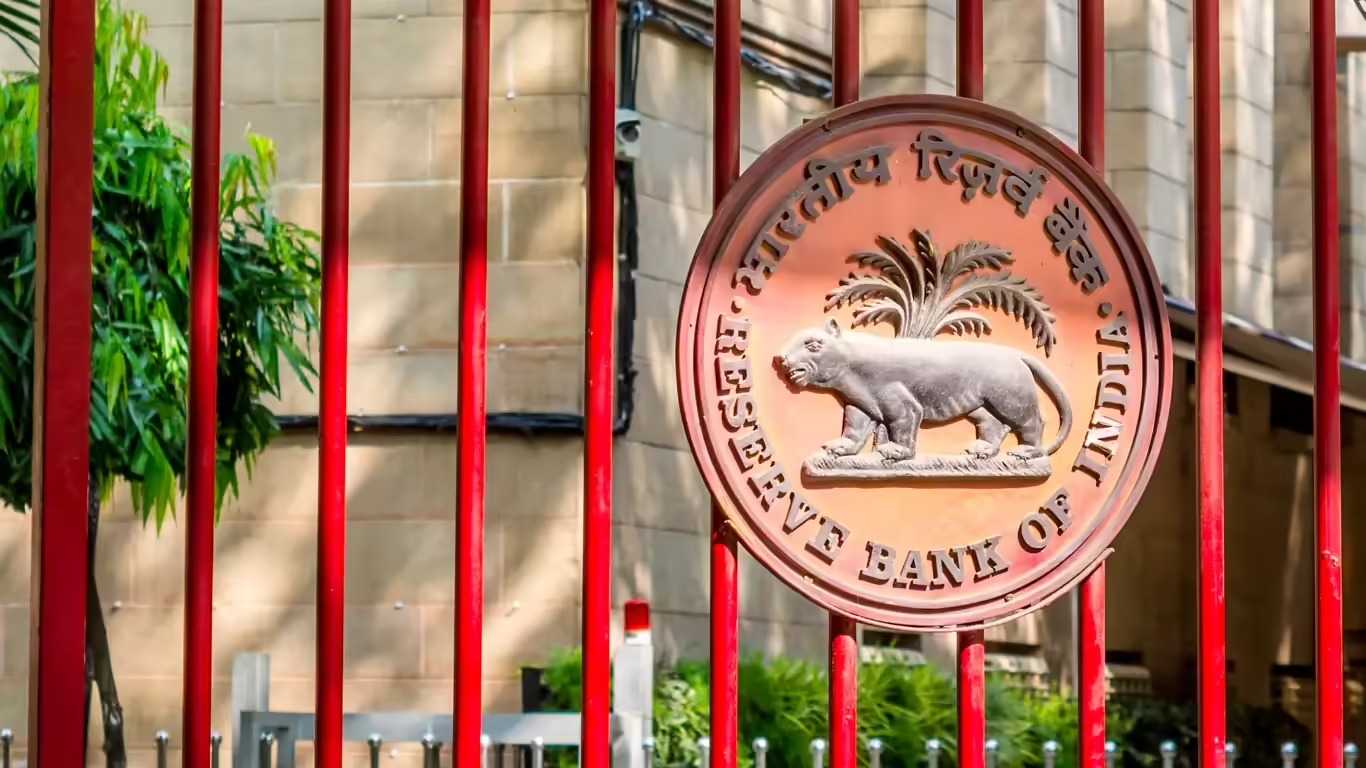
The Reserve Bank of India injected ₹694.13 billion into the banking system via an overnight Variable Rate Repo auction, fully absorbing incoming commercial bank bids against a notified ₹750 billion target. Settled at a 5.26% cut-off rate, the operation successfully stabilizes interbank liquidity amid quarter-end tax outflows.
MUMBAI — The Reserve Bank of India (RBI) successfully injected ₹694.13 billion into the domestic banking system through its overnight Variable Rate Repo (VRR) auction. Data released by the central bank on Tuesday, June 30, 2026, revealed that commercial lenders submitted matching bids worth ₹694.13 billion against a total notified auction target of ₹750 billion. The monetary operation, completed at a definitive weighted average cut-off rate of 5.26%, was deployed under the Liquidity Adjustment Facility (LAF) to proactively counter emerging short-term cash deficits across Mumbai's interbank lending desks.
Managing Interbank Deficits Amid Quarter-End Pressures
The sudden call for overnight funds stems primarily from seasonal institutional cycles. As June 2026 draws to a close, commercial banking entities face heavy concurrent corporate advance tax payouts, quarterly goods and services tax (GST) statutory compliance targets, and internal balance sheet reporting configurations. These routine capital movements temporarily drain liquid reserves from commercial ledger vaults, creating short-term imbalances inside secondary money markets.
By utilizing the overnight VRR window, the RBI successfully bridged the immediate operational gap without introducing systemic distortions. The fact that banks bid for ₹694.13 billion out of the notified ₹750 billion indicates that while short-term liquidity was tight, the structural deficit remained manageable and contained within predictable parameters.
Interest Rate Corridor and Monetary Policy Alignment
The uniform cut-off rate of 5.26% set during the short-term tender carries substantial strategic weight for financial analysts:
Policy Anchoring: The 5.26% yield floor aligns closely with the central bank’s broader monetary parameters, ensuring overnight interbank borrowing costs do not surge above the standard policy corridor.
Call Money Stabilization: Providing reliable access to central bank capital prevents wild intraday spikes in the Call Money Rate, allowing banks to settle their immediate clearing obligations smoothly.
Predictable Credit Pricing: Maintaining a stable short-term yield floor protects secondary markets from high-interest volatility, ensuring that wholesale commercial loan instruments remain accurately priced.
Official Sources Section
Liquidity adjustment operations, auction schedules, and banking system parameters are administered directly by the Reserve Bank of India (RBI). Live auction metrics, weighted average rates, and transaction settlements are tracked by The Clearing Corporation of India Limited (CCIL).
Quote Section
"According to officials tracking interbank clearing houses, the overnight VRR allotment has completely mitigated localized cash tightness driven by the regular June tax cycles," an institutional bond strategist stated in Mumbai. "The central bank’s willingness to offer up to ₹750 billion demonstrates a highly supportive approach to fine-tuning liquidity, giving treasury desks the clear financial visibility required to close their books without friction."
Why It Matters
For everyday consumers and business enterprises, a well-balanced banking ecosystem prevents unexpected disruptions in retail credit lines. When commercial banks can access steady short-term liquidity from the central bank, they are not forced to dump their secondary holdings or inflate short-term deposit premiums to protect their reserves. This systemic stability helps maintain stable lending rates for retail vehicle, corporate capital, and home loan products across the country.
Key Facts at a Glance
Total Funds Allotted: Exactly ₹694.13 billion was infused into commercial bank accounts.
Notified Target: The maximum auction threshold was capped by the central bank at ₹750 billion.
Unified Cut-off Pricing: Bids were settled at a uniform weighted average rate of 5.26%.
Operational Catalyst: Heavy institutional outflows related to corporate advance tax and quarter-end compliance requirements triggered the allocation.
FAQ Section
What is a Variable Rate Repo (VRR) auction?
A Variable Rate Repo auction is a key financial mechanism used by the RBI to inject short-term liquidity into the banking system. Commercial banks borrow cash from the central bank by pledging government securities as collateral, with the interest rate determined through competitive bidding.
Why did banks bid for less than the notified ₹750 billion?
The final bid total of ₹694.13 billion indicates that while banks required immediate short-term funding to meet their quarter-end tax obligations, the actual liquidity crunch was less severe than the central bank's maximum safety threshold.
How does a 5.26% cut-off rate impact corporate borrowers?
A stable cut-off rate of 5.26% keeps short-term market rates closely aligned with the RBI's policy target. This prevents spikes in short-term borrowing costs, allowing corporate entities to secure working capital loans without facing penalizing interest premiums.
Source: Reserve Bank of India Press Release Desk, The Clearing Corporation of India Limited Data Portal.