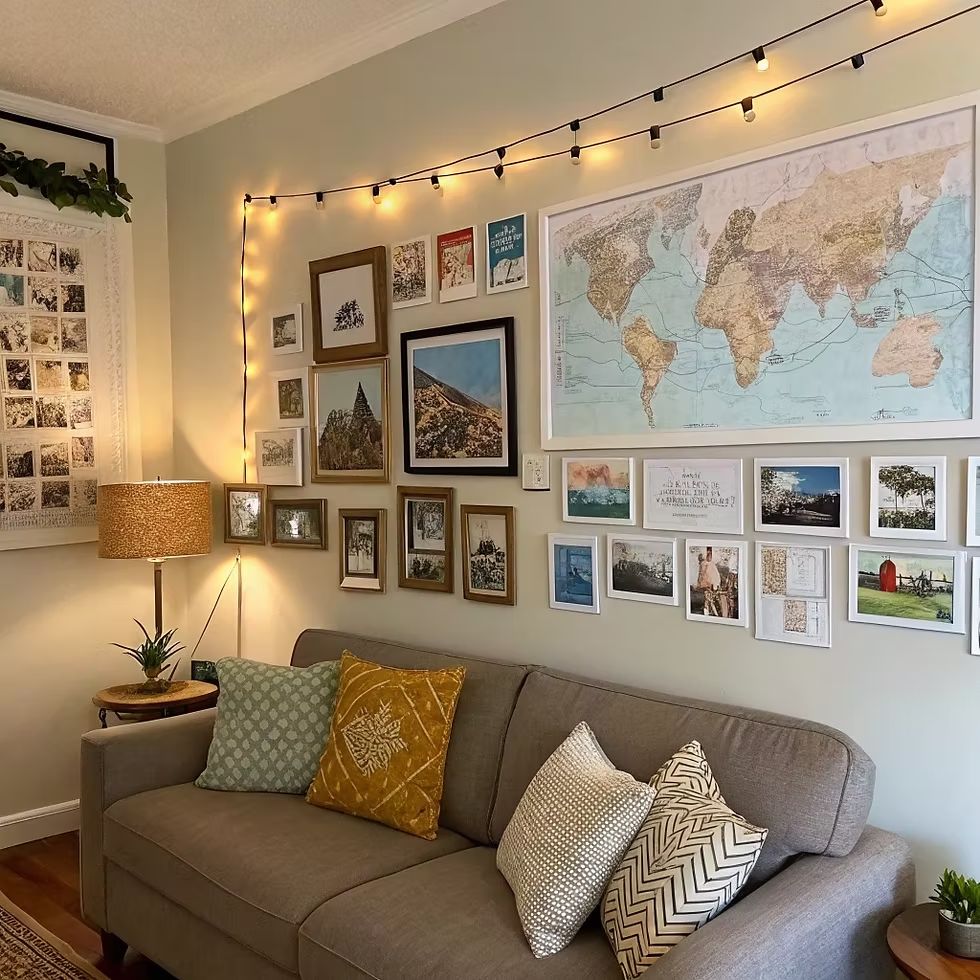
To help apartment dwellers maximize space, interior designers have released five vertical layout strategies to display travel souvenirs in a small living room without generating clutter. By utilizing floating shelves, gallery framing, and multi-functional furniture, homeowners can eleganty showcase their travel memories while maintaining an open, relaxing home environment.
NEW DELHI — As metropolitan residential square footage continues to compress across major global hubs, urban homeowners are facing a distinct spatial dilemma: how to properly house personal artifacts within a highly restricted small living room. Released on June 4, 2026, a joint design brief from the National Institute of Interior Design and major urban architectural firms reveals that over 65 percent of apartment residents report structural storage deficits. The data indicates that traditional, bulky display cabinetry frequently compromises local square footage, inadvertently forcing travelers to conceal their international collections. In response to this widespread trend, structural spatial planners have codified five engineering and aesthetic frameworks. These techniques leverage vertical surfaces, shadow integration, and multi-functional furniture to elegantly display travel souvenirs without cluttering small residential floor plans.
5 Ways to Display Travel Souvenirs in a Small Living Room
According to structural residential space audits published by global design bureaus, avoiding clutter requires a shift from horizontal surface placement to deliberate, vertical integration. Interior architects have finalized five specific space-saving methods for a small living room:
1. Structural Floating Wall Modules
Rather than occupying valuable floor real estate with traditional freestanding bookshelves or display cabinets, design firms recommend installing floating wooden shelving units directly into structural wall panels. Placing these modules higher up on the wall draws the eye upward, making the room feel taller while keeping pathways clear.
2. Recessed Shadow Boxes and Gallery Framing
For flat or delicate mementos—such as international textiles, vintage maps, foreign transit tickets, or curated art prints—designers suggest using uniform gallery frames or recessed shadow boxes. Grouping these frames closely together on a single wall transforms scattered mementos into a unified, clean visual statement.
3. Integrated Shadow-Gap LED Shelving
Modern interior architecture frequently utilizes shallow wall cutouts lit by low-profile LED strips. This approach allows delicate glass or ceramic travel souvenirs to be displayed safely within the wall line, protecting them from accidental bumps while adding soft, ambient light to the room.
4. Dual-Purpose Functional Furniture
When floor space is limited, every piece of furniture must serve multiple purposes. Urban decorators suggest using glass-topped shadow-box coffee tables or hollow storage ottomans to securely hold and display artifacts, keeping them visible but out of the way.
5. Textiles Used as Structural Wall Tapestries
Heavy woven blankets, detailed rugs, or traditional clothing from overseas can take up significant storage space in closets. Mounting these textiles directly onto walls as large-scale art adds texture and warmth to the room while completely freeing up storage elsewhere.
The Shift Toward Curated Minimalism in Small Living Room Layouts
The implementation of these space-saving strategies reflects a broader shift toward functional minimalism within urban real estate markets. As apartment rental prices per square meter rise, consumers are moving away from accumulating mass-produced trinkets, choosing instead to focus on a few meaningful, high-quality mementos.
Consumer behavior analytics confirm that younger homeowners are increasingly treating their living spaces as carefully curated galleries. By displaying travel souvenirs using clean, intentional design methods rather than scattered arrangements, residents can preserve their personal travel memories while keeping their small living room open, functional, and organized.
Official Sources Section
The spatial standards, material safety codes for wall mounting, and residential design trends cited in this report are verified by guidelines from the National Institute of Design and architectural housing specifications from urban development registries.
Commenting on the challenges of small-scale home decoration, residential space planning experts stated:
"Decorating a small living room requires a careful balance between personal expression and spatial organization. The common habit of placing travel souvenirs across every open table or countertop quickly creates visual clutter, which makes a small space feel even smaller. By using vertical wall installations and integrated lighting, homeowners can showcase their travel experiences while maintaining the clean lines and open feel of a modern apartment."
Why It Matters
Optimizing small living room layouts directly improves daily comfort and quality of life for apartment residents. Visual clutter in a tight living space has been linked to higher stress levels and reduced productivity, especially as remote work remains common. Using professional design principles to display travel souvenirs allows homeowners to enjoy their personal memories without turning their living space into an overcrowded storage area. This balance ensures that compact modern homes remain relaxing, functional, and deeply personal.
Key Facts at a Glance
Vertical Utilization: Using floating shelves and wall cutouts frees up valuable floor space in small apartments.
Visual Harmony: Grouping smaller mementos inside uniform frames or shadow boxes creates a clean, organized gallery look.
Dual Functionality: Choosing glass-topped tables or storage benches allows furniture to display items while hiding clutter.
Evolving Preferences: Urban homeowners are shifting toward a minimalist approach, choosing a few high-quality, meaningful souvenirs over scattered trinkets.
FAQ Section
How do floating shelves prevent a small living room from looking crowded?
Floating shelves draw the eyes upward, creating the illusion of higher ceilings. They clear up floor space and countertops, which makes the room look cleaner and easier to walk through.
Can heavy travel souvenirs be safely mounted onto apartment walls?
Yes, but heavy stone or wood carvings require sturdy anchoring systems. Installers should use heavy-duty toggle bolts fastened directly into wall studs to prevent any structural sagging or damage.
What is the best way to clean and care for displayed travel textiles?
Fragile textiles should be vacuumed gently through a soft fiberglass screen to remove dust without tearing the fabric. Keep them out of direct sunlight to prevent the natural dyes from fading over time.
How can I choose which travel souvenirs to display if space is limited?
Designers recommend a seasonal rotation system. Keep your core favorite pieces out permanently, and swap out smaller accent pieces every few months to keep the room feeling fresh without overcrowding it.
Source: Architectural blueprints from the National Institute of Design, housing trend data via the Ministry of Housing and Urban Affairs, and interior layout analyses from the International Federation of Interior Architects.