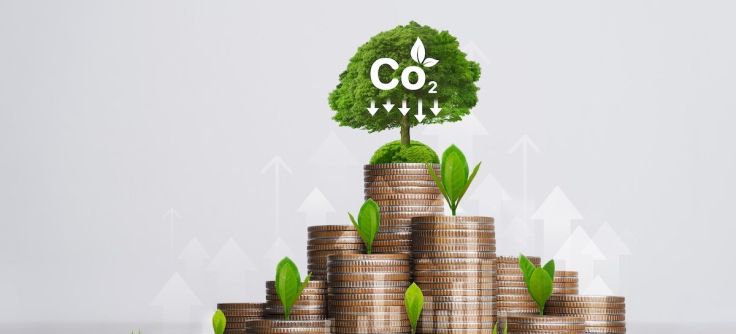
The transition to eco-friendly living faces an economic barrier known as the green premium, which inflates the price of sustainable goods by 20% to 70%. To make environmental responsibility affordable for all households, economists and policymakers are calling for scaled manufacturing infrastructure and targeted public subsidies.
MUMBAI — A growing segment of retail consumers attempting to transition toward eco-friendly living are confronting significant financial friction due to the high cost of environmentally conscious goods. Published on June 3, 2026, a market analysis tracking retail consumption patterns revealed that items branded as sustainable, organic, or zero-waste consistently carry a premium price tag of 20% to 70% more than their conventional counterparts. While public awareness regarding climate change and resource depletion has reached historic highs, economists warn that environmental responsibility is inadvertently transforming into an exclusive lifestyle tier. This widening affordability gap is forcing households to weigh their ecological values against concrete pocketbook limitations, creating a major bottleneck for global green transition targets.
Deconstructing the Mechanics of the Green Premium
According to a retail price index published by the Deccan Chronicle, the financial disparity between sustainable products and mass-produced goods remains vast. In local urban boutiques, a pack of two biodegradable bamboo toothbrushes is priced between ₹150 and ₹350, compared to a standard plastic toothbrush that costs between ₹20 and ₹60. Similarly, organic cabbage sourced from certified regional farmer's markets costs between ₹100 and ₹160 per kilogram, while conventional options at nearby wholesale stalls retail for ₹20 to ₹40.
Economists use the term "green premium" to describe the extra cost consumers pay for products designed to reduce environmental damage. For manufacturing brands, these elevated retail prices are driven by complex structural factors. Sustainable raw materials are harder to source, ethical labor frameworks require higher compensation, and eco-certified factories usually operate at lower production volumes, preventing them from achieving the massive economies of scale enjoyed by traditional industrial giants.
Hidden Costs and the Upfront Investment Dilemma
A primary reason conventional products appear significantly cheaper is that their retail prices do not account for long-term environmental degradation. Traditional petroleum-derived plastics and fast-fashion garments are affordable at the point of sale because the societal costs of pollution, landfill management, and carbon emissions are spread across the public rather than included in the product's price tag. Sustainable alternatives attempt to internalize these hidden ecological costs from the start.
This structural difference creates a clear financial hurdle for low- and middle-income families. While certain eco-friendly investments—such as rooftop solar installations or Electric Vehicles (EVs)—promise substantial long-term utility savings, they require a large upfront cash investment. During periods of broader macroeconomic inflation, prioritizing future ecological savings over immediate household expenses becomes financially unrealistic for many consumers.
Corporate and Policy Interventions to Close the Affordability Gap
Recognizing that sustainability cannot remain a niche privilege for affluent demographics, both corporations and state regulators are actively seeking intervention strategies. In the manufacturing sector, prominent export-facing firms are utilizing new state initiatives like India's recently announced TEX-ECO sustainability roadmap under the national budget framework to modernize factories and lower the costs of green textile manufacturing.
Why It Matters
Lowering the green premium is essential for achieving broad, society-wide climate adaptation. When eco-friendly choices remain restricted to high-income earners, overall carbon reduction targets fall short, and lower-income communities continue to bear the brunt of local pollution and waste accumulation. By implementing smart manufacturing regulations and expanding green production infrastructure, society can ensure that sustainable living becomes a practical, affordable reality for all consumers, rather than a luxury status symbol.
Key Facts at a Glance
The Affordability Barrier: Environmentally friendly consumer options routinely cost 20% to 70% more than traditional mass-produced items.
Sourcing Bottlenecks: Higher retail prices are driven by expensive organic raw materials, ethical labor rules, and lower initial production volumes.
The Pricing Paradox: Conventional products appear cheaper because their long-term costs to public health and landfills are excluded from the retail price tag.
The Path to Scale: Regulatory roadmaps like the TEX-ECO initiative aim to lower eco-manufacturing costs by funding scaled, clean industrial parks.
FAQ Section
What exactly is a green premium?
A green premium is the additional cost a consumer pays to buy an eco-friendly product or service instead of a cheaper, conventional alternative that relies on fossil fuels or non-biodegradable plastics.
Why do organic vegetables cost so much more than standard produce?
Organic farming bans the use of synthetic chemical fertilizers and pesticides. This requires more manual labor, specialized weed management, and certified organic seeds, which increases production costs per acre.
Will the cost of sustainable products eventually come down?
Yes. As consumer demand grows, more companies are investing in larger production facilities. This expansion creates economies of scale that gradually reduce manufacturing costs, similar to the historical price drops seen in LED bulbs and solar panels.
How can a household practice sustainability on a tight budget?
Consumers can practice low-cost sustainability by prioritizing waste reduction habits, such as reducing single-use plastic consumption, repairing existing goods, buying second-hand items, and conserving household energy and water.
Source: Macroeconomic retail reporting from the Deccan Chronicle, sustainable manufacturing guidelines from the Ministry of Environment, Forest and Climate Change, and industrial textile fiscal analyses via the Ministry of Finance.