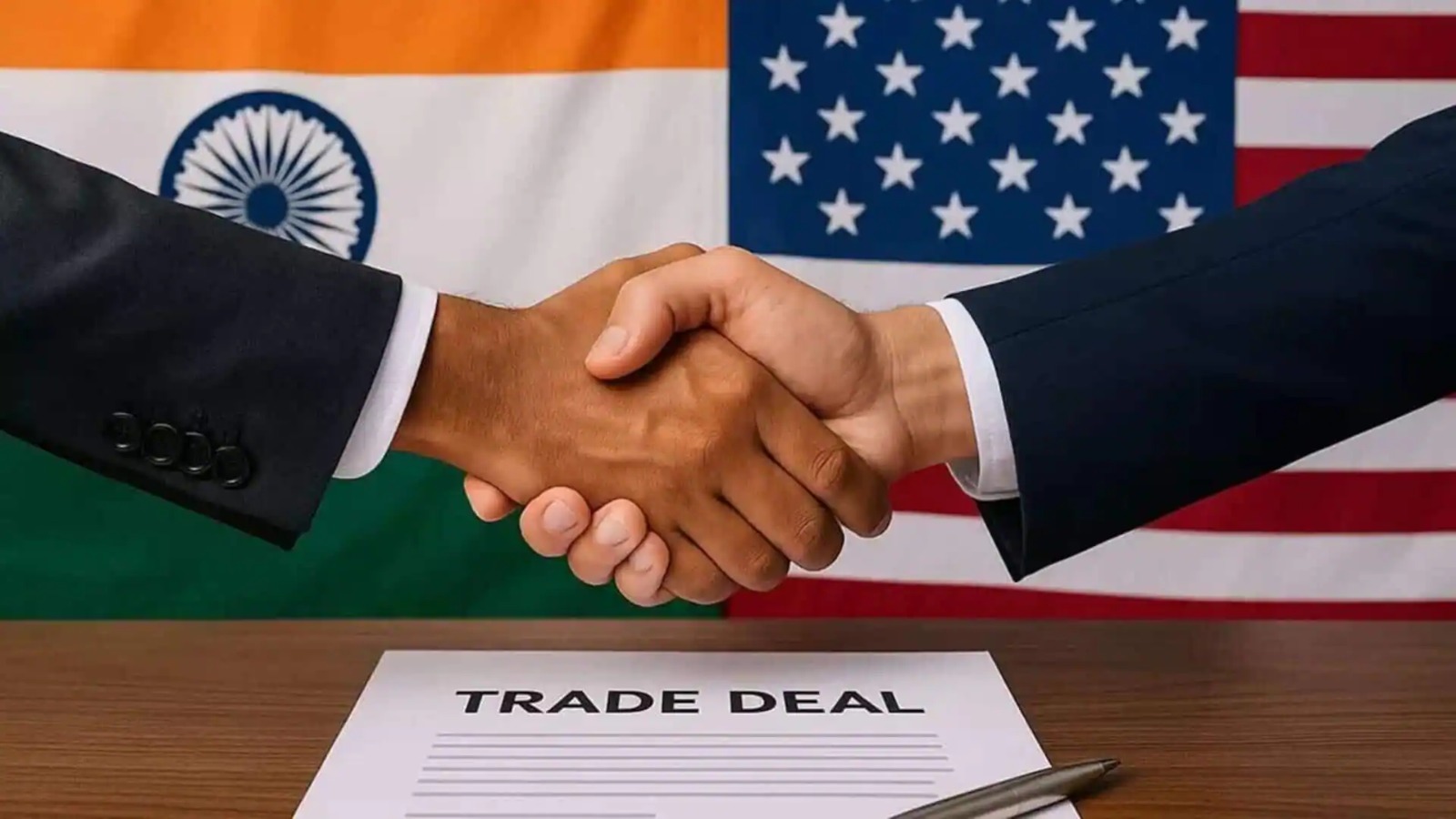
U.S. Ambassador Sergio Gor announced that the India-U.S. trade deal is nearing finalisation after necessary technical reconfigurations following a U.S. Supreme Court ruling. With bilateral trade at $240 billion and an ambitious $500 billion target ahead, the pact remains a core priority for upcoming G20 discussions.
New Delhi — Speaking on bilateral economic relations, U.S. Ambassador to India Sergio Gor confirmed that negotiations for the comprehensive India-U.S. trade agreement are in their concluding phases and could be finalized within the next few months. The diplomatic update highlights strategic priorities ahead of the upcoming G20 leaders' summit, where Indian Prime Minister Narendra Modi remains at the very top of U.S. President Donald Trump's meeting itinerary. While a previous text had faced procedural adjustments following a U.S. Supreme Court ruling, both administrations have actively reconfigured the legal language to keep bilateral economic expansion on track.
Technical Reworking and Trade Projections
According to official statements and diplomatic briefings provided by U.S. Embassy, New Delhi, bilateral commerce currently hovers around $240 billion, with both governments aiming to scale the figure to $500 billion.
Agreement Adjustments: Legal and technical provisions of the pact underwent necessary rewriting following a prior U.S. Supreme Court ruling that impacted foundational administrative sections.
Timeline Outlook: Ambassador Gor expressed full confidence that active diplomatic channels will successfully bridge remaining gaps in the upcoming months.
Bilateral Momentum: Current trade volume places the partnership well ahead of comparable international trade frameworks, such as longstanding European Union negotiations.
The active engagement underscores an ongoing commitment from both nations to secure predictable market access and deepen economic interdependency across technology, defense, and manufacturing sectors.
Strategic Context and G20 Priorities
The diplomatic push coincides with preparations for the upcoming G20 summit, where high-level bilateral talks between President Trump and Prime Minister Modi are expected to anchor Washington's foreign policy agenda in South Asia. In addition to commercial pacts, defense and technology collaborations—ranging from joint aerospace manufacturing to artificial intelligence partnerships—continue to expand under the framework of the Quad alliance.
Impact on Investors, Businesses, and Markets
For commercial enterprises and institutional investors, concluding the trade pact will provide vital regulatory certainty, lowering barriers across cross-border supply chains. Greater market access stands to benefit technology firms, pharmaceutical exporters, and industrial manufacturers operating in both economies.
Official Sources Section
Information regarding the trade negotiations, diplomatic timelines, and bilateral economic targets is sourced from official briefings by the U.S. Embassy in India and statements released via the Ministry of External Affairs (India).
Quote Section
"According to officials," the trade agreement is being actively reworked following legal adjustments, and both nations remain fully confident of bringing the historic pact across the finish line in the coming months.
Why It Matters
Finalizing a major bilateral trade agreement between two of the world's largest economies establishes robust legal certainty for commercial operators and boosts supply chain resilience. Strengthening economic ties directly supports long-term growth and high-value job creation across both nations.
Key Facts at a Glance
Bilateral Volume: Current trade stands at approximately $240 billion.
Target Milestone: Leaders aim to expand bilateral trade to $500 billion.
Diplomatic Update: U.S. Ambassador Sergio Gor projects finalisation within the next few months.
Key Forum: High-level bilateral discussions prioritized ahead of the upcoming G20 leaders' summit.
Frequently Asked Questions
What is the current status of the India-U.S. trade agreement?
Negotiations are in their concluding phase after being reconfigured to address technical adjustments, with finalisation anticipated in the coming months.
What is the projected target for India-U.S. bilateral trade?
Prime Minister Modi and President Trump have established an ambitious target to scale bilateral trade to $500 billion.
Why did the trade negotiations experience delays?
Drafting parameters required technical rewriting following a prior U.S. Supreme Court ruling affecting specific statutory provisions.
Where can official updates on diplomatic and trade relations be tracked?
Updates are published regularly through the U.S. Embassy in India and the Ministry of External Affairs (India).
Source: U.S. Embassy in India, Ministry of External Affairs (India)